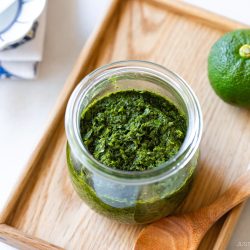
Yuzu Kosho
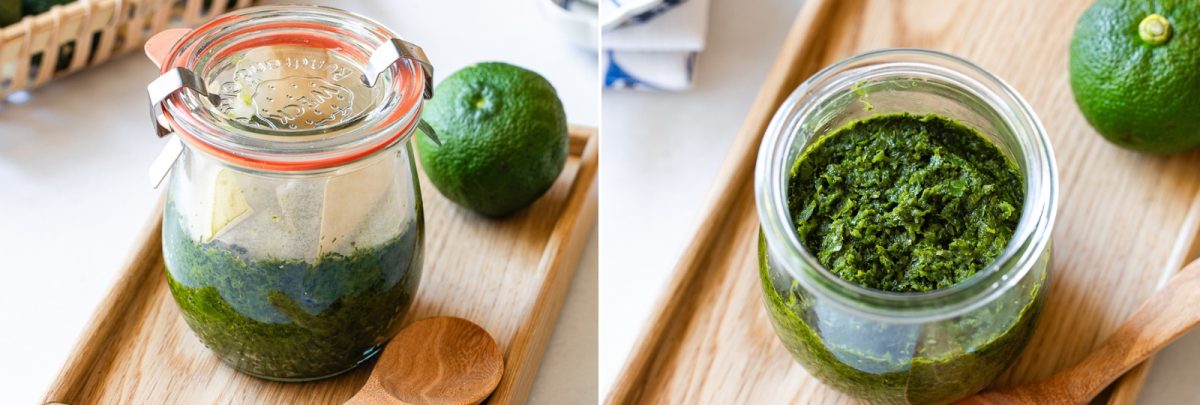
Yuzu Kosho is a fermented Japanese condiment made from green yuzu zest, green chilis, and salt—spicy, salty, and citrusy in one bite, and far more vibrant than anything store-bought. A small dab adds punch to soups, grilled meats, dressings, or rice. The final photos show a double portion (100 g).
Ingredients
Servings: small jar of (50g) yuzu kosho paste
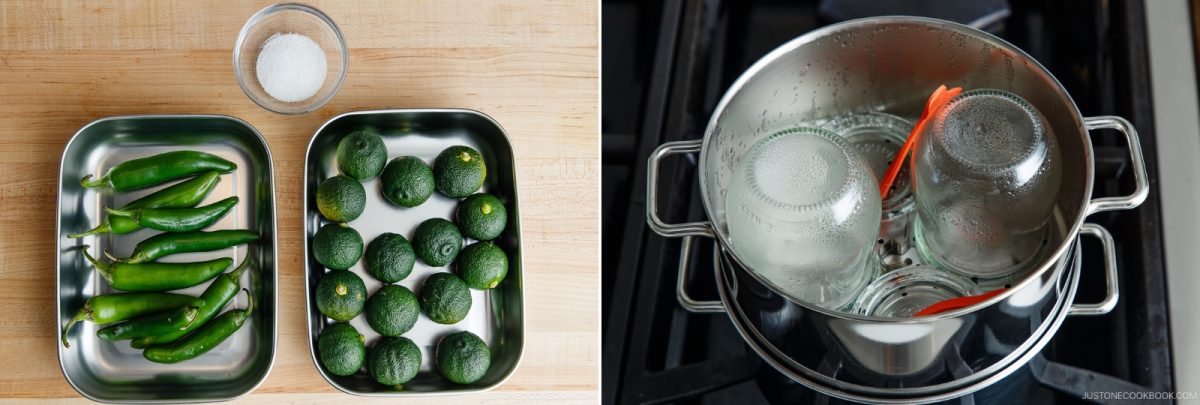
- 25 g green yuzu zest (~15 small fruits; washed and dried; optional yuzu juice to bind the paste)
- 25 g fresh green chilis (~3 serrano peppers—closest swap for ao togarashi; stemmed and seeded)
- 7.5–10 g Diamond Crystal kosher salt (15–20% of yuzu + chili weight; ~2⅔ tsp to 1 Tbsp)
Instructions
Before We Start
- Gather all the ingredients. Fruit sizes vary, so buy a little extra of each.To sterilize the jar, boil or steam a glass jar for 10 minutes, then air-dry upside down on a clean towel.Note: Green yuzu is usually the harder ingredient to source, so zest and weigh it first, then match that exact weight in chilis for a true 1:1 ratio.
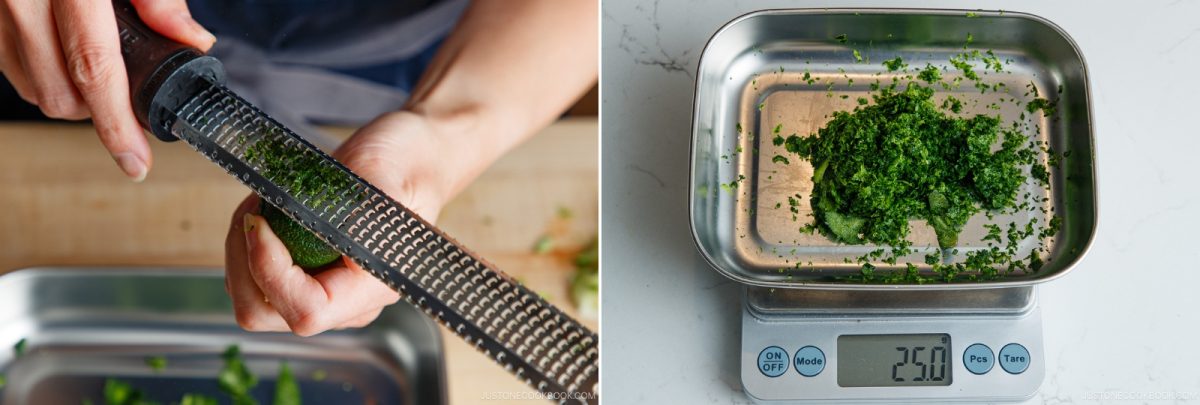
To Zest the Yuzu
- Microplane the peel. Avoid the bitter white pith. Weigh the zest on a digital scale—this is your base weight (e.g., 25 g).
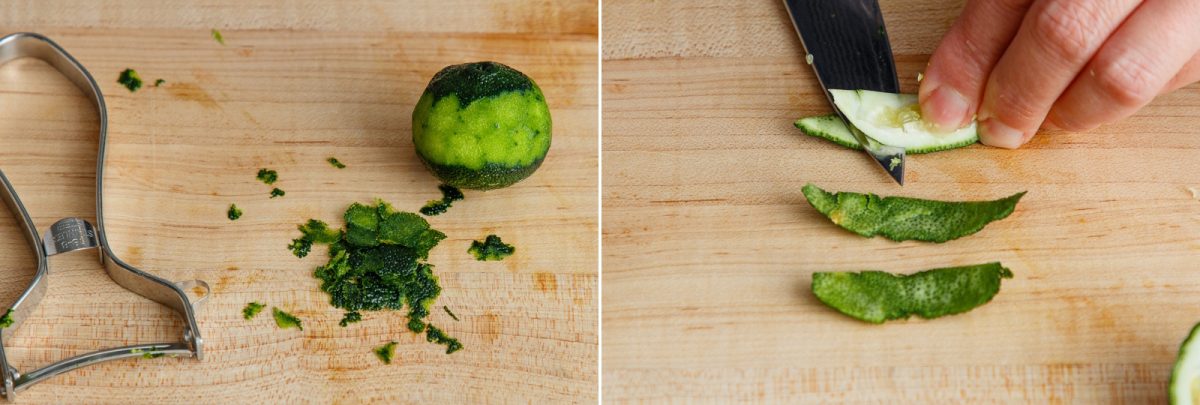
- (Optional method: Peel with a knife or vegetable peeler, then trim off the white pith.)
To Prep the Chilis
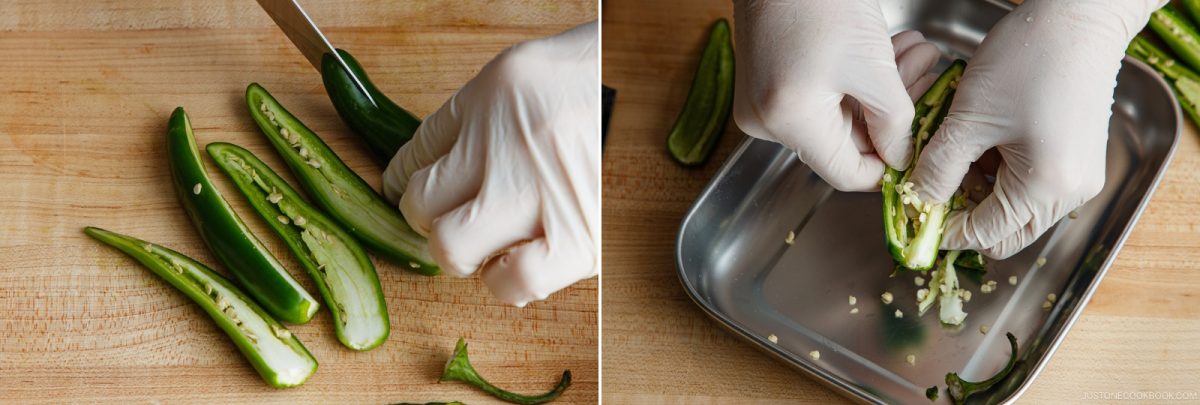
- Wear food-safe gloves. Trim the stem, halve chilis lengthwise, and scrape out the seeds.Nami’s Tip: Gloves prevent painful accidental burns. Capsaicin lingers on skin for hours and will cause a severe burn if you accidentally touch your eyes.
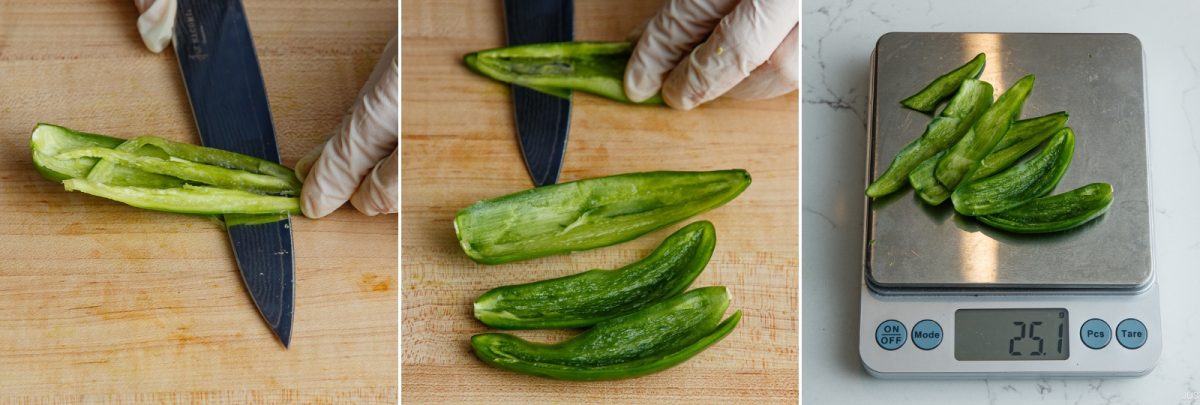
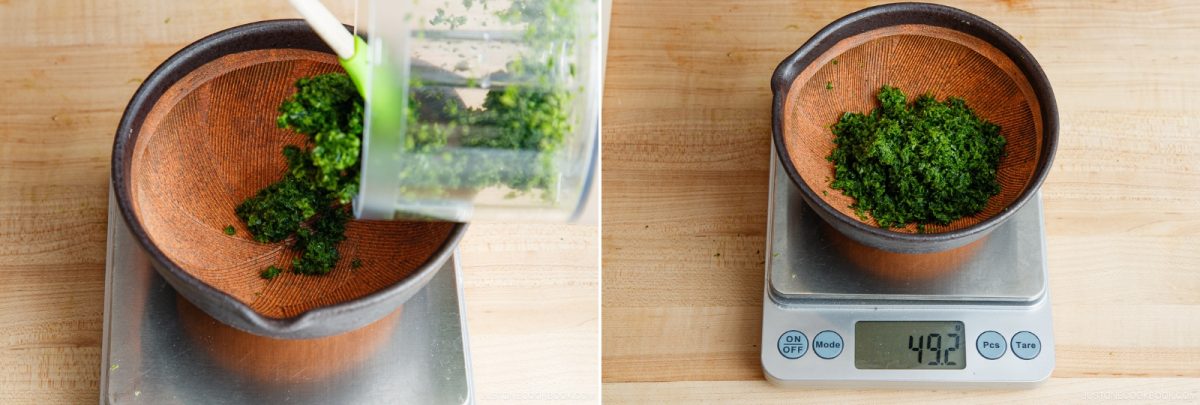
- Use a small paring knife to slice away any remaining white pith.Weigh the prepped chilis to match your yuzu zest weight exactly (e.g., 25 g)
To Grind to a Paste
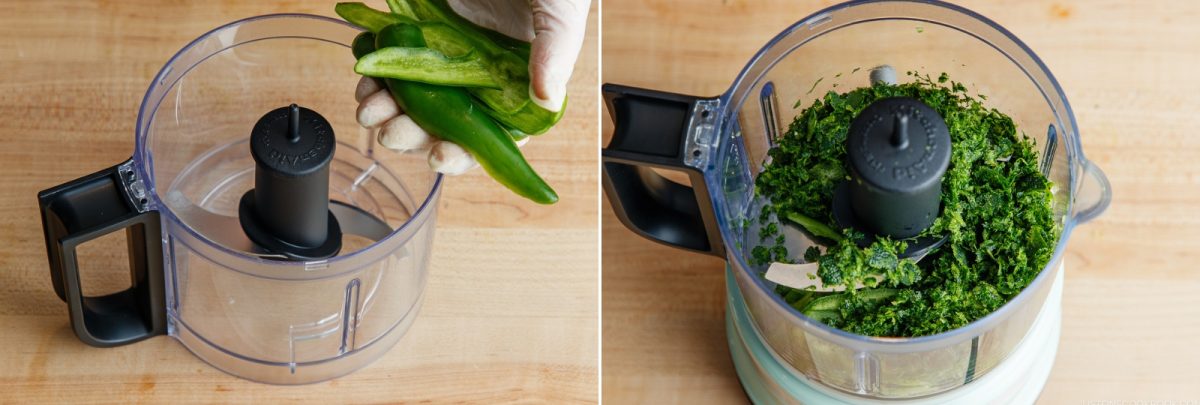
- Transfer the chilis and zest to a food processor.
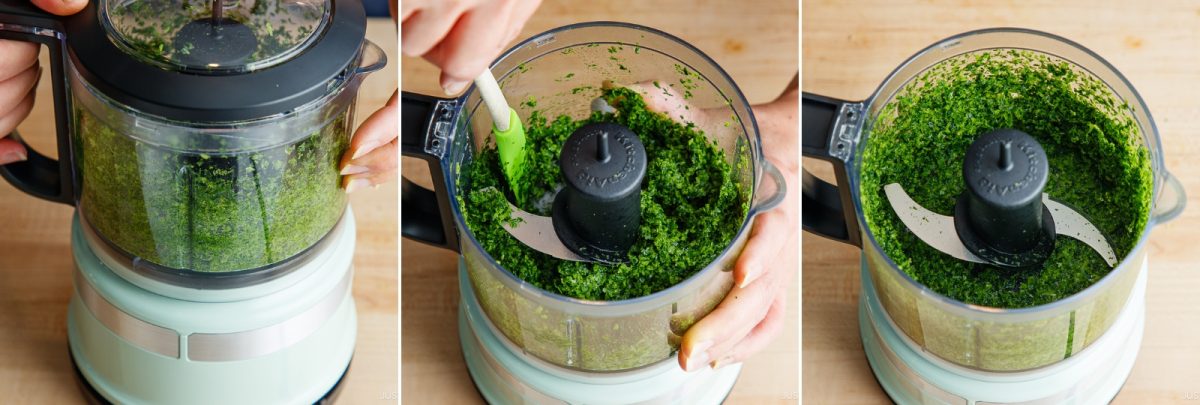
- Pulse, scraping down the sides as needed, until finely chopped.Nami’s Tip: For a smoother, traditional texture, finish by hand in a mortar and pestle—it releases even more citrus oils for an incredibly aromatic paste!
To Calculate and Add the Salt
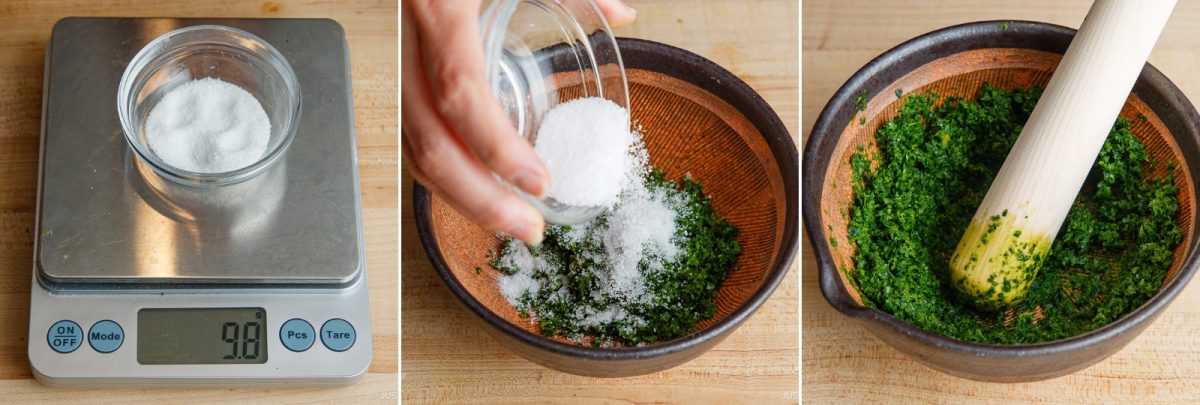
- Place a bowl or mortar on a digital scale. Transfer the paste and record the total weight. Calculate 15%–20% of the paste weight in salt (e.g., 7.5–10 g salt for 50 g paste).
- Weigh the calculated salt and mix in thoroughly (grinding with a mortar and pestle) until fully dissolved and hydrated.Nami’s Tip: Only add a small drizzle of fresh yuzu juice if the paste looks dry—the salt usually draws out plenty of moisture naturally.
To Jar It
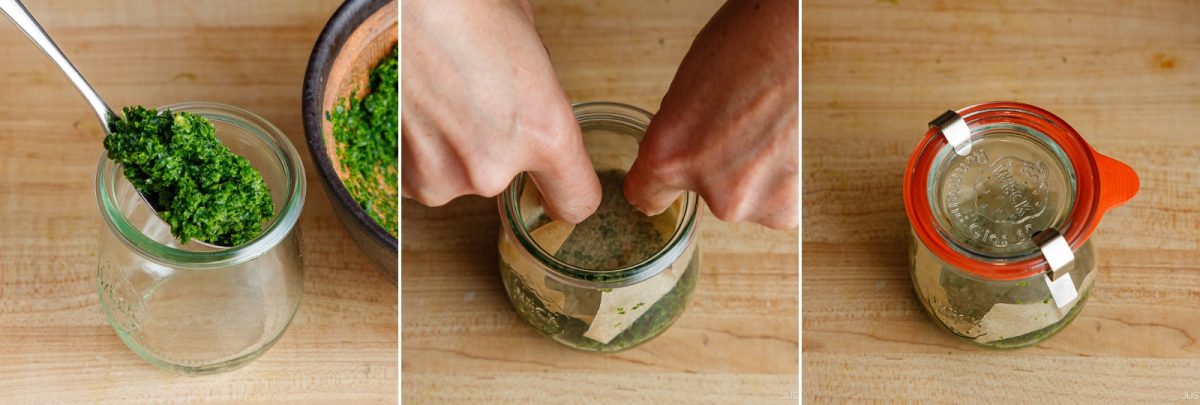
- Transfer paste into your sterilized glass jar, pressing out air pockets. Lay a small piece of parchment paper directly on top of the paste surface. Close the lid tightly to create an anaerobic environment.Nami’s Tip: Pressing out air pockets and sealing well prevents top oxidation, keeping the entire jar bright and fresh.
To Ferment and Age
- Rest at room temperature for 24 hours (if your kitchen is cool), then transfer to the refrigerator.Age in the fridge at least 7 days (2 weeks recommended) to mellow raw heat and develop a rounded flavor.
To Store
- Keep in the fridge for about 6 months. Freezes exceptionally well without turning solid—scoop straight from frozen whenever needed.
Notes
Ingredients & Substitutions
- Yuzu zest: Swap in lemon or lime zest.
- Green chilis: Serrano pepper is the closest match in flavor and heat to Japanese ao-togarashi. You can also use jalapeño, Thai chili, or habanero.
- Salt: Use pure kosher or additive-free sea salt. Do not go below 15% salt by weight to prevent spoilage during fermentation. Avoid iodized salt, which can hurt the ferment.
To Use Leftover Yuzu
Here are a few great ways to make use of the remaining fruit:- Yuzu ponzu: Juice the fruit and follow my Yuzu Ponzu recipe.
- Green yuzu syrup: Layer sliced fruit with sugar or honey until dissolved, then dilute with water.
- Yuzu ice cubes: Freeze strained juice in ice trays for dressings or Japanese Cucumber Salad.
How to Use (Quick Ideas)
See post above for full variation ideas!- Soups & Noodles: Stir a dab into miso soup, udon noodle soup, or simple pasta like aglio e olio.
- Rice & Proteins: Top onigiri, Hiyayakko (Japanese cold tofu), Yakitori, Yakiniku, Grilled Mackerel, or sashimi.
- Dips & Sauces: Whisk into mayo, cream cheese, or hot pot dipping sauces.
