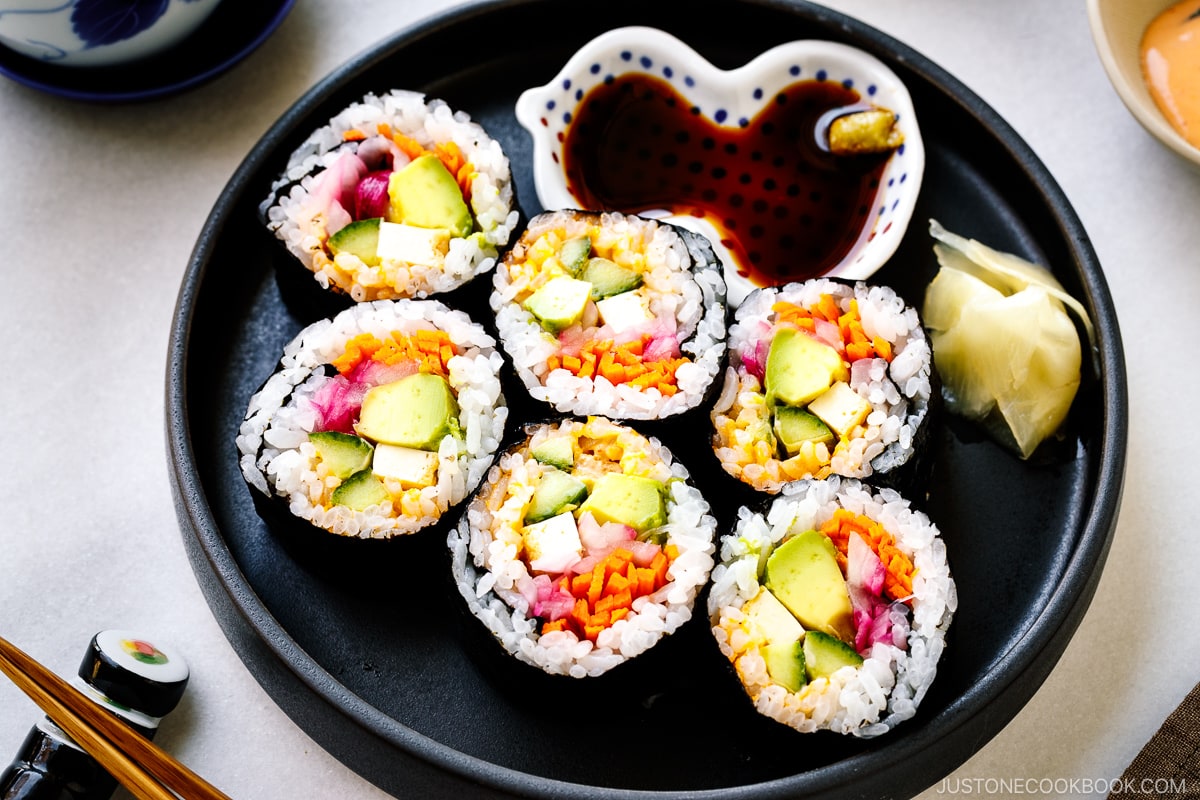
“Is brown rice good for sushi?” While brown rice works well in many dishes, it’s not the best choice for traditional sushi. Here’s why—and how you can still enjoy sushi as part of a balanced meal.
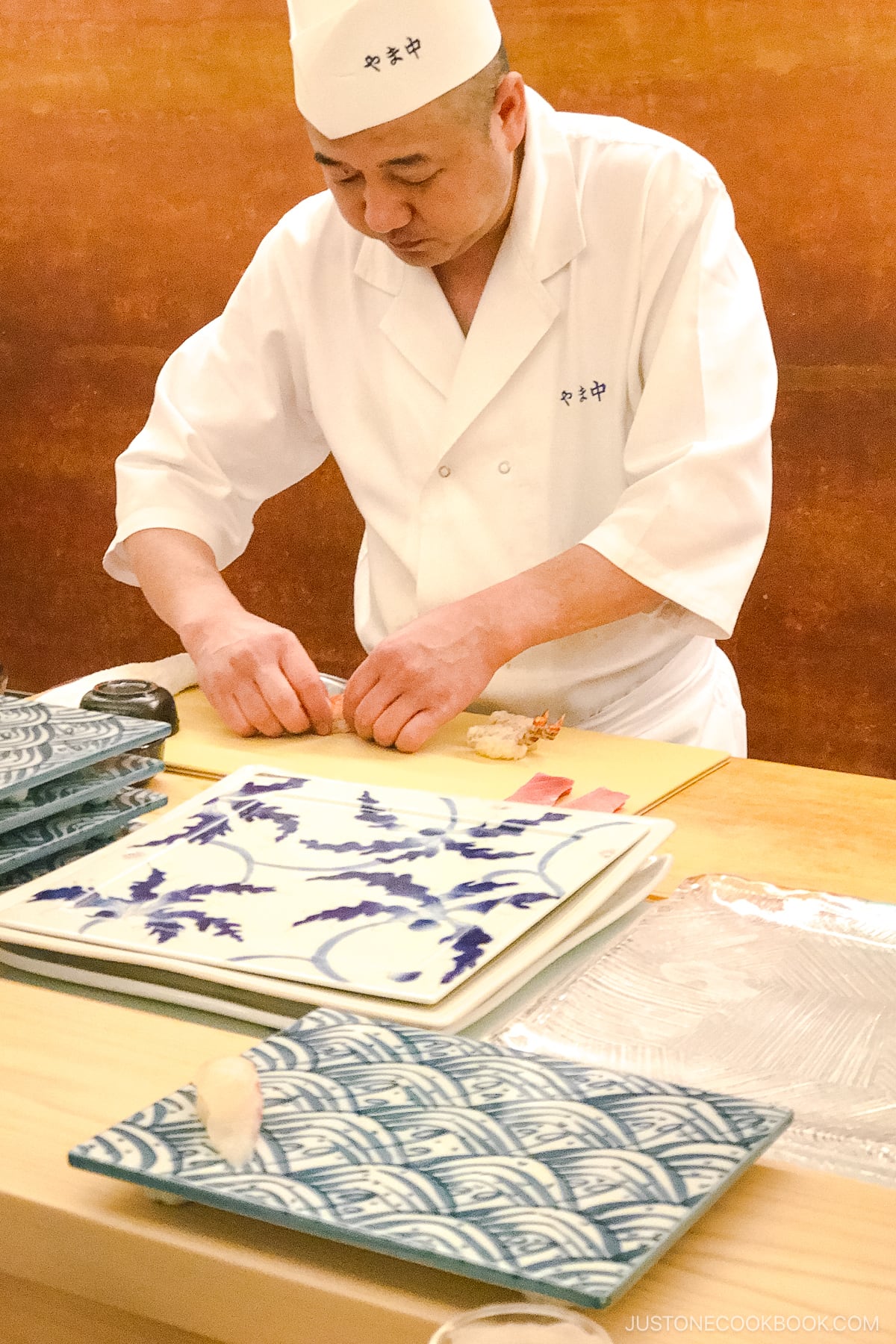
Hey there, sushi lovers! Today, I want to talk about a question that comes up from time to time—can you use brown rice for sushi?
It’s a fair question, and I understand the thinking behind it. Brown rice is often considered a healthier alternative to white rice. But when it comes to traditional sushi, I personally don’t recommend it—for a few important reasons.
Before we dive in, I want to clarify that for sushi rice in Japan, we use only Japanese short-grain white rice—not other types of white rice. If you’d like a step-by-step guide, here’s my tutorial on How to Make Sushi Rice.
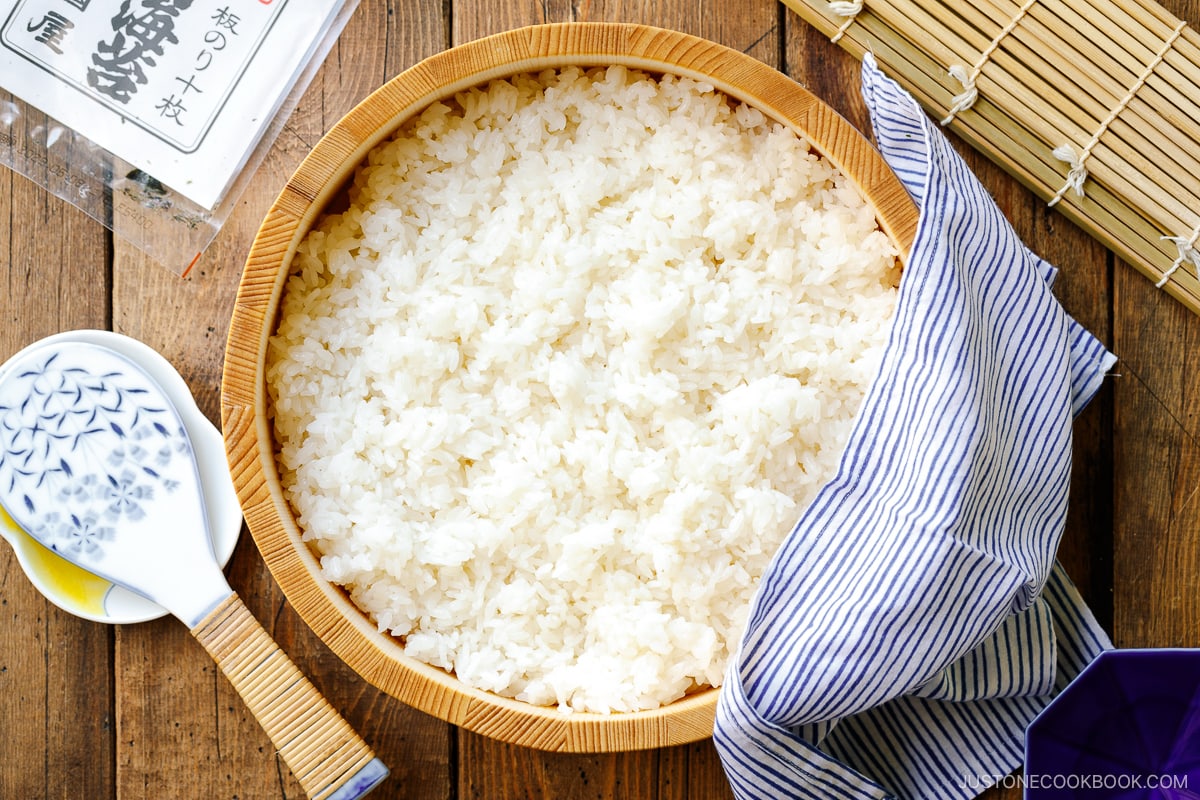
Texture Matters
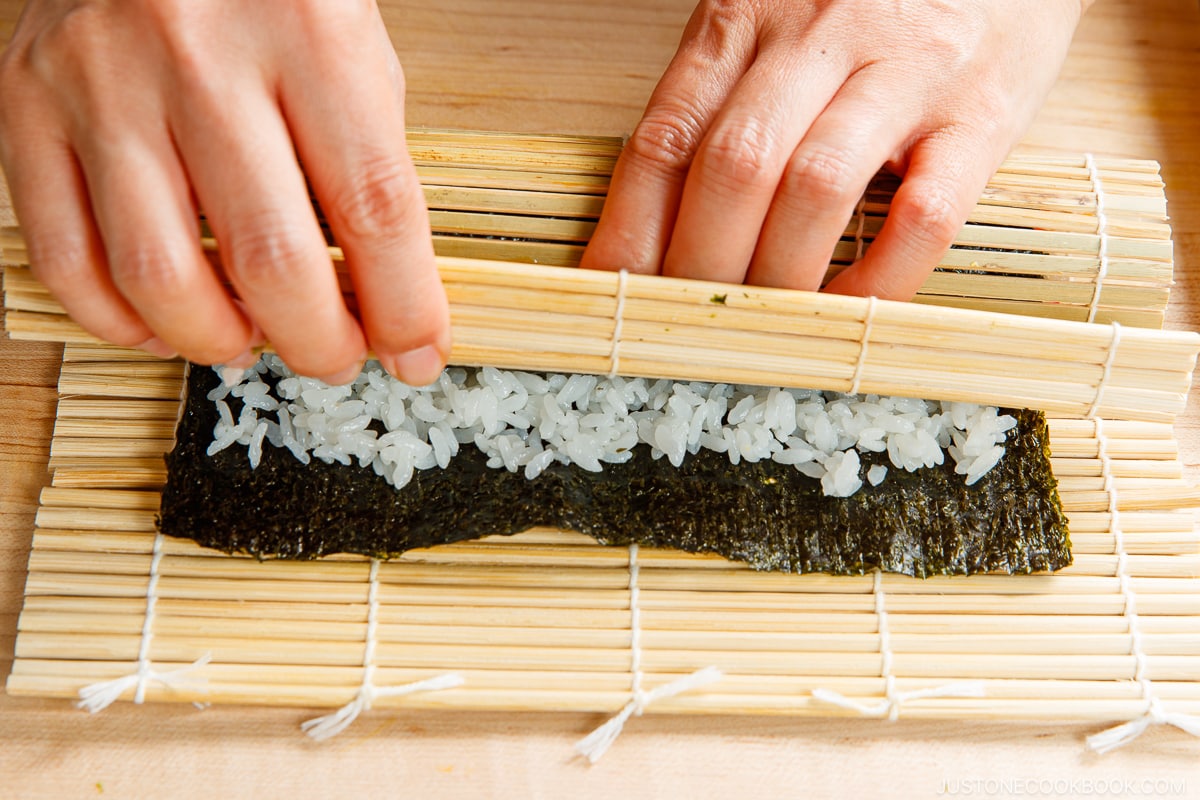
One of the most important elements of sushi is its texture. Traditional white rice provides the perfect balance of stickiness and firmness, helping the sushi hold its shape beautifully. Brown rice, on the other hand, is denser and can crumble more easily. Its higher fiber content also makes it less suitable for achieve classic sushi texture.
Flavor Harmony
In Japan, sushi chefs have perfected the art of sushi rice for centuries using Japanese short-grain white rice. Even with the wide variety of rice available today, that tradition hasn’t changed. Simply put, no other type of rice creates the same harmony in sushi.
White rice offers a neutral, slightly sweet flavor that lets fresh fish and other toppings shine. Brown rice, with its nutty and earthy taste, can compete with those delicate flavors and disrupt the balance that makes sushi so enjoyable.
Tradition and Authenticity
Eating sushi is a special treat—and even more, a cultural experience shaped by tradition. Traditional sushi reflects the care and craftsmanship of Japanese chefs and home cooks over generations. While creativity and innovation are part of how food evolves, we also value the importance of honoring and preserving the authenticity that gives sushi its meaning.
Nutritional Trade-Off
Brown rice contains more fiber and nutrients than white rice, so it’s a great choice for many dishes. However, when it comes to sushi—where you typically eat smaller portions—the added nutrition may not outweigh the changes in taste and texture. In the end, it’s all about balance.
So, why not enjoy authentic sushi made with white rice and serve it alongside miso soup, edamame, pickled ginger, and some wholesome sides as part of a balanced meal?
FAQs
How about brown sushi served in high-end sushi restaurants?
Some of you have the opportunity to dine at high-end sushi restaurants that serve sushi that look like they are made with brown rice.
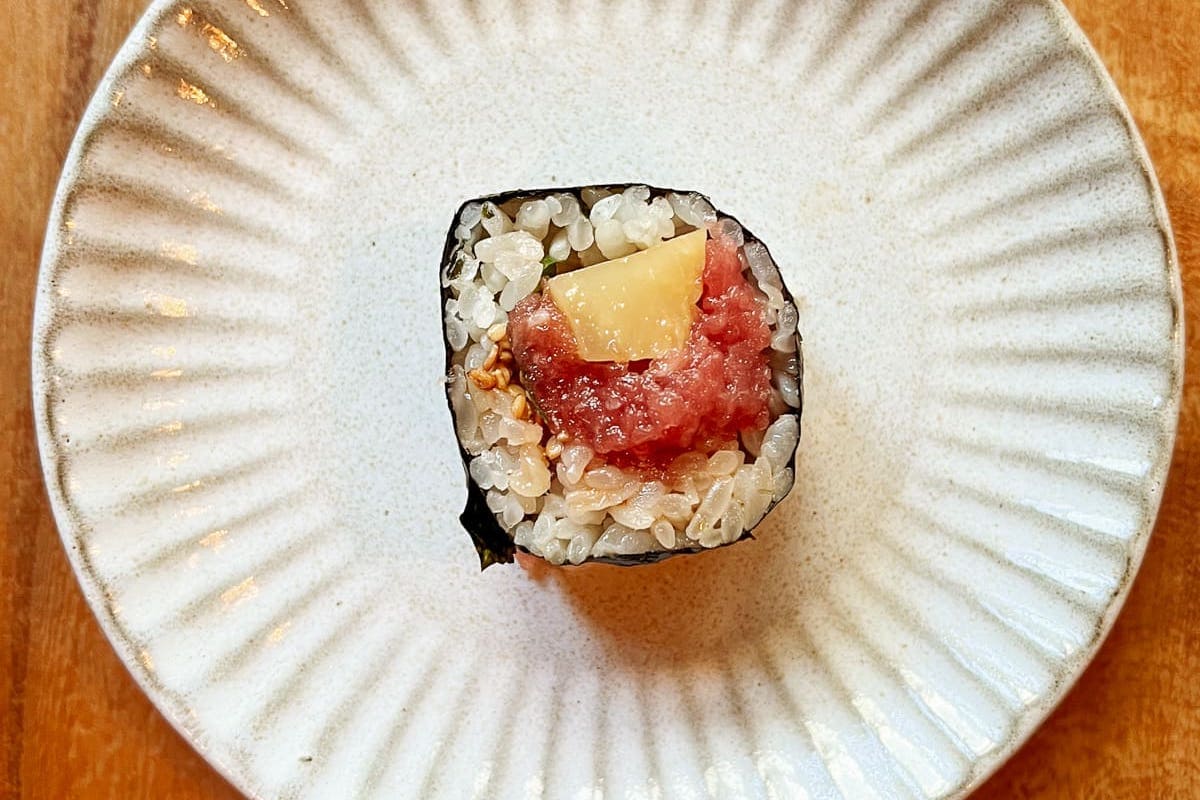
These are actually traditional Edomae sushi or akazu sushi and they are white rice seasoned with akazu red vinegar, hence the brownish color of the rice.
To learn more, read our article on Red Vinegar in Sushi Making.
Do Japanese people eat brown rice at all?
Japanese people do eat brown rice, just not in sushi. I personally cook brown rice for my family and serve it as a part of my typical Japanese meal called the ichiju sansai. We would have rice, soup, fish/protein, and a few other vegetable side dishes. Sometimes I serve brown rice in a rice bowl, like this.
Check out my tutorial on How to Cook Brown Rice in a Rice Cooker and in Instant Pot.
Final Thoughts
I’m all for making thoughtful, healthier choices, but I also believe some traditions are worth honoring. When it comes to sushi, I’ll continue to enjoy the classic version—savoring each bite for its authentic texture and delicate balance of flavors.
In Japanese home cooking, we think about balance as a whole meal, not just one ingredient. A piece of sushi made with white rice can absolutely fit into a nourishing, well-rounded meal—especially when served alongside miso soup, vegetables, and other wholesome dishes.
Of course, everyone’s tastes and preferences are different. If brown rice sushi works for you, that’s perfectly okay. The most important thing is enjoying your food in a way that feels right for you.