

This post may contain affiliate links. Please read my disclosure policy.
Japanese Corn Rice at a Glance
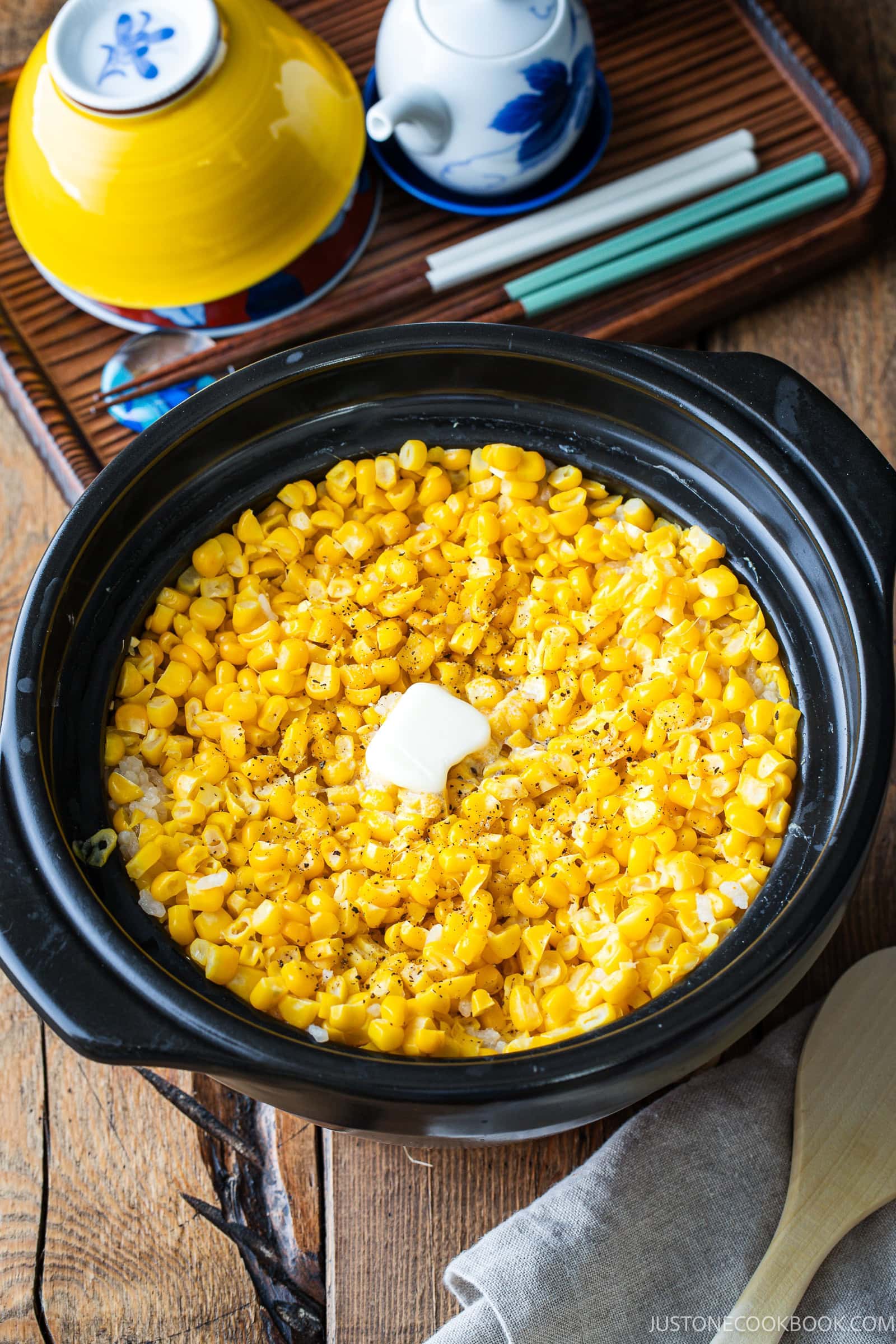
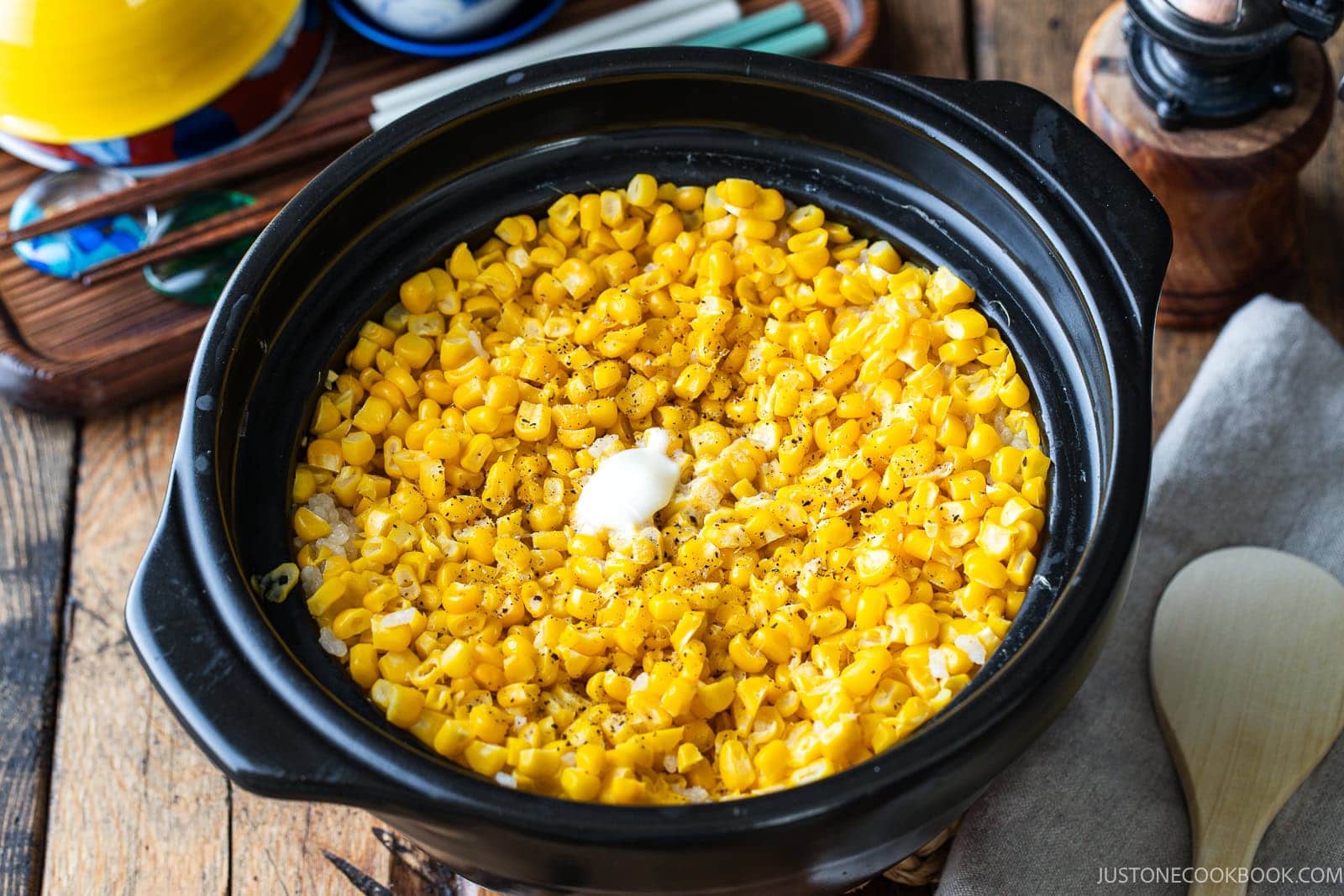
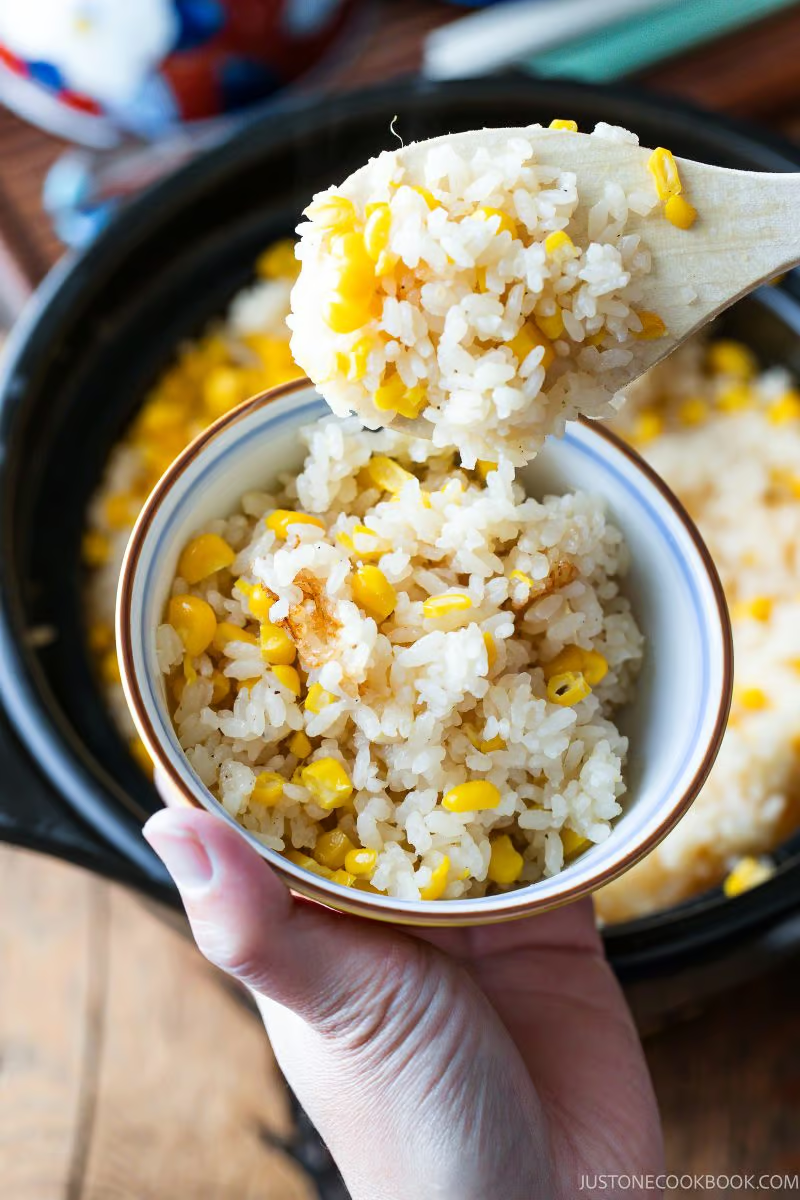
Japanese corn rice (とうもろこしご飯) is a summer mixed rice best made when fresh corn is at its sweetest. I cook the cobs along with the kernels to give the rice a gentle sweetness and savory depth that you just can’t get from canned corn.
Why You’ll Love It
- Pantry seasonings you already have – sake, soy sauce, and salt keep the flavor light, so you can really taste the sweet corn.
- Tested for any batch size – I tested the liquid for 1 to 5 rice cooker cups, so it comes out fluffy for two or for a crowd.
- No special equipment needed – You can make it with a rice cooker, heavy-bottomed pot, Instant Pot, or donabe.
What readers say
Ken
“I made this the other day with some of the last corn of the season and it was terrific! I used short-grain brown rice in my Instant Pot, and the nuttiness of the rice was a very nice complement to the corn flavor.”
My Recipe Story
Japanese corn rice is what I make when fresh corn shows up at the market. We tested it enough times that everyone in the house ended up with their own preferred level of butter shoyu. I like a tablespoon of soy sauce in the cooking liquid with a moderate amount of butter, while Mr. JOC and our son want theirs much stronger butter shoyu flavor. That’s why I also shared two other versions in the Variations section. Leftovers become onigiri in my house, packed into kids bento boxes next day.
If you love Japanese rice dishes, try my Takikomi Gohan, Chestnut Rice, and Onigiri next!
Key Ingredients
This recipe requires rice, fresh corn, and typical Japanese seasonings such as sake and soy sauce.
- Sweet corn on the cob – Choose fresh ears in the husk. Canned or frozen kernels won’t work the same because you need the fresh cobs to cook in the pot for flavor.
- Japanese short-grain white rice – Look for Japanese short-grain rice, such as Koshihikari. Korean rice is similar to Japanese kind. Medium-grain rice works, but the texture is slightly different. Do not use long-grain rice, jasmine, or sticky/glutinous rice.
- Sake – I recommend dry, drinking sake rather than cooking sake, which contains added salt. Avoid mirin, sweet rice wine, or flavored sakes.
- Soy sauce – Usukuchi (light-colored) soy sauce or tamari works as well, but avoid heavy dark soy sauce.
- Unsalted butter – Unsalted gives you control over the salt level. If you only have salted butter, reduce the salt in the recipe slightly.
Find the printable recipe with measurements below.
Jump to RecipeHow to Make Japanese Corn Rice
- Rinse the rice. Wash it until the water runs nearly clear, drain it well, and add it to a donabe rice cooker, rice cooker, Instant Pot, or heavy-bottomed pot.
- Prep the corn. Remove the husks and slice kernels off the cobs. Cut the cobs into smaller pieces that fit inside your pot.
- Layer and soak. Pour in the sake, soy sauce, and water, then stir in the salt. Scatter the kernels on top and lay the cob pieces over them. Let soak for 20–30 minutes before cooking.
- Cook and steam. Cook the rice according to your method, then remove from heat and let it steam undisturbed with the lid on for 15 minutes.
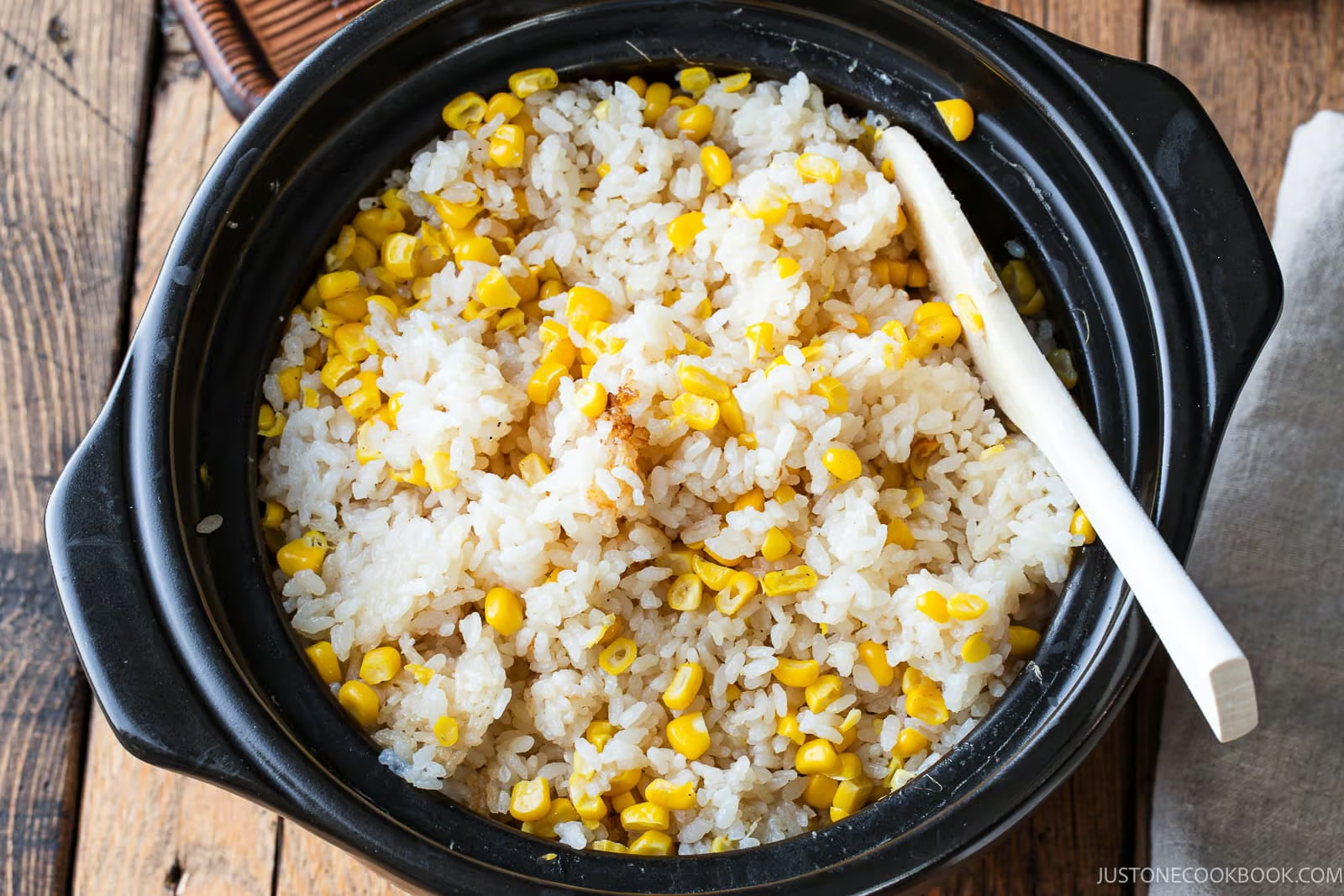
- Finish and serve. Lift out the cobs, top the rice with butter and black pepper, and cover with the lid briefly to melt. Fluff gently and serve.
How to Adjust the Amount of Rice
In Japanese cooking, rice is measured using a rice cooker cup (180 ml or ¾ US cup).
This recipe uses 3 rice cooker cups of short-grain rice (serves 5–6). Adjust the seasonings and water based on your batch size:
- 1 Rice Cooker Cup – Total liquid: 200 ml
- Add 2 tsp sake, 1 tsp soy sauce, and ¼ tsp salt.
- Top up with water to 200 ml
- 2 Rice Cooker Cups – Total liquid: 400 ml
- Add 4 tsp sake, 2 tsp soy sauce, and ¾ tsp salt.
- Top up with water to 400 ml
- 3 Rice Cooker Cups – Total liquid: 600 ml
- Add 2 Tbsp sake, 1 Tbsp soy sauce, and 1 tsp salt.
- Top up with water to 600 ml
- 4 Rice Cooker Cups – Total liquid: 800 ml
- Add 2 Tbsp + 2 tsp sake, 1 Tbsp + 1 tsp soy sauce, and 1¼ tsp salt.
- Top up with water to 800 ml
- 5 Rice Cooker Cups – Total liquid: 1000 ml
- Add 3 Tbsp + 1 tsp sake, 1 Tbsp + 2 tsp soy sauce, and 1¾ tsp salt.
- Top up with water to 1000 ml

Nami’s Recipe Tips
- Peak-season sweet corn makes all the difference – Fresh summer corn is naturally sweet and flavorful, so you don’t need any extra seasonings. If fresh ears aren’t in season, yellow or bi-color sweet corn gives the best flavor and vibrant color.
- Don’t throw away the cobs – The core of the cob holds rich corn juice and umami. Simmering the cobs right on top of the rice infuses the entire pot with a deep, natural corn aroma.
- Don’t slice too deep into the cob – Hold the cob steady and slice downward with a sharp knife, taking off just the yellow kernels. Cutting too deep pulls up tough, woody bits from the core.
- Always soak the rice – Japanese short-grain rice needs to soak in the water for 20 to 30 minutes before turning on the heat. This allows the rounded grains to absorb water to the core and cook evenly.
- Count the seasonings as part of the liquid – Corn kernels don’t change how much liquid the rice needs. Measure the sake and soy sauce in your measuring cup first, then top up with water to reach the total target volumne.
Variations
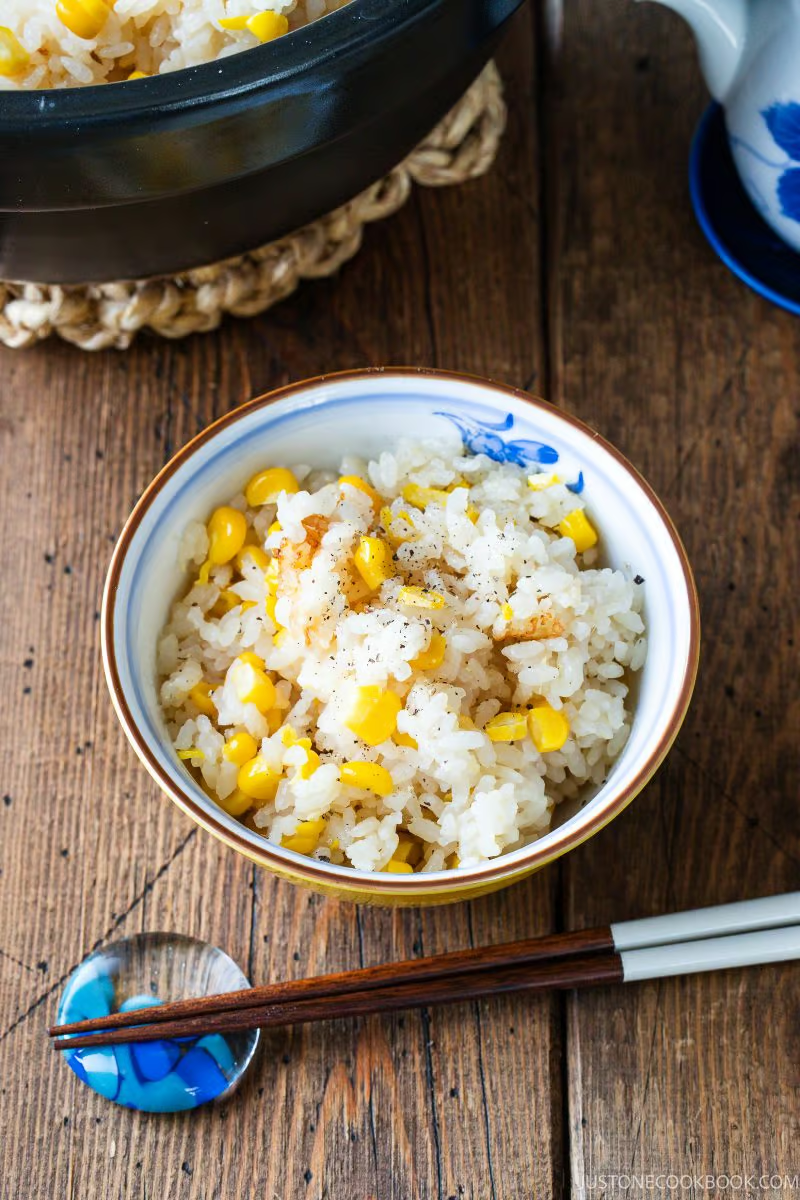
The recipe below uses butter and soy sauce, which gives the most rounded flavor. Two other ways we make it:
- Salt and sake (no butter). Omit the soy sauce and butter, replacing the soy sauce with an equal amount of water. This version lets the clean, natural sweetness of the corn shine through.
- Extra butter and soy sauce. Increase the soy sauce to taste, reducing the water by the same amount. The rice cooks up darker with a bold butter shoyu flavor.
- Garlic Butter Corn Rice. Sauté finely minced garlic in a little oil before adding the water, or simply stir in a spoonful of garlic butter at the end alongside the black pepper.
- Dashi-infused corn rice. Swap the water for vegan dashi (Japanese soup stock) for a deeper umami base that complements the natural sweetness of the corn.
What to Serve with Japanese Corn Rice
This savory-sweet rice pairs wonderfully with summer mains, grilled dishes, and light side soups. Here are a few favorite ideas to round out your Japanese meal:
- Mains & Grilled Dishes: We love pairing corn rice with Yakiniku (grilled beef) seasoned with my Homemade Yakiniku Sauce or savory Teba Shio (Salted Chicken Wings).
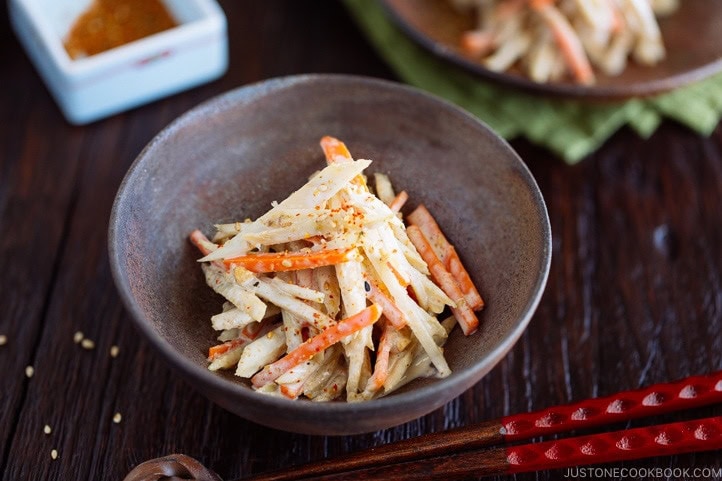
- Side Dishes: Serve alongside a refreshing Tofu Salad with Sesame Ponzu Dressing or crunchy Gobo Salad.
- Soups: A warm bowl of Vegetable Miso Soup balances the rich butter shoyu flavors perfectly.



I’d love to hear how yours turned out! 💛 Please leave a star rating and comment below to share your experience. Your feedback not only supports Just One Cookbook but also helps other home cooks discover recipes they can trust.
Japanese Corn Rice
Equipment
Ingredients
- 2¼ US cups uncooked Japanese short-grain white rice (3 rice cooker cups, 540 ml)
- 2 ears sweet corn (large, with husks; about 12.2 oz, 345 g each)
For the Cooking Liquid (2½ cups, 600 ml total)
- 2 Tbsp sake
- 1 Tbsp soy sauce
- 2⅓ cups water
- 1 tsp Diamond Crystal kosher salt (use half the amount or the same weight for table salt)
For Serving
- ⅛ tsp freshly ground black pepper
- 2 Tbsp unsalted butter (to taste; vegan butter for vegan)
- soy sauce (for drizzling; optional)
Instructions
Before You Start
- Gather all the ingredients. To see the metric measurements, click the Metric button above. Nami's Tip: I cook this in a donabe rice cooker, but a rice cooker works with the same measurements, and so does a heavy-bottomed pot for its steadier heat. The ratio of rice to water is 1:1.1.

To Rinse the Rice
- Add 2¼ US cups uncooked Japanese short-grain white rice to a large bowl with just enough water to submerge. Discard the water immediately.Nami's Tip: Don't let the rice sit in the first few rounds of cloudy water. Dry grains drink the first water fastest, and that water carries the bran left from milling. If the rice takes it back in, that bran smell ends up in the cooked rice.

- Use your fingers to gently wash the rice in a circular motion for 15–20 seconds.

- Add water to rinse, then discard the water. Repeat this process a couple of times until the water is nearly clear.

- Drain the rice well once the water runs almost clear.Nami's Tip: A fine-mesh sieve drains it fastest. Shake off the water still clinging to the grains, or it adds to the cooking liquid you measure later.

To Prepare the Corn
- Peel the outer leaves off 2 ears sweet corn down to a thin inner layer. Grip the leaf tops and tassel together and pull straight down in one firm tug. Break off the leaves and silks at the base, pick away any strays, and rinse under cold water.

- Lay a cob on the cutting board and hold it steady. Slice the kernels off in long downward cuts with a sharp knife, or use a corn kernel peeler. Cut the stripped cobs in half or smaller so they fit your pot.

To Measure the Cooking Liquid
- Combine 2 Tbsp sake and 1 Tbsp soy sauce in a measuring cup, then add 2⅓ cups water. The total should come to 2½ cups (600 ml). Nami's Tip: For a more strongly seasoned rice, add more soy sauce and take away the same amount of water. The total has to stay at 2½ cups (600 ml), or the rice cooks with the wrong amount of liquid.

To Layer and Soak
- Add the well-drained rice to the rice donabe, rice cooker, or heavy-bottomed pot. Pour in the cooking liquid that you just measured.

- Add 1 tsp Diamond Crystal kosher salt (use half the amount or the same weight for table salt) and mix well. Level the rice so the surface is flat.

- Scatter the corn kernels on top in an even layer. Don't mix them into the rice.Nami's Tip: Anything stirred through the rice stops it cooking evenly. The corn stays on top until the rice is done.

- Lay the cobs on top of the corn and close the lid. Let the rice soak for 20–30 minutes before cooking.Nami's Tip: Japanese short-grain rice needs the soak. The rounded grains absorb water all the way to the core, and that is what makes them cook evenly.

To Cook the Rice
- HARIO Gohangama: Cook over medium heat until the pot whistles, about 10–12 minutes. Once it whistles, cook for 1 minute (or 2 minutes for okoge, the crispy, scorched rice at the bottom). If the whistle sounds earlier or later than expected, adjust the heat slightly next time.Regular donabe rice cooker: Cook over medium to medium-high heat until steam escapes vigorously, about 10–12 minutes. Reduce to low heat and cook for 15 minutes. For okoge (crispy, scorched rice at the bottom), increase to high heat for the last 10 seconds.Electric rice cooker: Cook on the MIX RICE setting.Heavy-bottomed pot: Cook over medium to medium-high heat until a full boil. Reduce the heat to low and cook for 13–15 minutes.

- Turn off the heat and take the pot off the stove. Leave the lid on and let it steam for 15 minutes.

- Open the lid and remove the cobs.

- Sprinkle with ⅛ tsp freshly ground black pepper and add 2 Tbsp unsalted butter on top. Put the lid back on and bring the pot to the table.

To Serve
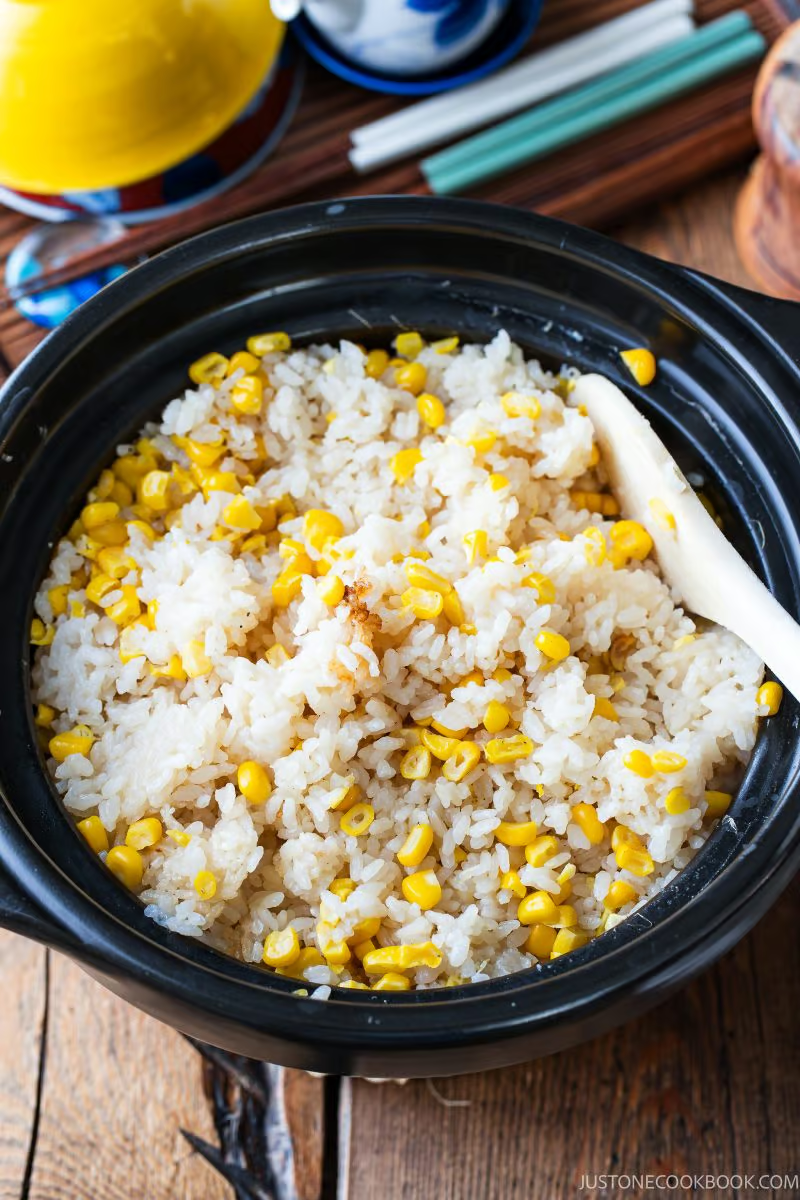
- Fluff the rice gently and serve right away. Drizzle with additional soy sauce, if desired.

To Store
- Store leftovers in an airtight container in the refrigerator for 3–4 days, or in the freezer for 1 month.
Notes
Nutrition
The nutrition facts shown are generated by an online calculator and are estimates only. Please consult a professional nutritionist for specific dietary needs.
Did you make this recipe?
Tag @justonecookbook on Instagram so we can see your delicious creation!
Editor’s Note: This post was originally published on June 23, 2021. It was updated with improved step-by-step instructions and updated expert notes on September 23, 2026