

This post may contain affiliate links. Please read my disclosure policy.
Unadon at a Glance
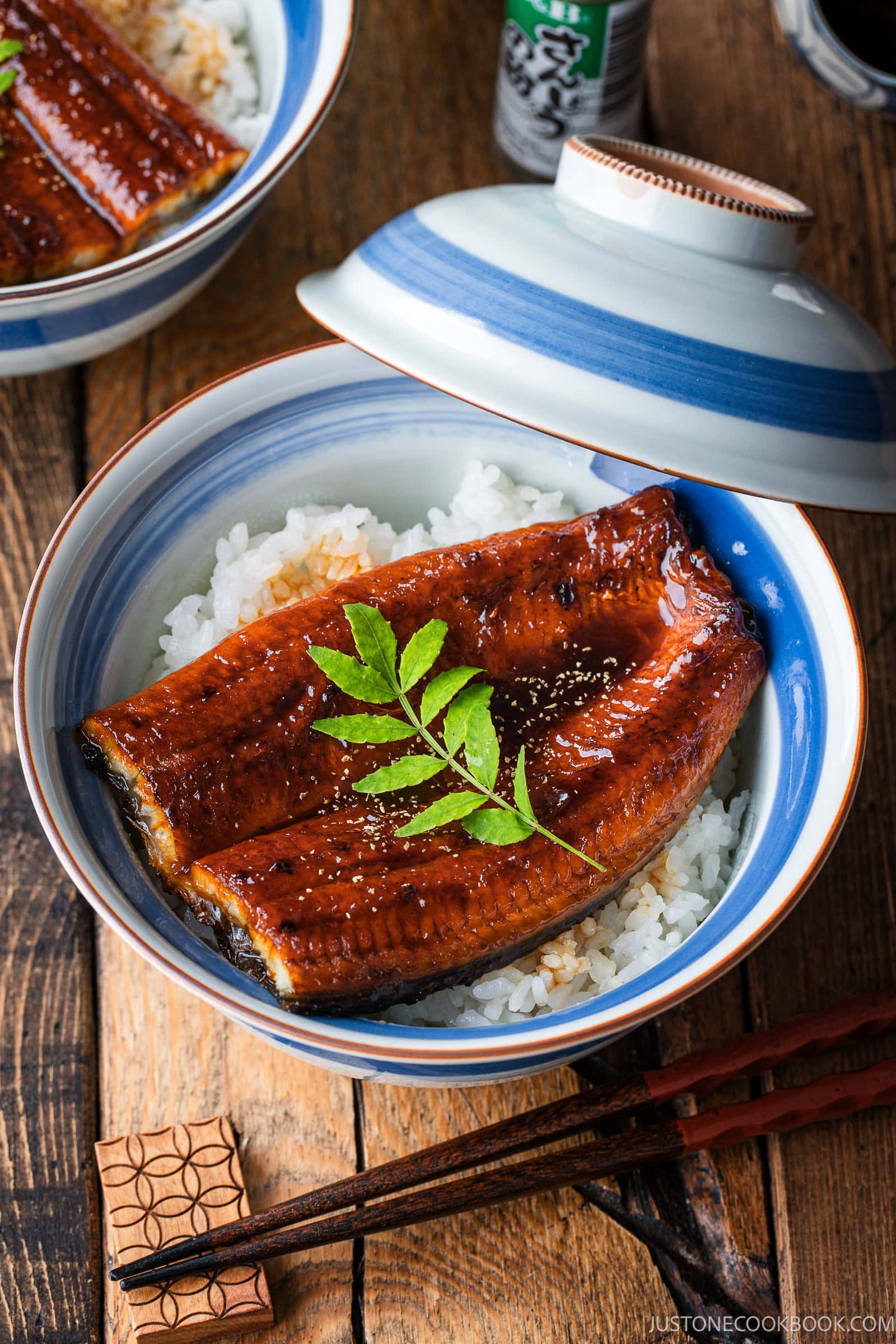
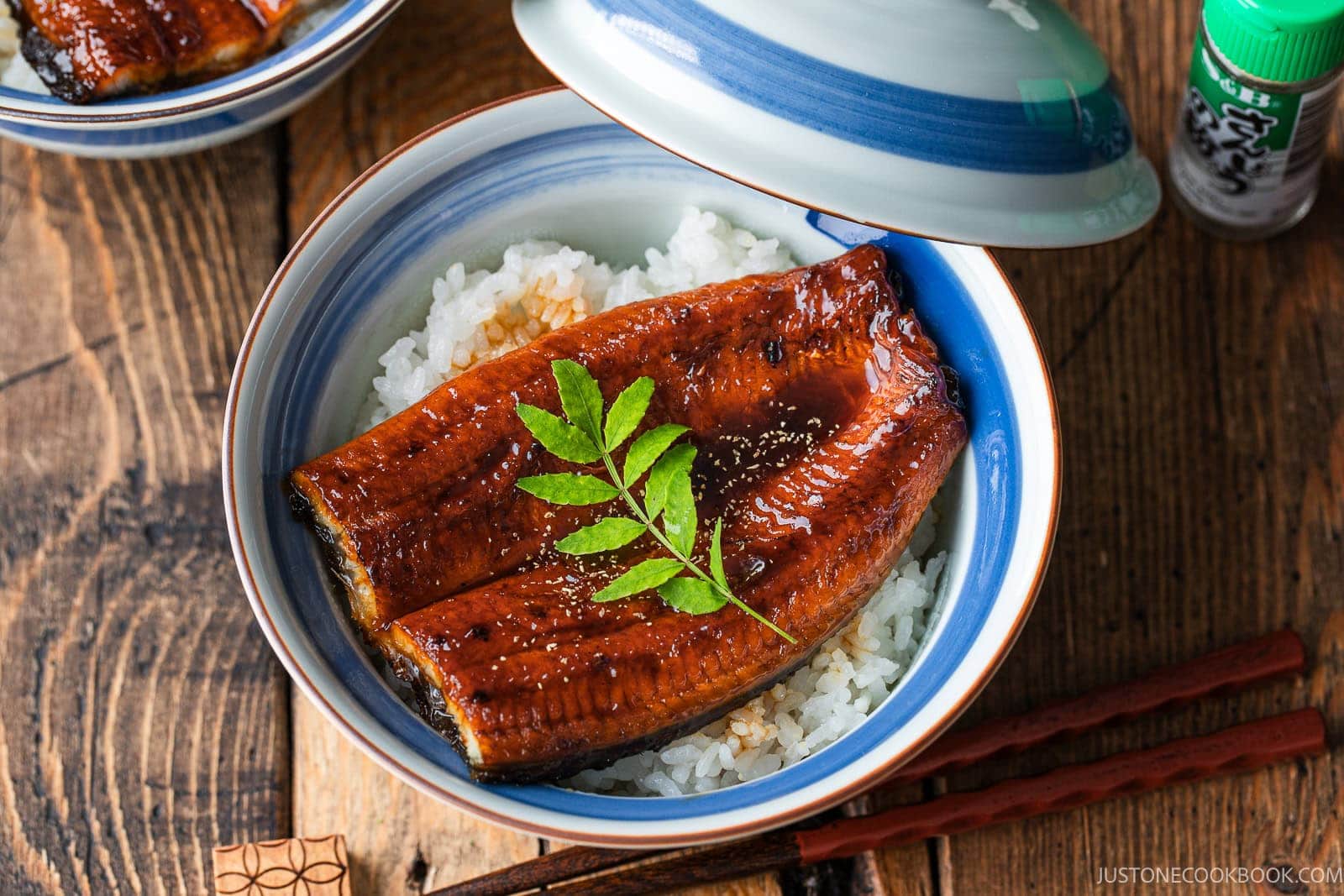
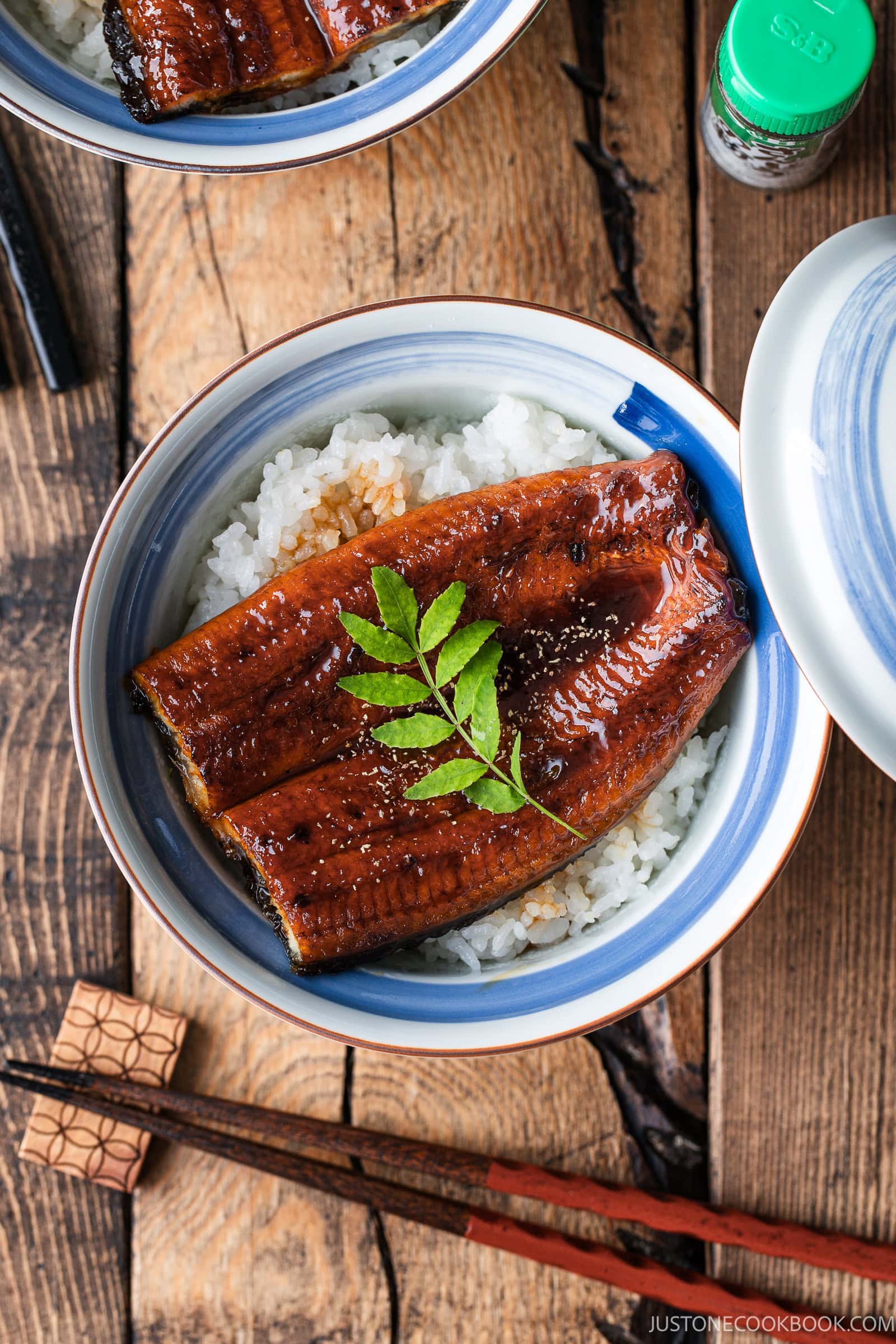
Unadon (鰻丼) is a classic Japanese rice bowl topped with grilled freshwater eel (unagi). The eel is traditionally prepared using a method called kabayaki (蒲焼), in which it’s grilled and glazed with a sweet-savory soy-based sauce (tare).
Why You’ll Love It
- Restaurant-quality at home – This recipe uses a homemade sauce with four pantry ingredients to create a sweet-savory glaze over the tender unagi.
- Double-broil method – Brushing the eel with unagi sauce before the second broiling allows the sugars to caramelize, creating a glossy finish and a richer, more complex sweetness.
- Easy preparation – Using a pre-grilled eel makes this an easy meal that comes together in just 30 minutes.
What readers say
ALEX
“This was mind-blowingly delicious. The eel is just so flaky and easy to eat with chopsticks.”
My Recipe Story
I’ve always loved unagi, especially when it’s grilled until tender and brushed with a glossy, caramelized sauce. In Japan, unagi is considered a special treat rather than an everyday meal, and it’s something I always look forward to when I visit.
When making unadon at home, I love using Japanese-imported unagi from Kagoshima whenever I can find it. It’s more expensive, but the delicate texture and flavor make it worth the splurge!
Craving more unagi dishes? Don’t miss my recipes for Unagi Chazuke and Eggplant Unagi Donburi!
Key Ingredients
- Unagi (eel) fillets – Use pre-grilled, vacuum-sealed fillets from Japanese/Asian grocery stores or online. I prefer Japanese-imported unagi for its tender texture and rich flavor.
- Homemade unagi sauce – A sweet-savory glaze made with soy sauce, mirin, sake, and sugar.
- Steamed rice – Freshly cooked Japanese short-grain rice is best for absorbing the flavorful sauce.
- Sansho pepper – A traditional optional seasoning that adds a refreshing, citrusy kick.
Where to Buy Unagi
In Japan, home cooks typically buy pre-grilled unagi (kabayaki) rather than preparing fresh eel themselves.

In the US, look for vacuum-sealed grilled eel in the frozen or refrigerated section of Japanese and Asian grocery stores. You can also buy unagi online.
I prefer Japanese-imported unagi, especially from Kagoshima. It’s more expensive, but the flesh is exceptionally tender, and the skin is soft and delicate rather than thick or chewy.
When possible, choose unagi from a supplier that identifies the eel species and country of origin.
Jump to RecipeHow to Make Unadon (Grilled Eel Rice Bowl)
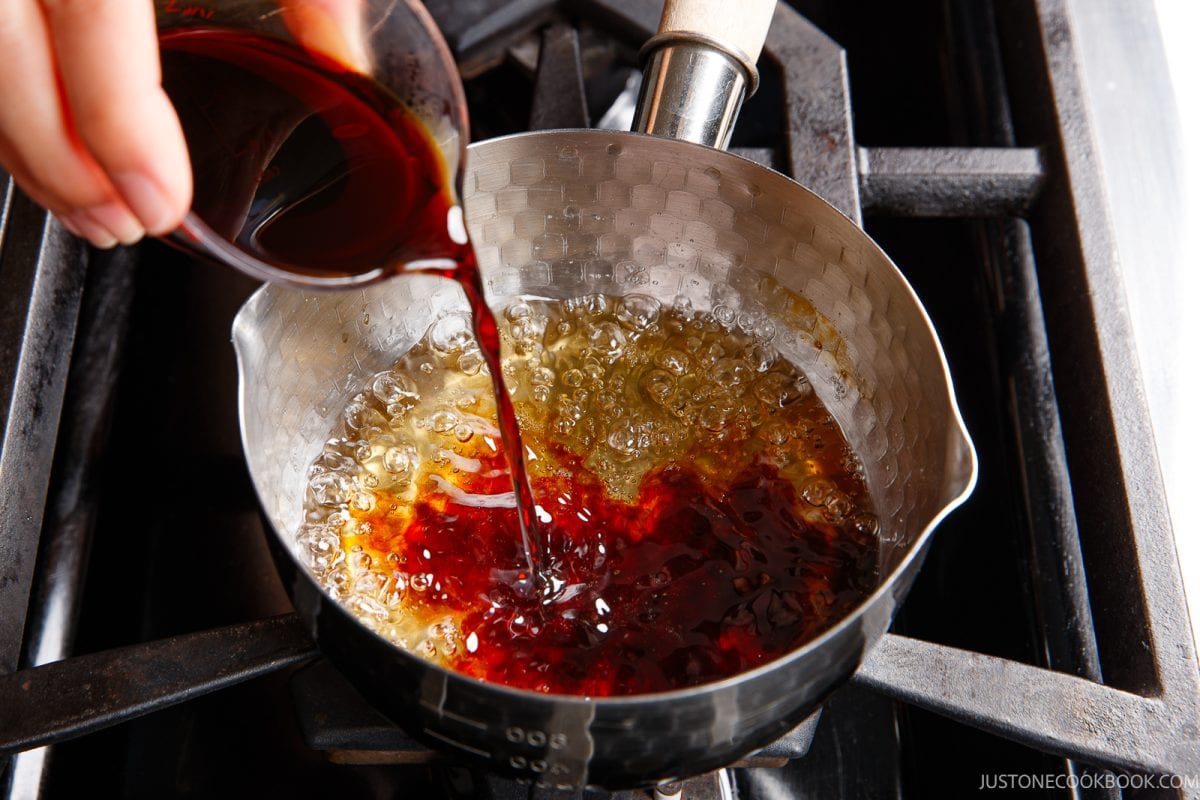
- Prepare the unagi sauce. Simmer soy sauce, mirin, sake, and sugar until slightly thickened.
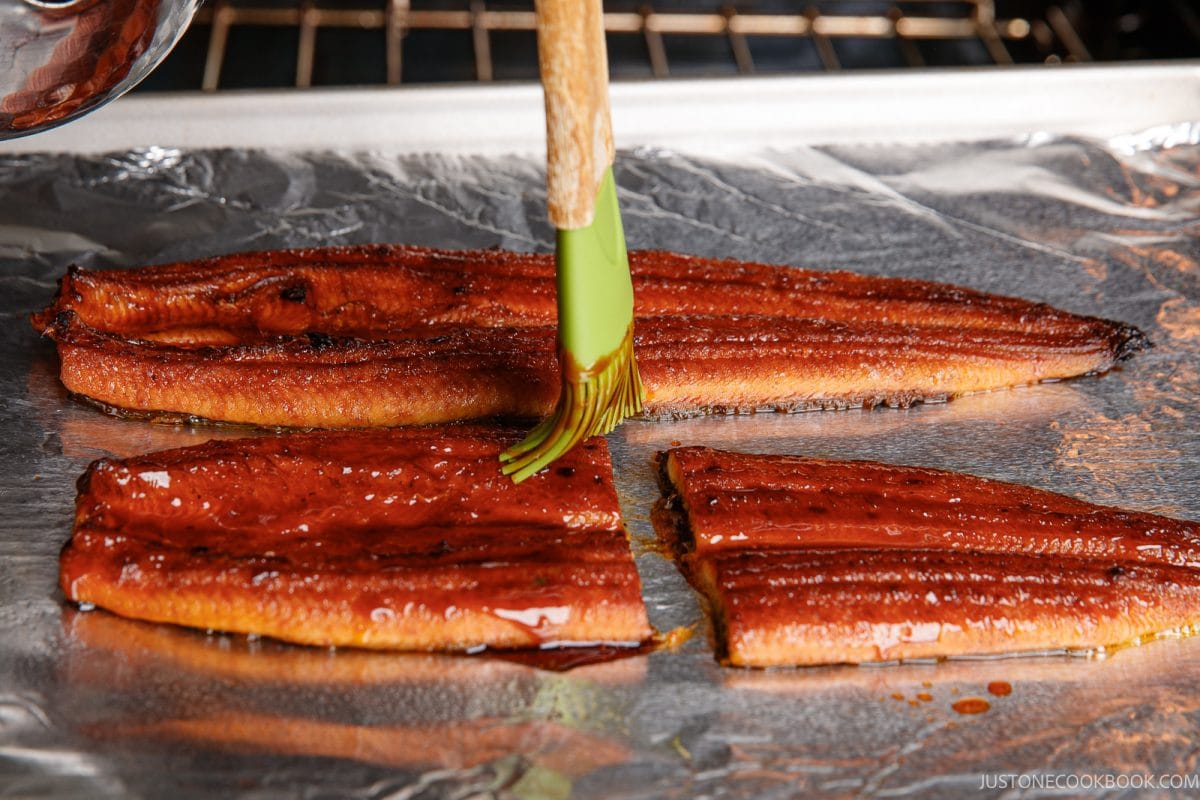
- Reheat and glaze the eel. Broil the pre-grilled unagi until heated through, then brush with homemade sauce.
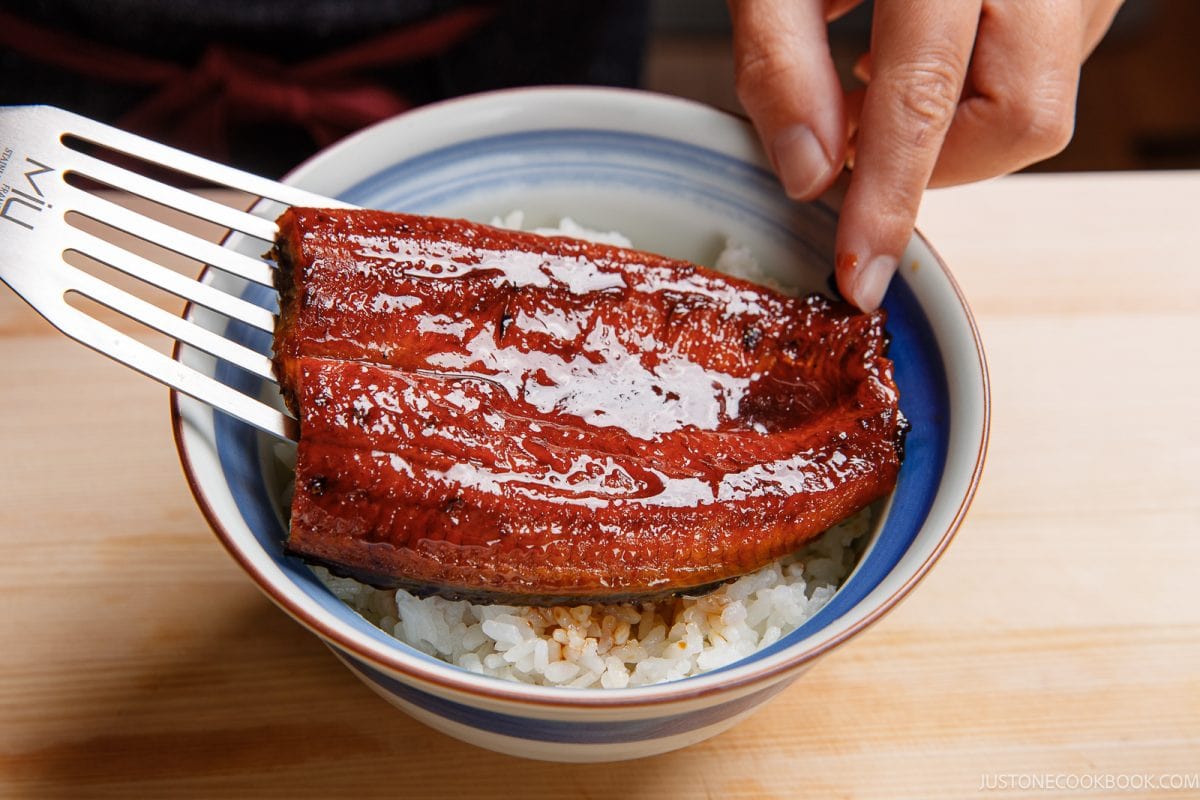
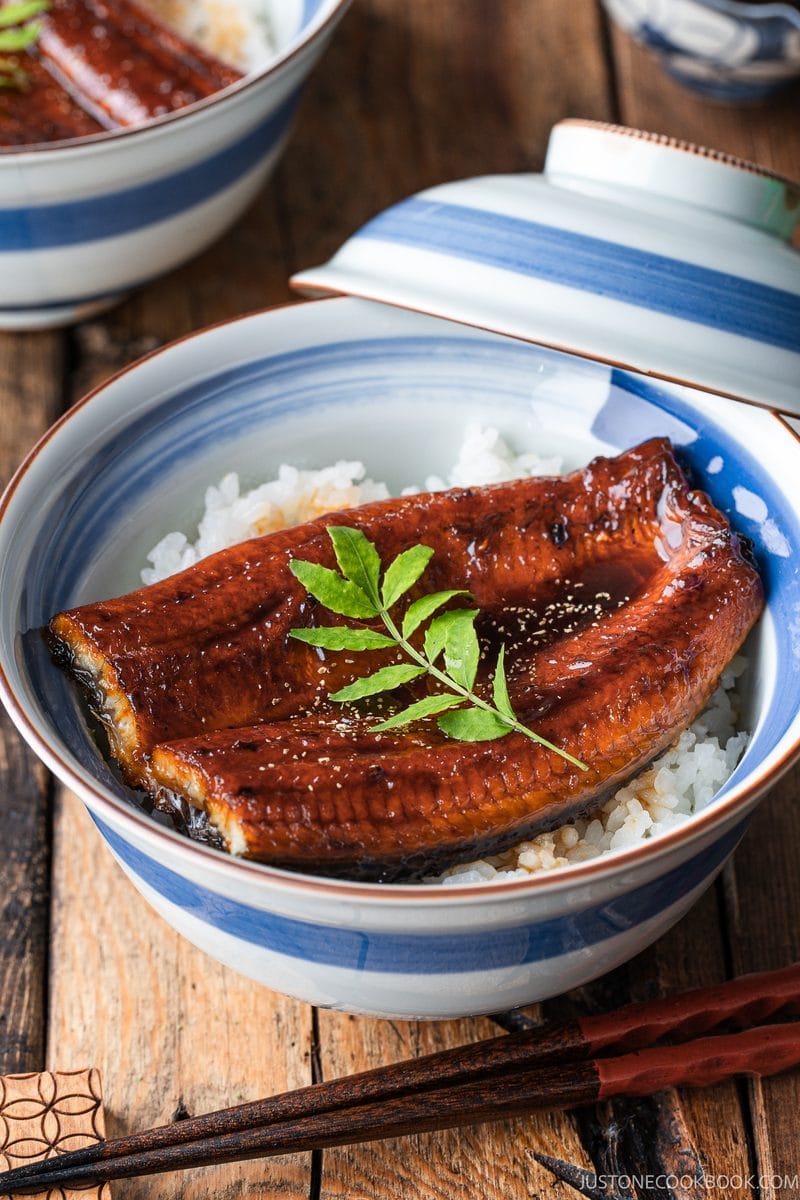
- Assemble the rice bowls. Divide hot steamed rice among donburi bowls, drizzle with sauce, and top with the glazed eel. Serve immediately.

Nami’s Recipe Tips
- Thaw the eel completely. If using frozen unagi, thaw it in the refrigerator before reheating for more even cooking.
- Reduce the sauce properly. Simmer until reduced to about one-third of its original volume. If still thin after 15 minutes, keep simmering. Low heat, a narrow saucepan, or a larger batch may require more time. The sauce thickens further as it cools.
- Avoid overcooking. Pre-grilled unagi only needs reheating. Too much heat can dry out the delicate flesh.
- Glaze near the end. Brush with unagi sauce just before finishing, as the sugar can burn under high heat.
Storage Tips
- Refrigerate: Store leftover unagi in an airtight container for up to 3 days.
- Freeze: Freeze the unagi in an airtight container for up to 2 weeks.
- Unagi sauce: Refrigerate in a clean, airtight jar for up to 3 months.
How To Make Your Own Unagi Sauce
You can buy bottled unagi sauce at Japanese grocery stores, but I prefer making my own Homemade Eel Sauce. It takes just four ingredients and gives the eel a beautiful, glossy glaze.

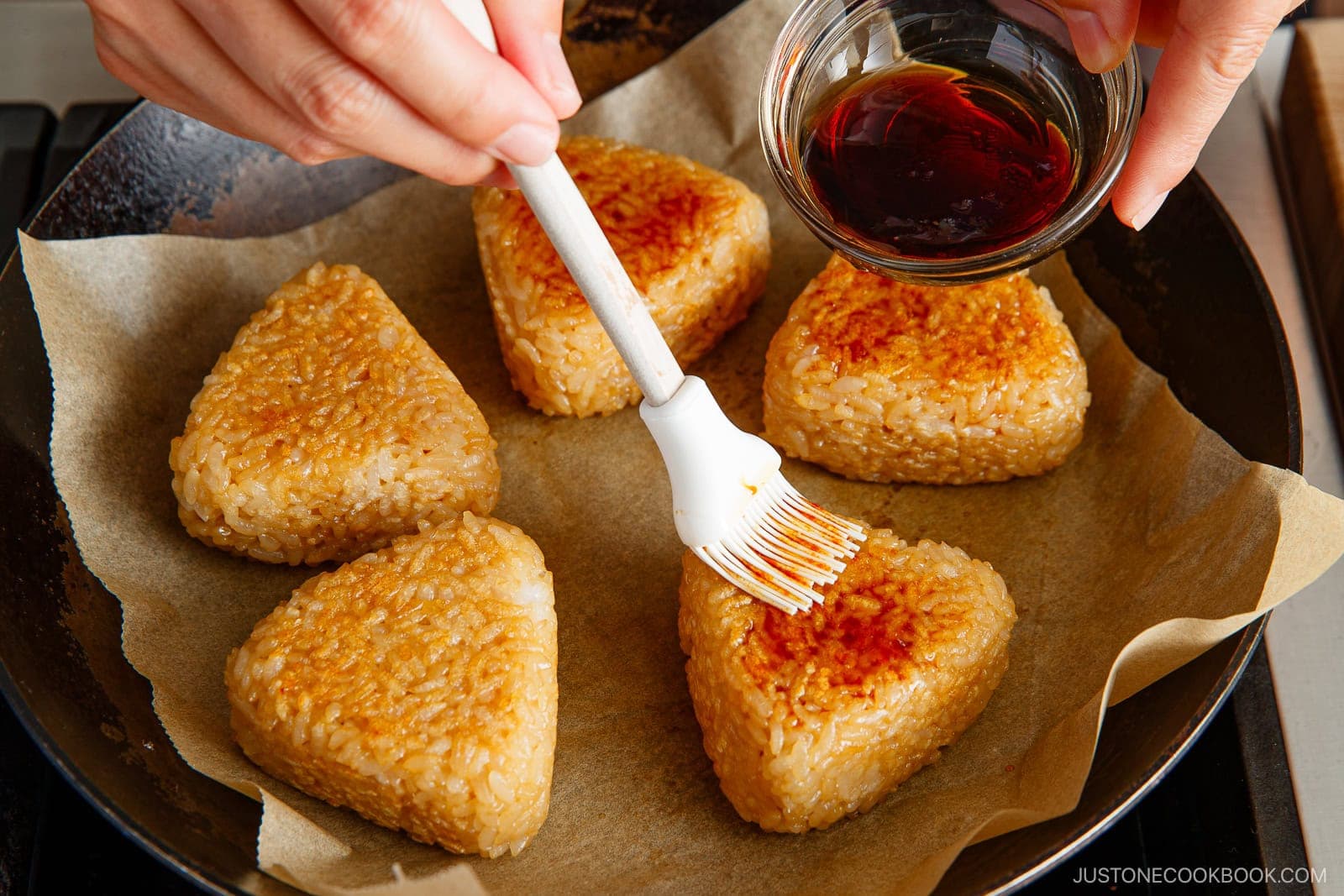
If you have extra sauce, use it to glaze Yaki Onigiri in place of standard soy sauce. It creates a deep, caramelized flavor and is one of my favorite ways to use up leftovers!
How is Unagi Traditionally Prepared?
In Japan, unagi is traditionally prepared using a method called kabayaki. The eel is butterflied, deboned, skewered, and grilled with a sweet-savory soy-based glaze.
There are regional differences in preparation. In the Tokyo region (Kanto), the eel is first grilled without sauce, a step called shirayaki (白焼き). It’s then steamed before being glazed and grilled again, creating a particularly tender texture.
What to Serve With Unadon
Balance the rich, sweet-savory eel with these classic Japanese side dishes:
- Homemade Miso Soup – A warm, comforting bowl of soup to round out the meal.
- Japanese Pickles (Tsukemono) – Refreshing crunch to balance the rich eel.
- Spinach with Sesame Sauce – A simple vegetable side with nutty sesame flavor.
- Kinpira Renkon – Crisp lotus root with a savory-sweet glaze.


Making delicious unadon at home requires minimal effort, but the results are truly rewarding!
I’d love to hear how yours turned out! 💛 Please leave a star rating and comment below to share your experience. Your feedback not only supports Just One Cookbook but also helps other home cooks discover recipes they can trust.
Unadon (Unagi Don)

Ingredients
- 2 unagi (freshwater eel) fillets (about 5.6 oz / 160 g each; thawed)
- cooking spray (or neutral oil, for broiling)
For the Unagi Sauce
For Serving
- cooked Japanese short-grain rice
- Japanese sansho pepper (optional)
Instructions
- Gather all the ingredients. Nami's Tip: I recommend doubling or tripling the unagi sauce. It keeps in the refrigerator for up to 3 months and is delicious on Yaki Onigiri.

To Make the Unagi Sauce
- To a small saucepan, combine ¼ cup mirin, 1½ Tbsp sake, and 2½ Tbsp sugar.

- Heat over medium heat, whisking to dissolve the sugar. Add ¼ cup soy sauce and bring to a boil.

- Reduce the heat to a gentle simmer. Cook for 10–15 minutes, until the sauce reduces to about one-third of its original volume.Nami's Tip: Dip a wooden chopstick into the sauce before simmering to mark the starting level. Use it to check how much the sauce has reduced.

- Remove from the heat when the sauce thickens and bubbles more vigorously. It will thicken further as it cools. The sauce should be glossy and pourable, not as thick as honey.Nami's Tip: If the sauce is too thick, stir in a little water. If it's still thin after 15 minutes, continue simmering. Low heat, a narrow saucepan, or a larger batch may require more time to reduce.

To Cut the Unagi
- Cut 2 unagi (freshwater eel) fillets into halves or thirds to fit your serving bowls.

To Broil (recommended)
- I recommend broiling for the best caramelized finish. For alternative methods, see “To Bake” or “To Heat in a Pan” below.Preheat the broiler on High for 5 minutes. Position the oven rack about 8 inches (20 cm) below the heating element. If using Medium, position the rack about 6 inches (15 cm) below the element.
- Line a baking sheet with foil and lightly grease it with cooking spray or neutral oil. Place the unagi skin side down and broil for 5–7 minutes, until lightly blistered. Do not flip. Watch closely, as broiler intensity varies by oven.

- Brush the unagi with sauce and broil for another 30–60 seconds, until the glaze bubbles.

To Serve
- Divide the hot steamed rice between two donburi bowls. Drizzle or brush with unagi sauce.

- Place one unagi fillet over each bowl of rice. Brush with more sauce and serve immediately. Garnish with Japanese sansho pepper or kinome (sansho leaves), if desired.

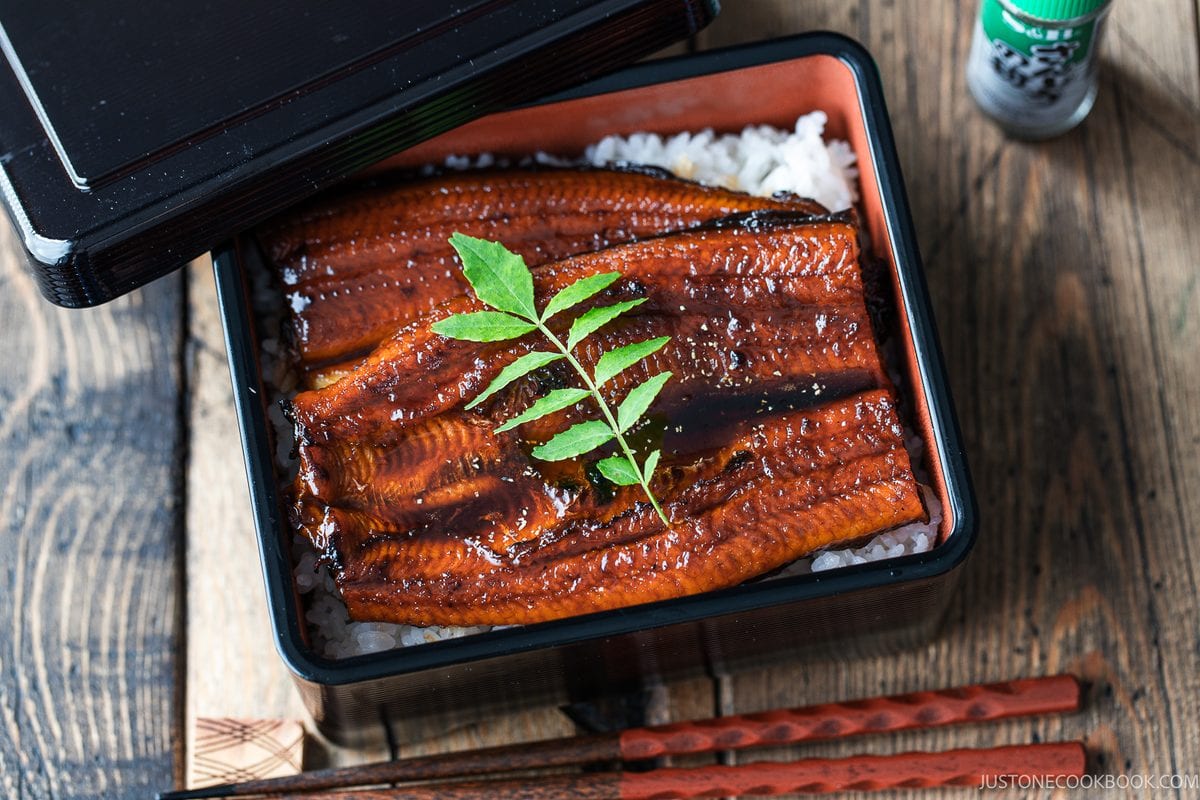
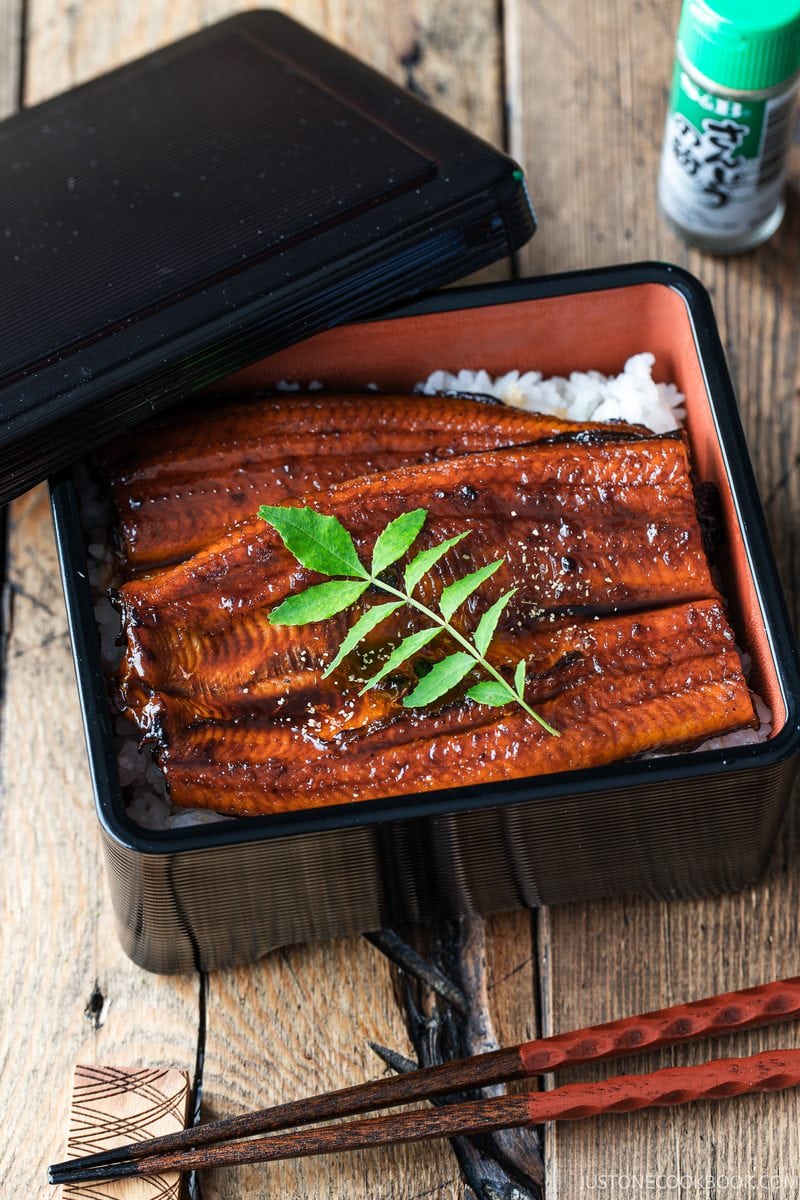
- For Unaju: Serve the rice in a jubako (Japanese lacquered box). Arrange the unagi pieces slightly overlapping to cover the rice, then brush with sauce.

To Store
- Refrigerate: Store leftover unagi in an airtight container for up to 3 days.Freeze: Freeze the unagi in an airtight container for up to 2 weeks.Unagi sauce: Refrigerate in a clean, airtight jar for up to 3 months.
To Bake (Alternative Method)
- Preheat the oven to 425°F (218°C) with a rack in the center. Line a baking sheet with parchment paper and place the unagi on top, skin side down. Bake for 10–12 minutes, until lightly blistered. Do not flip.Brush with unagi sauce and bake for another 30–60 seconds, until the glaze bubbles.
To Heat in a Pan (Alternative Method)
- Prepare two 16-inch (40-cm) square sheets of foil and lightly grease the centers. Divide the unagi pieces between them. Fold and seal the foil around the unagi to make two pouches.Place the pouches in a frying pan and heat over low heat for 5–8 minutes, until warmed through.Nami's Tip: This gentle method keeps the eel moist but won't create a blistered or charred surface.
Notes
- High: 500–550ºF (260–288ºC)
- Medium: 450–500ºF (232–260ºC)
- Low: 400–450ºF (204–232ºC)
Nutrition
The nutrition facts shown are generated by an online calculator and are estimates only. Please consult a professional nutritionist for specific dietary needs.
Did you make this recipe?
Tag @justonecookbook on Instagram so we can see your delicious creation!
Update: The post was originally published on May 31, 2012, and updated with a revised recipe in July 2012. It was updated with new images on July 23, 2024, and was updated with more helpful success tips and revised step-by-step instructions on October 14, 2026.
