


Recipe Highlights
Omurice (Japanese Omelette Rice) was my favorite food growing up in Japan, and my own kids loved it when they were little, too. A warm, tender, and creamy omelette wrapped around ketchup rice feels like a hug from my mom’s kitchen. I make it whenever we want a fast lunch or dinner that still feels special.
Here’s why I keep coming back to this recipe:
- Quick enough for a weeknight, 30 minutes tops
- Uses pantry staples you likely have on hand
- Endlessly flexible with whatever protein you have
If you love Japanese yoshoku (Western-style) recipes, try my Japanese Hamburger Steak, Tonkatsu, and Japanese Chicken Curry next!

What is Omurice?
Omurice (オムライス, or omuraisu) blends the words omelette and rice, wrapping ketchup-seasoned rice in a thin omelette.
This yoshoku (Western-style) dish traces back to a 1925 Osaka diner called Hokkyokusei. Today, it’s a beloved comfort food found on menus at family restaurants, diners, and home kitchens across Japan.
Ingredients for Omurice
For the Chicken Rice
- Boneless, skinless chicken thigh
- Onion
- Green peas
- Japanese short-grain rice – cooked; day-old
- Kagome Ketchup – for an authentic taste
- Worcestershire sauce – or soy sauce
- Salt and black pepper
- Butter
For the Omelette
- Eggs
- Salt
- Butter
Find the printable recipe with measurements below.

How to Make Omurice
- Cook the chicken rice. Sauté the onion over medium heat until soft, then add the chicken and cook until no longer pink. Stir in the sauces and let the moisture evaporate before adding the rice and peas.
- Beat and strain the eggs. Beat the eggs in a zigzag motion, then strain them through a fine-mesh sieve.
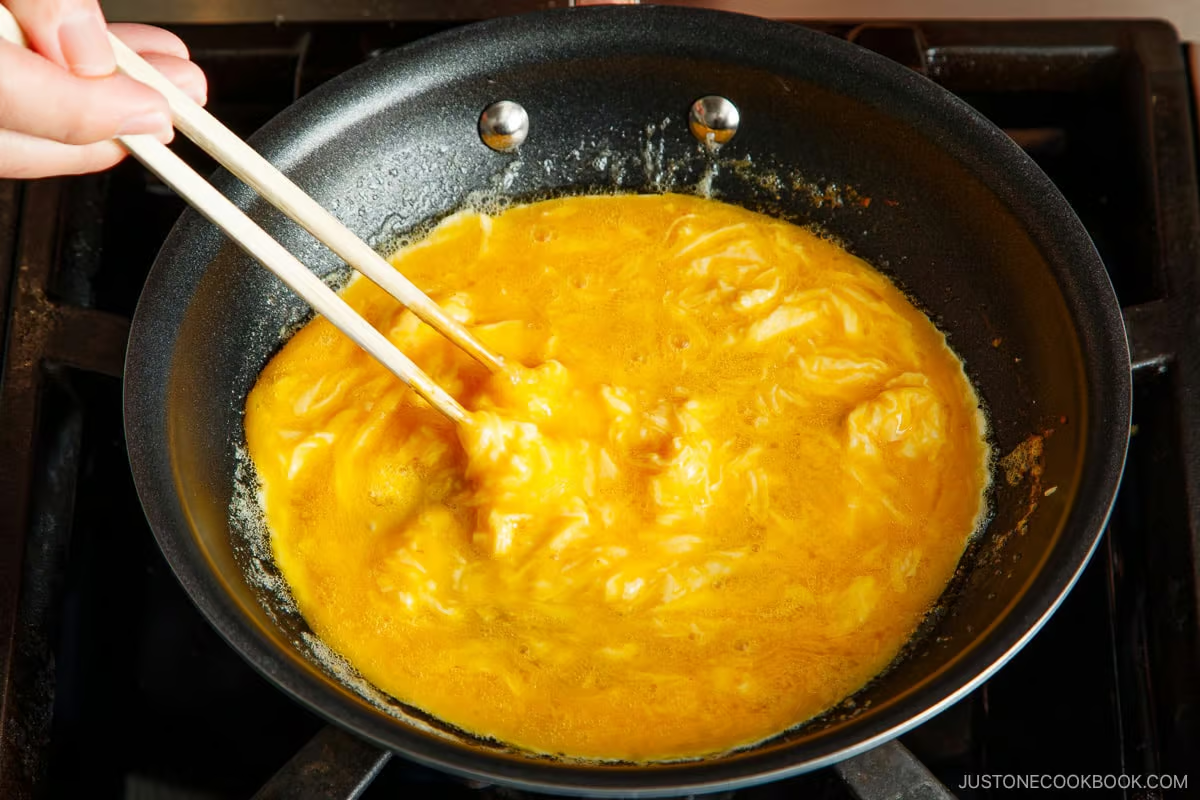
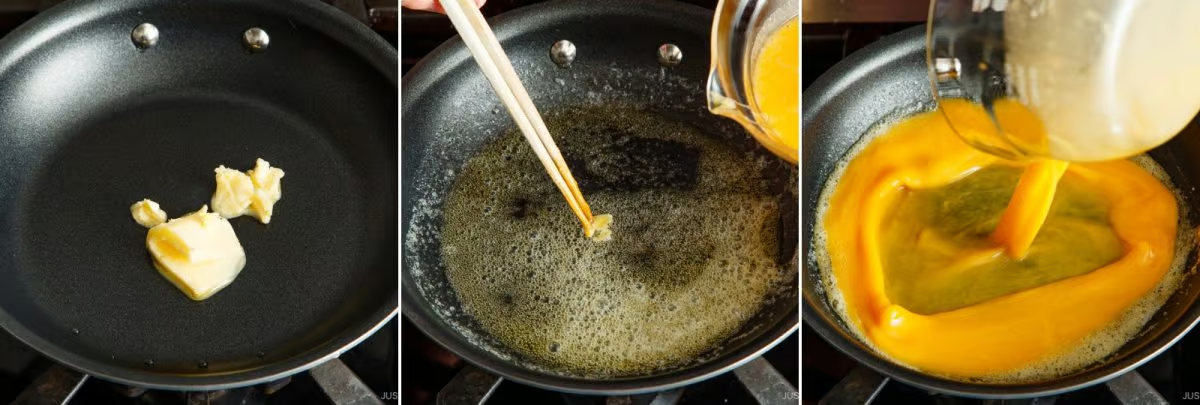
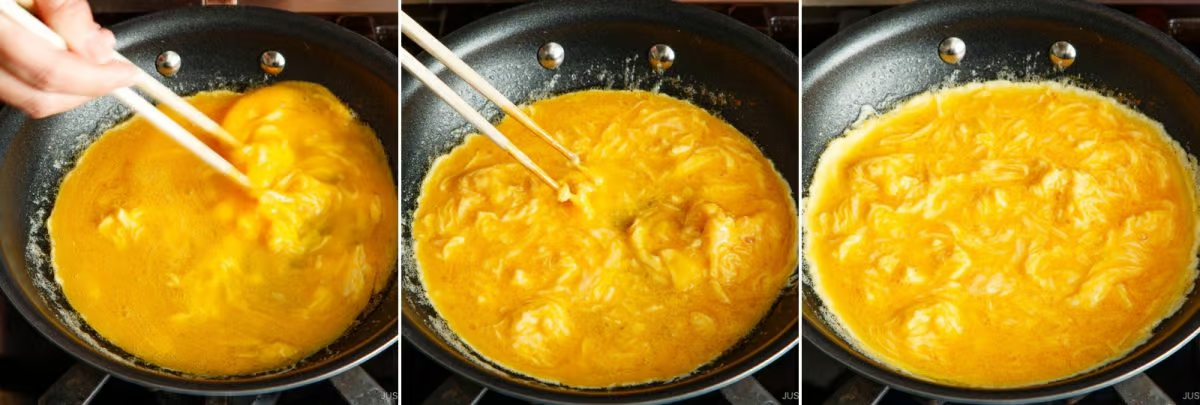
- Cook the omelette. Melt butter in a small nonstick frying pan, then pour in the egg mixture. Stir constantly with chopsticks while shaking the pan to form soft, small curds.
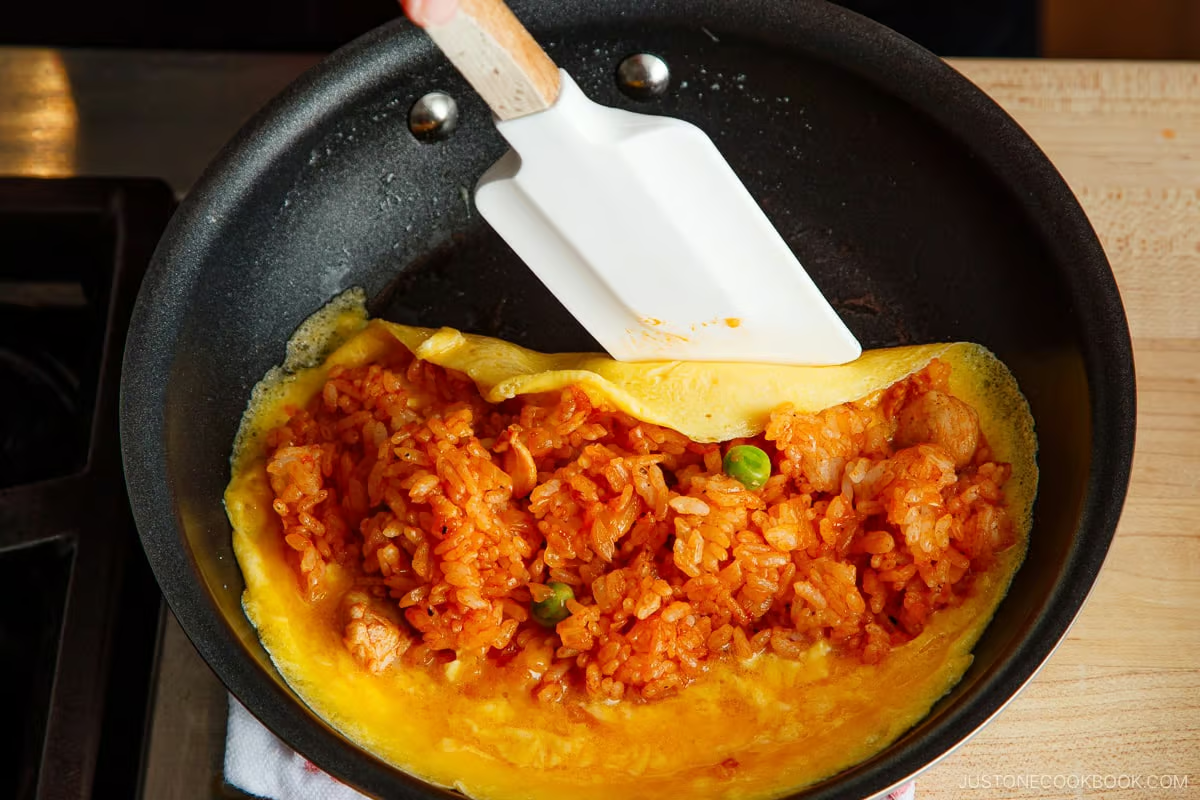
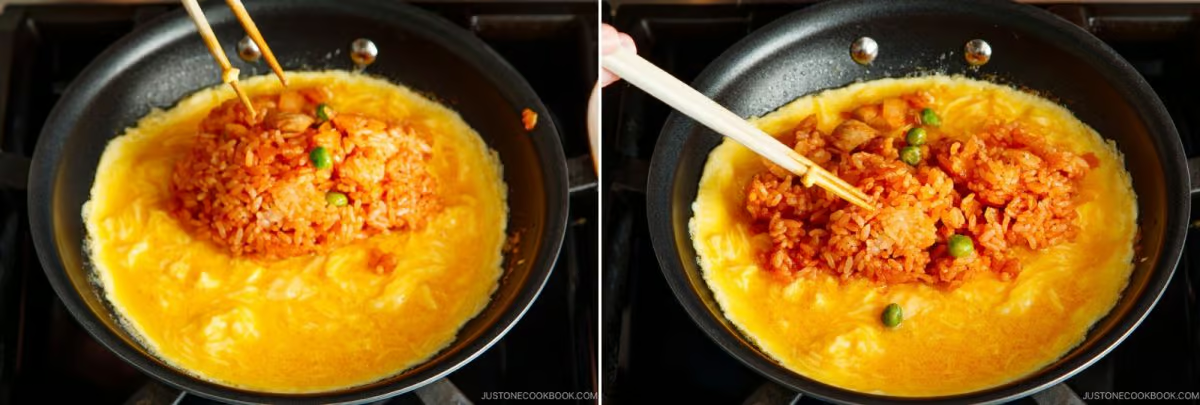
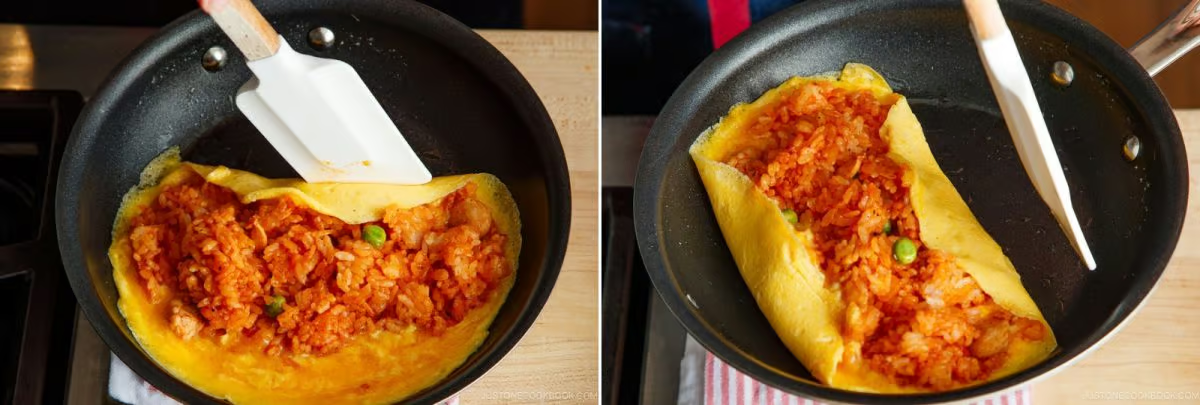
- Fill and fold. When the eggs are half-cooked, place a mound of rice on top of the omelette. Fold both sides over the rice to enclose it.
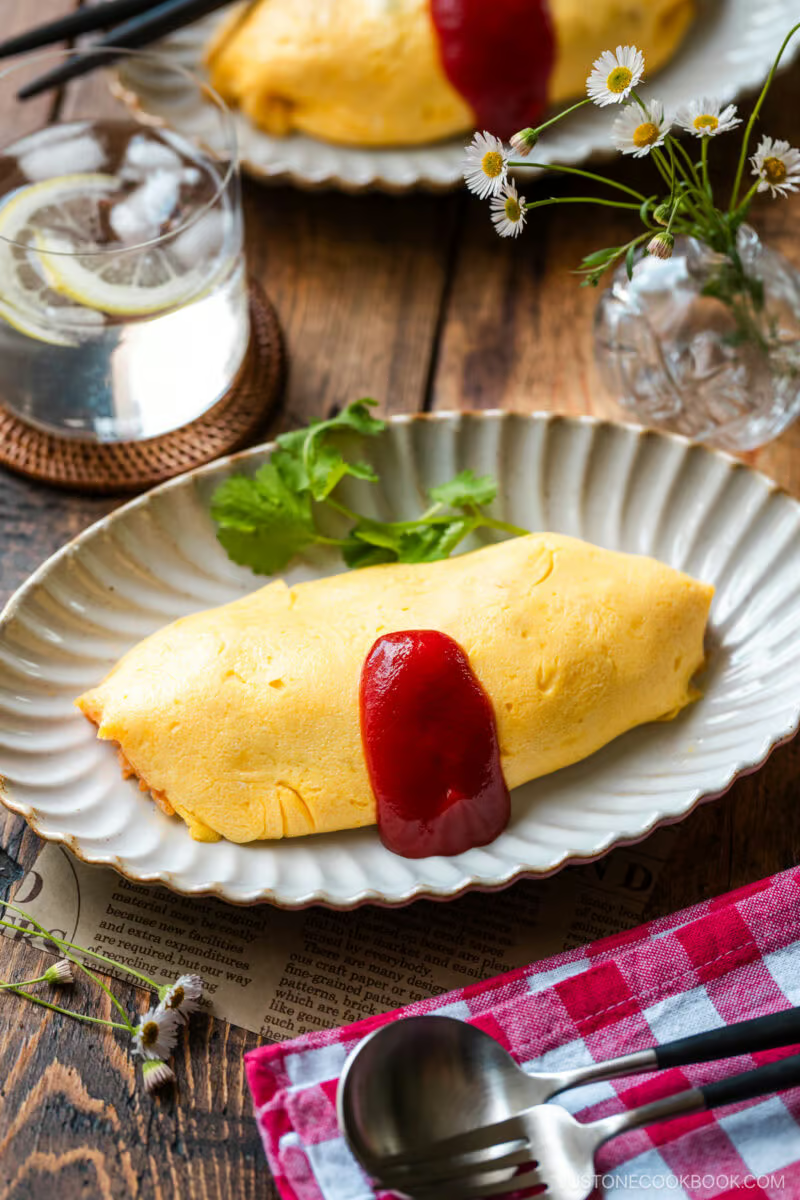
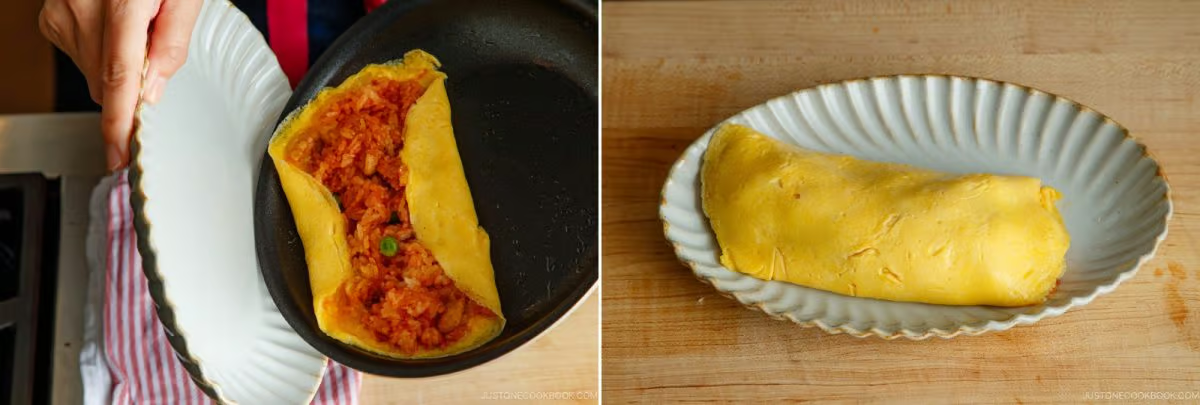
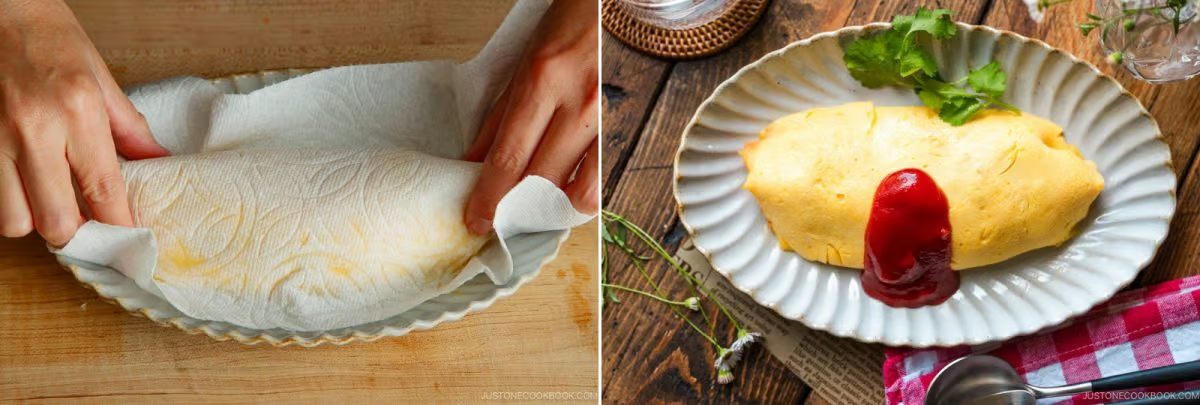
- Flip, shape, and serve. Invert the omelette onto a serving plate, seam side down. Mold it into an oval with a paper towel, then garnish with ketchup.


Nami’s Recipe Tips
Keep these tips in mind for the best results every time.
Prepping
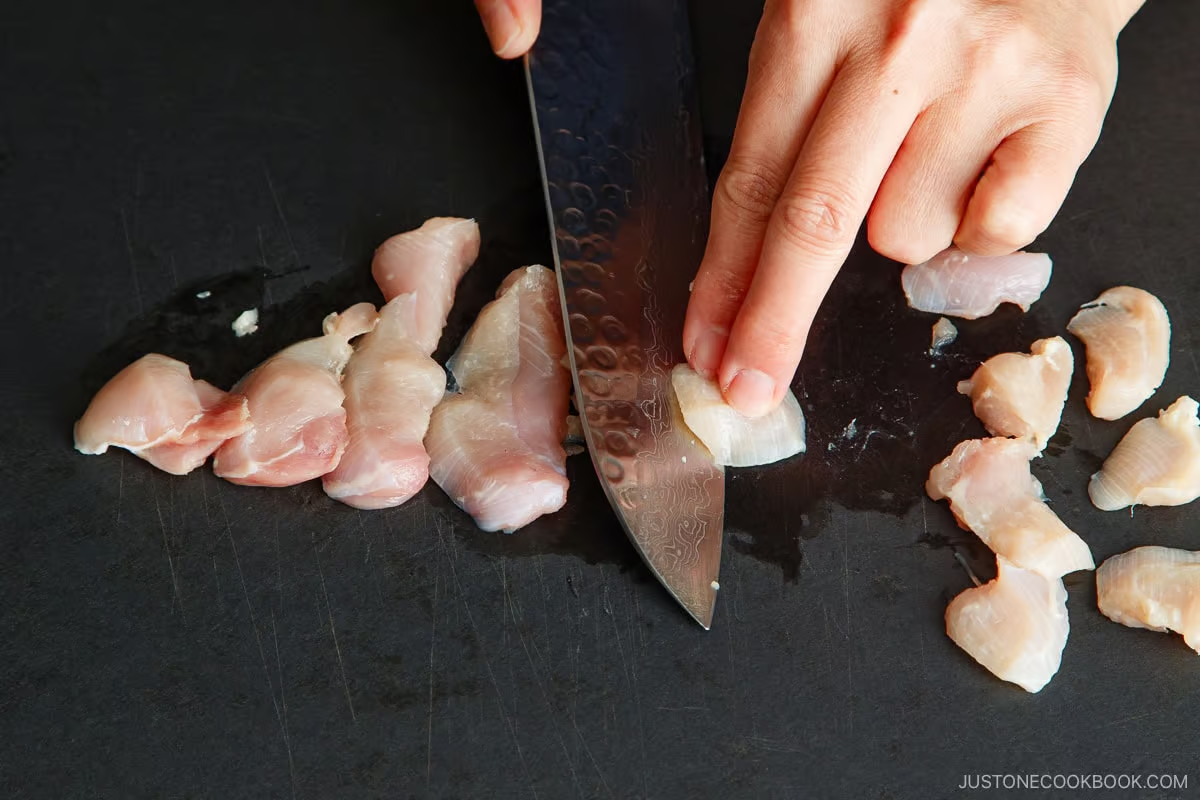
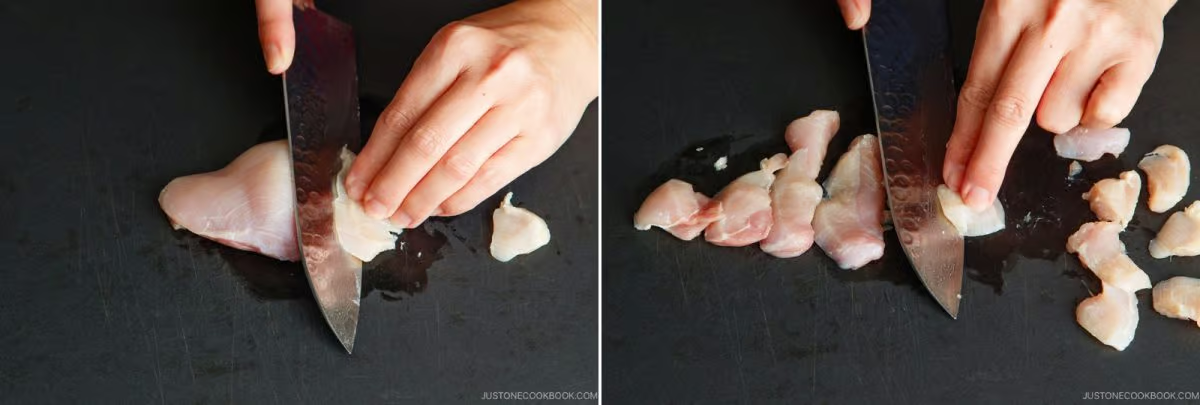
- Cut chicken in slanted slices – Angle your knife for thin, even slices that cook faster and absorb flavor. See my Sogigiri guide for technique.
- Beat Thoroughly: Break up the egg whites completely with chopsticks; leftover strands make the omelette tear.
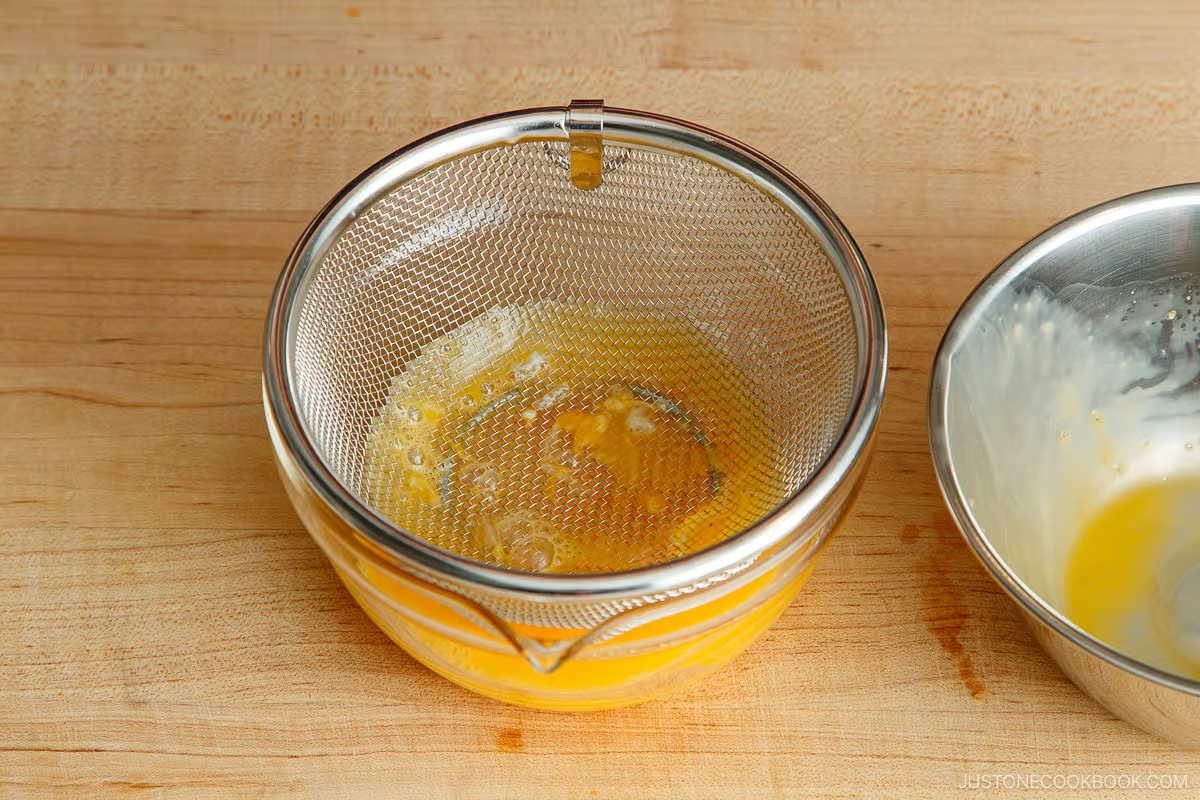
- Strain, no milk needed – Pass the eggs through a fine-mesh strainer to remove the chalaza. Straining gives a smooth, custardy texture without diluting the eggs, so they’re less likely to tear.
Cooking the Chicken Rice
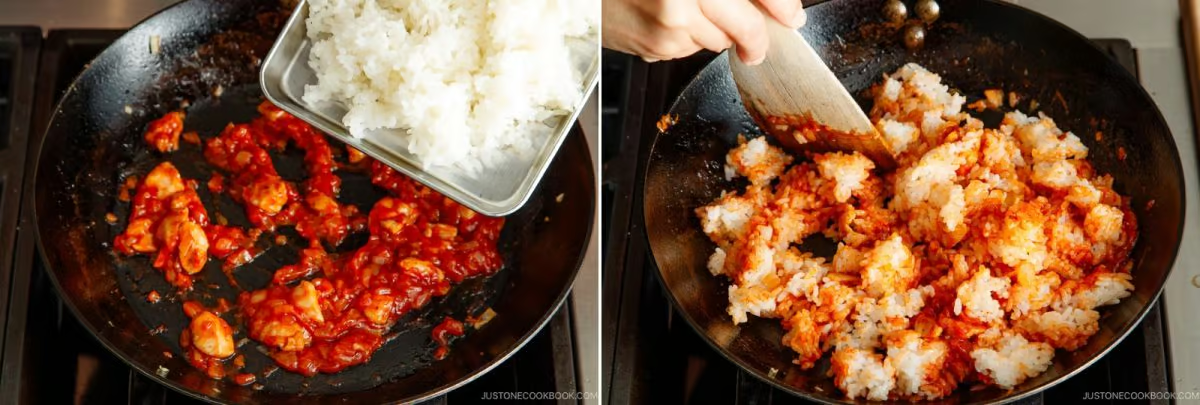
- Ensure the rice is warm – Cold rice causes uneven mixing and sticky texture.
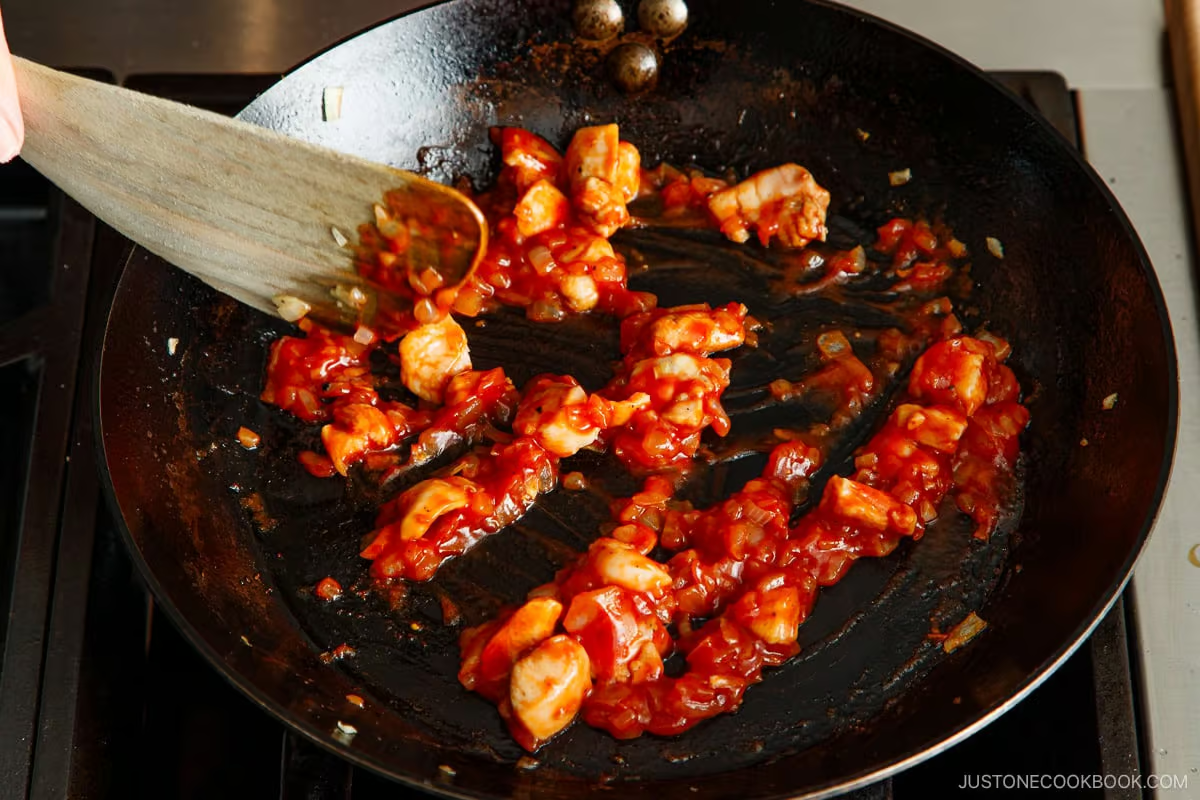
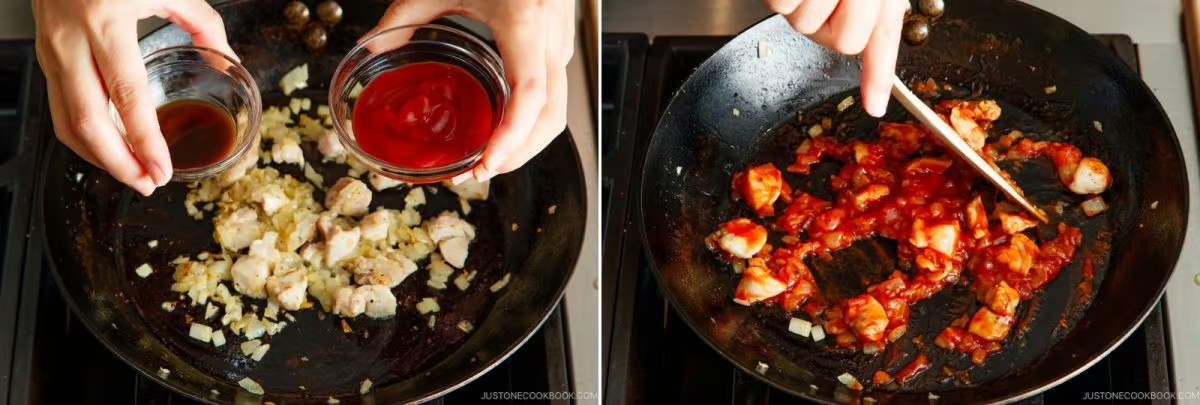
- Cook out the moisture – Reduce the ketchup and Worcestershire sauce before adding rice to mellow the acidity and avoid sogginess.
- Shape the rice first – Mold it into an oval with a small bowl and spatula before wrapping; shaping it after tends to tear the omelette.
Making the Omelette
- Opt for an 8-inch (20 cm) nonstick frying pan – If the pan is too small, it will be cramped and difficult to flip, while if it is too large, shaping can be difficult.
- Cook quickly on medium heat – Before pouring in the eggs, check the pan is hot; a drop of egg should sizzle on contact. Stir the center briefly, then remove from heat once half-cooked.
- Use chopsticks, not a spatula – They form smaller, softer curds for a custardy texture; level them before filling.
Shaping & Plating
- Cool the bottom of the pan – Placing the pan on a damp cloth keeps the omelette pale and prevents browning.
- Add rice in the middle – Center the rice on the omelette so both edges fold over evenly, then slide it to the pan’s edge before flipping onto a plate.
- Shape with a paper towel – Lay it over the plated omurice and gently mold it into a neat oval shape.

Make Ahead Tips
- Cook the rice ahead – I cook the Japanese rice the night before and store it in the fridge or freezer.
- Use the rice cooker – My Rice Cooker Ketchup Rice recipe is hands-free, so I can start it and focus on the rest of the meal.

Storage and Reheating Tips
To store: Transfer leftover chicken rice to separate airtight containers and refrigerate for up to 3 days. The chicken rice freezes for up to 1 month, but make the omelette fresh, as freezing turns it slightly rubbery.
To reheat: Microwave until warmed through.

Variations
A few creative swaps to suit your taste or pantry:
- Swap protein. Use bacon, ham, chashu pork, shrimp, or baked tofu instead of chicken thigh—or skip the protein altogether.
- Add vegetables. Stir in diced carrots, sliced mushrooms, edamame, or sliced green onions/scallions.
- Change the chicken rice seasonings. Try soy sauce, salt and pepper, curry powder, or garlic in place of ketchup.
- Swap the sauce. Top the finished omelette with Demi-Glace, Hayashi Rice sauce, Japanese curry sauce, or a creamy bechamel sauce instead of ketchup.
- Add the toppings. Serve with Hamburger Steak (Hambagu), Ebi Fry, Croquettes, or shredded cheese.
- Go hands-off. Make the chicken rice in a rice cooker with my Rice Cooker Ketchup Rice recipe—same great taste, less effort.
- Make Midnight Diner version. See the section below.
How to Make Omurice from Midnight Diner
This variation takes its name from Shinya Shokudo, the Japanese drama known in English as Midnight Diner: Tokyo Stories (Netflix in Season 1, Episode 4).
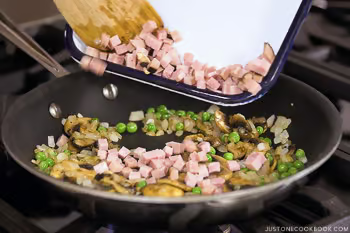
It uses the same thin, soft-cooked omelette as my classic recipe above, but swaps the fillings:
- Diced ham and sliced mushrooms instead of chicken
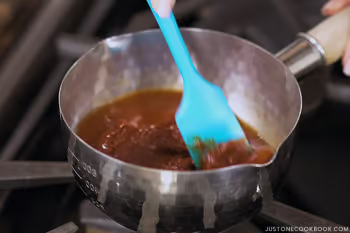
- Homemade tomato sauce instead of bottled ketchup (see Recipe Notes)
What to Serve with Omurice
Make it a complete meal with these balanced side dishes:
- Corn Potage – A creamy, sweet corn soup that complements the ketchup rice.
- Apple Walnut Salad – A crisp, refreshing mix of apples and toasted walnuts in a tart yogurt dressing.
- Miso Butter Salmon – A rich, umami-packed protein for the meal.
- Green Beans with Yuzu Vinaigrette – A bright, citrusy side that cuts through the rich, velvety egg.


FAQ
How many types of omurice are there?
There are three main styles:
- Ganso ( 元祖, “original”) – Chicken rice wrapped in a thin, fully cooked omelette and topped with ketchup, the classic yōshoku style used in this recipe.
- Fuwatoro (ふわとろ, “fluffy and runny”) – A soft, half-cooked omelette on top of the rice, sliced open right before serving so the runny egg spills over.
- Dress de omurice – A newer style where the half-cooked egg is twisted at the center and draped over a dome of rice, creating folds like the hem of a dress.
Many restaurants also add their own twists.
Do I need a special pan to make omurice?
No. I use a small frying pan, which cooks evenly without spreading too thin to fold.
Is omurice vegetarian?
No, the classic version isn’t, but swapping in tofu or extra mushrooms makes it vegetarian. The egg wrap itself is naturally vegetarian.
What can I use instead of Worcestershire sauce?
Tonkatsu sauce or soy sauce both work well and won’t change the dish much.
I’d love to hear how yours turned out! 💛 Please leave a star rating and comment below to share your experience. Your feedback not only supports Just One Cookbook but also helps other home cooks discover recipes they can trust.
Omurice (Japanese Omelette Rice)

Ingredients
For the Chicken Rice
- 2 servings cooked Japanese short-grain rice (1¾ cups, 330 g; day-old, preferably; see Notes)
- 3 oz boneless, skinless chicken thigh
- ¼ onion (4 oz, 113 g)
- 1 Tbsp green peas (cooked)
- 5 Tbsp ketchup (plus more, for garnish; I use Kagome brand)
- 1 tsp Worcestershire sauce
- ½ tsp Diamond Crystal kosher salt (divided)
- freshly ground black pepper
- 1 Tbsp unsalted butter
For the Omelettes
- 4 large eggs (50 g each w/o shell) (divided)
- ½ tsp Diamond Crystal kosher salt (divided)
- 2 Tbsp unsalted butter (divided)
Instructions
Before We Start…
- Gather all the ingredients. Reheat day-old or frozen rice in the microwave until just warm. If using freshly cooked rice, spread it on a baking sheet to cool and let excess moisture evaporate.

To Make Chicken Rice
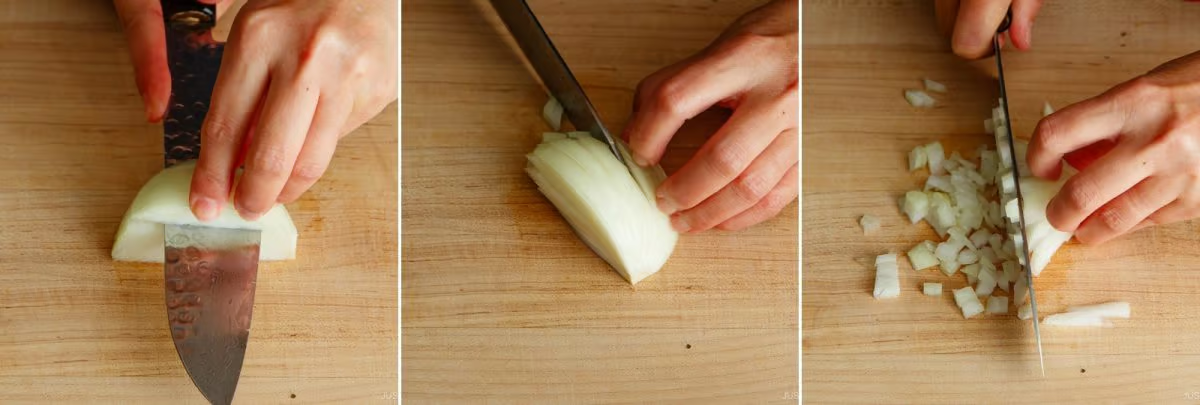
- Place ¼ onion cut-side down. Make ¼-inch horizontal cuts toward the root, then vertical cuts, and finally slice crosswise for an even dice. Mince finely into ⅛-inch (3-mm) pieces, rocking your knife through the pieces for a finer mince.
- Angle your knife back and slice 3 oz boneless, skinless chicken thigh along the grain into ½-inch (1.5 cm) strips. Slice the strips into ½-inch (1.5 cm) square pieces.Nami's Tip: This sogigiri technique creates even, thin pieces with more surface area so the chicken cooks faster and absorbs more flavor.
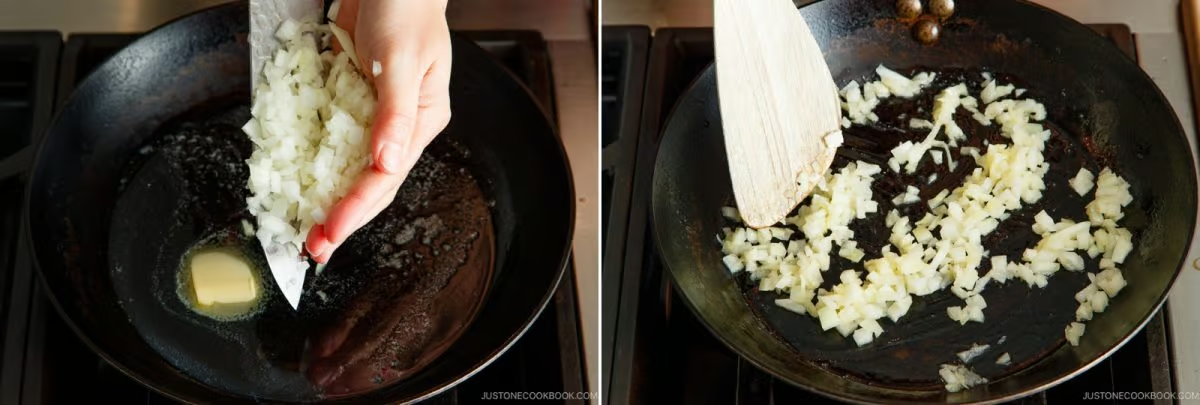
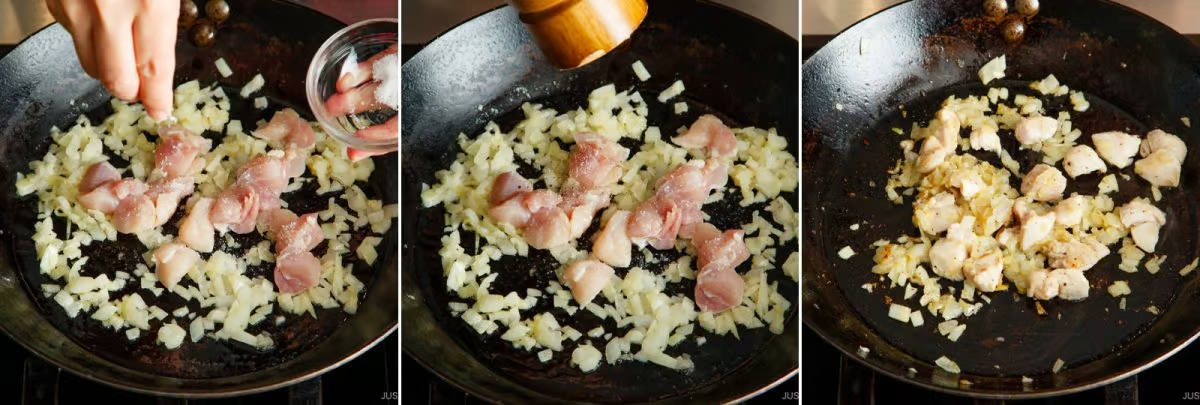
- Heat 1 Tbsp unsalted butter in a large frying pan over medium heat. Add the onion and sauté until translucent and tender.
- Add the chicken and season it with ¼ tsp salt and freshly ground black pepper. Cook until no longer pink.
- Reduce the heat slightly. Add 5 Tbsp ketchup and 1 tsp Worcestershire sauce. Stir until the excess moisture evaporates.Nami's Tip: Cooking out the moisture keeps the rice from turning mushy.
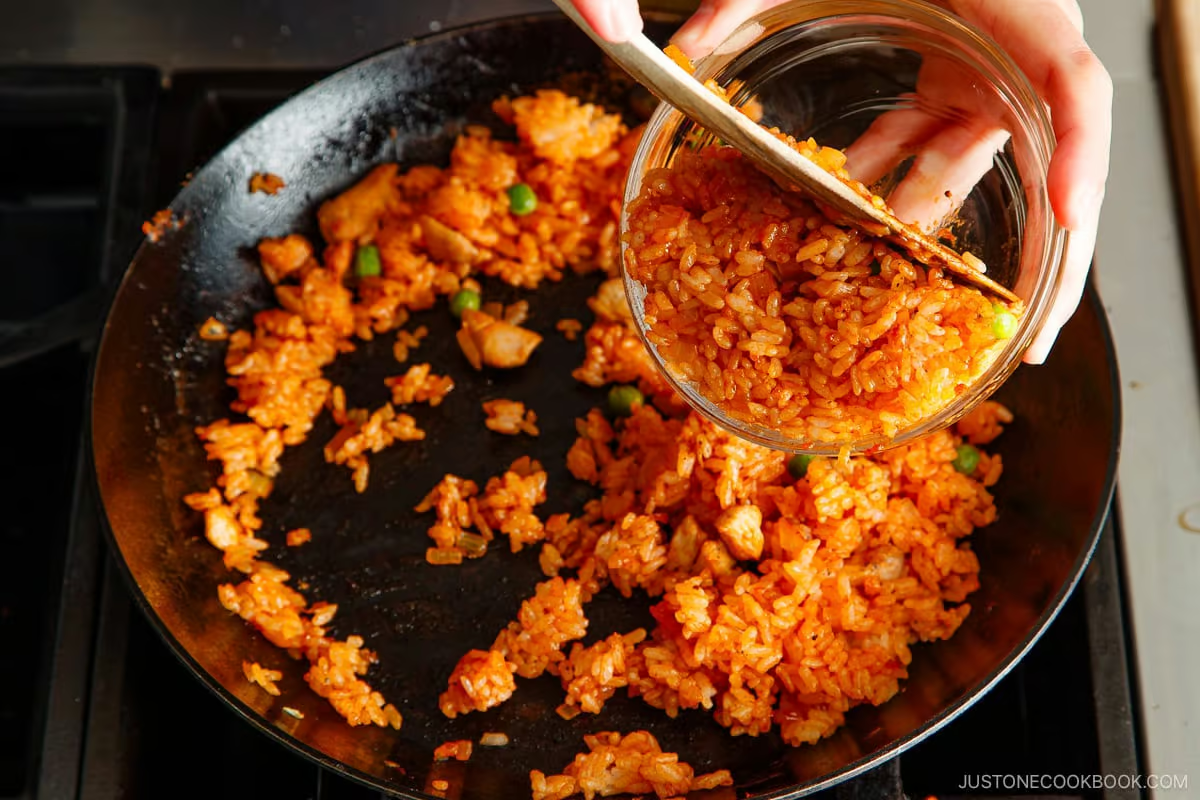
- Add 2 servings cooked Japanese short-grain rice. Break up clumps using a cutting motion with your spatula.
- Season with ¼ tsp salt and freshly ground black pepper.
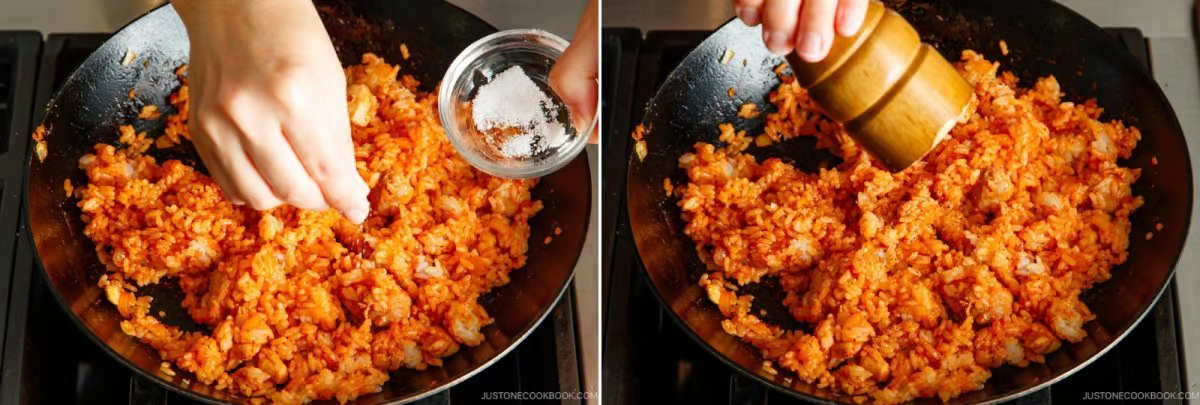
- Add 1 Tbsp green peas and toss until warmed through. Remove from the heat. Divide the rice into 3 portions. Use 2 portions for this recipe and freeze the rest for later.Nami's Tip: Shape each portion into an oval using the side of a small bowl and a spatula before placing it on the omelette.

To Make the Omelette
- Make one omurice at a time. Crack 2 large eggs into a small bowl. Beat in a zigzag motion, cutting through the whites instead of whisking. Add ¼ tsp salt, stir to combine, then strain through a fine-mesh strainer.Nami's Tip: Straining removes the chalazae—the stringy white bands attached to the yolks—for a uniform, silky-smooth texture.
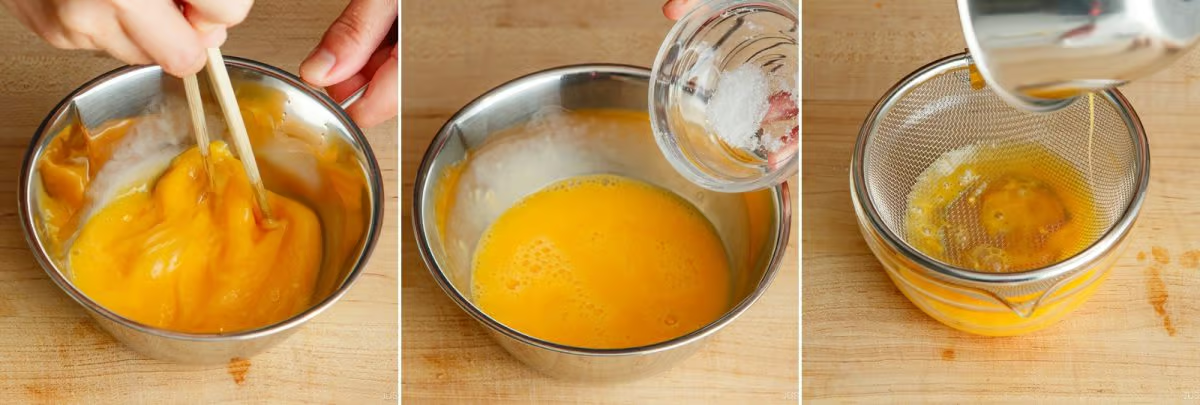
- Prepare the damp cloth on the counter for cooling the pan later. Heat 1 Tbsp unsalted butter in the pan over medium heat and coat the surface well.Test if the pan is hot with a drop of egg mixture—if it sizzles, the pan is ready. Pour in the eggs.
- Stir the eggs quickly in a spiral motion with cooking chopsticks while shaking the pan.Tilt to spread the uncooked egg around the edges. The curds should be soft, creamy, and custardy.Stop once the eggs are half-cooked, then level the curds so there are no lumps or holes.Nami's Tip: Cooking chopsticks form smaller, more even curds than a silicone spatula.
To Wrap the Chicken Rice
- Place 1 portion of chicken rice in the center of the omelette. Extend it slightly to the sides and shape it into a football shape, without disturbing the omelette. Turn off the heat.
- Set the pan on the damp cloth to cool. Tilt the pan away from you and fold the near side of the omelette over the rice. Slide the omelette to the far edge of the pan. Wrap the far side of the omelette over the rice.Nami's Tip: The damp cloth keeps the omelette from browning as you wrap the rice, for a more beautiful finish.
- Tilt a plate against the edge of the pan. Flip the pan over and transfer the omelette onto the plate, seam side down.
To Shape and Serve
- Shape the omurice into an oval shape with a paper towel and your hands. Top with a dollop of ketchup or drizzle it in a zigzag pattern.
To Store
- Keep leftovers in an airtight container and refrigerate for up to 3 days or freeze for up to 1 month.
Notes
-
- Rice: Use day-old cooked rice from the fridge—its drier grain stay separate in the pan. Reheat in the microwave until room temperature or slightly warm; frozen rice works the same way. If using freshly cooked rice, spread it on a baking sheet to cool completely and let excess moisture evaporate.
- Cooking Japanese rice: 1 rice cooker cup (180 ml, ¾ US cup, 150 g) of uncooked Japanese short-grain rice yields about 2 servings (1¾ US cups, 330 g) cooked. See my recipes for rice cooker, stovetop, Instant Pot, and donabe.
- Ketchup: I highly recommend Japanese Kagome ketchup for authentic flavor.
- Midnight Diner Tomato Ketchup Sauce: Whisk 3 Tbsp ketchup, 3 Tbsp tomato paste, and 2 Tbsp water in a saucepan and simmer until combined.
- Swap protein. Use bacon, ham, chashu pork, shrimp, or baked tofu instead of chicken thigh—or skip the protein altogether.
- Add vegetables. Stir in diced carrots, sliced mushrooms, edamame, or sliced green onions/scallions.
- Change the chicken rice seasonings. Try soy sauce, salt and pepper, curry powder, or garlic in place of ketchup.
- Swap the sauce. Top the finished omelette with Demi-Glace, Hayashi Rice sauce, Japanese curry sauce, or a creamy bechamel sauce instead of ketchup.
- Add the toppings. Serve with Hamburger Steak (Hambagu), Ebi Fry, Croquettes, or shredded cheese.
- Go hands-off. Make the chicken rice in a rice cooker with my Rice Cooker Ketchup Rice recipe—same great taste, less effort.
- Make Midnight Diner version. See the section below.
Nutrition
Did you make this recipe?
Tag @justonecookbook on Instagram so we can see your delicious creation!
Editor’s Note: This post was originally published on August 14, 2012. It was updated with a revised recipe and updated images on May 7, 2024, followed by a new video tutorial on November 15, 2024. It was republished with even more cooking tips for the best results on August 10, 2026.
