


Recipe Highlights
This Pickled Daikon recipe is one of my favorite ways to use this Japanese radish any time of year, especially in winter when daikon turns juicy and mild. A short soak in rice vinegar, sugar, and salt tames the radish’s sharp edge into a clean, refreshing pickle. I keep a batch in the fridge as a palate cleanser for richer meals.
Here’s why I keep coming back to this recipe:
- Beginner-friendly introduction to Japanese pickling
- Ready in about 2 hours, no overnight wait
- Pantry-friendly ingredients that pair with many cuisines
If you love Japanese pickles, try my Japanese Pickled Cabbage, Asazuke, and Japanese Pickled Cucumber next!

What is Pickled Daikon?
Pickled daikon (大根の漬物) is a quick pickle (asazuke-style) made from daikon, the large white radish often used in soups, simmered dishes, salads, and pickles.
It’s crisp and tangy-sweet, different from fermented, yellow takuan you may recognize from Japanese restaurants.
Like other tsukemono (漬物, pickled vegetables), it’s a daily staple on the Japanese table—served alongside rice and miso soup, or used to cut through richer dishes.
Ingredients for Pickled Daikon
- Daikon radish – large white Japanese radish, available year-round but best in winter
- Dried red chili pepper – optional, for mild heat
- Brine – unseasoned rice vinegar, sugar, and kosher salt
- Sake – optional
Find the printable recipe with measurements below.
Jump to RecipeHow to Make Pickled Daikon
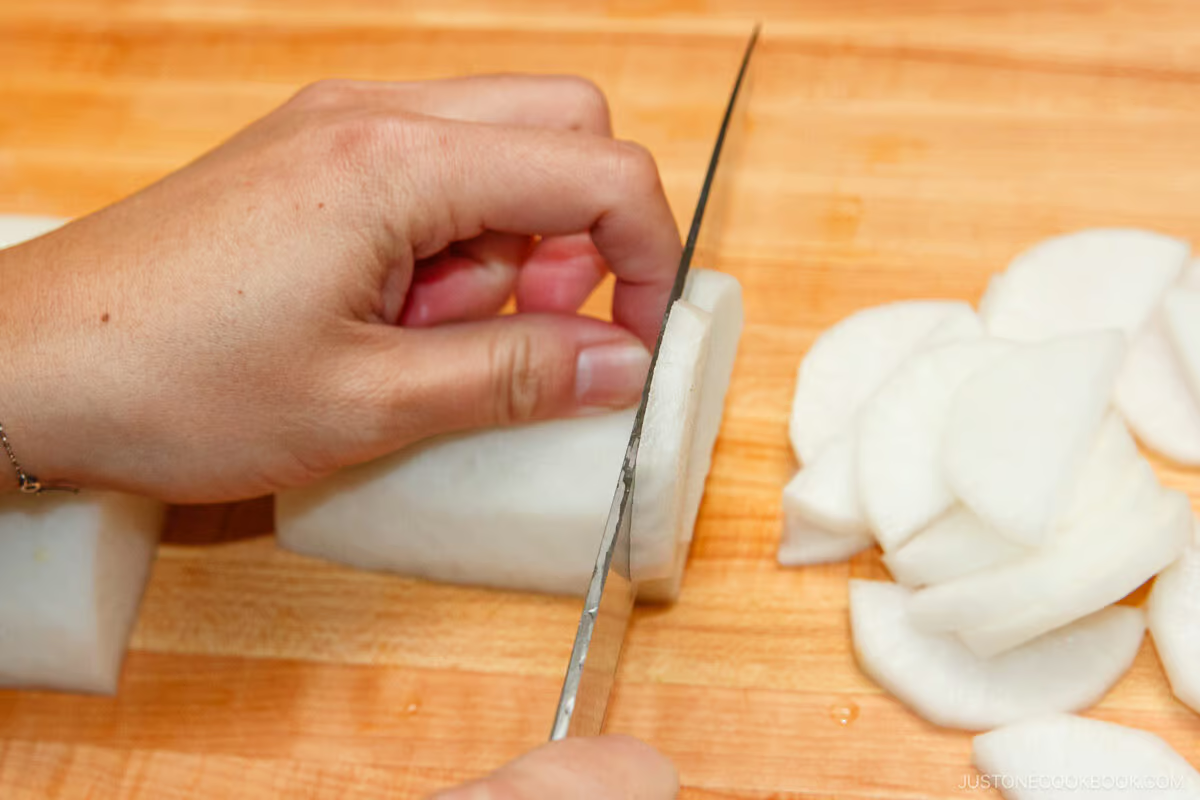
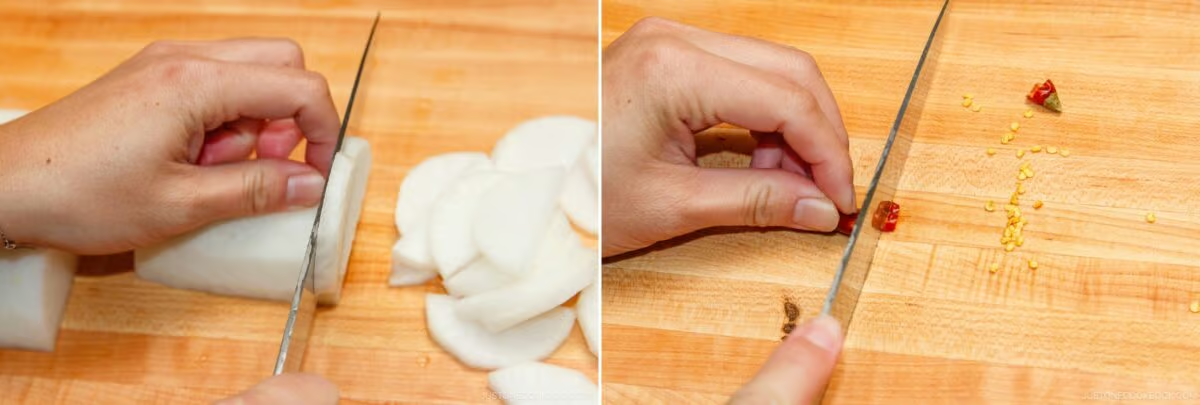
- Slice the daikon. Peel the daikon and halve it lengthwise. Cut it crosswise into ¼-inch (6 mm) half-moons. Slice the chili into small pieces.
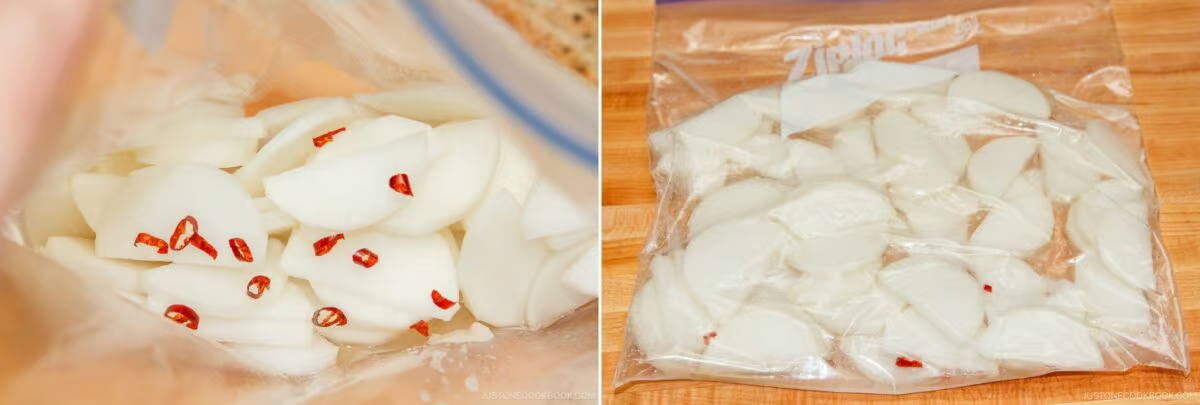
- Add the brine. Combine daikon, chili, and brine ingredients in a resealable bag. Rub the bag to coat everything evenly.
- Pickle and chill. Press out the air, seal the bag, and refrigerate for 2 to 3 hours.
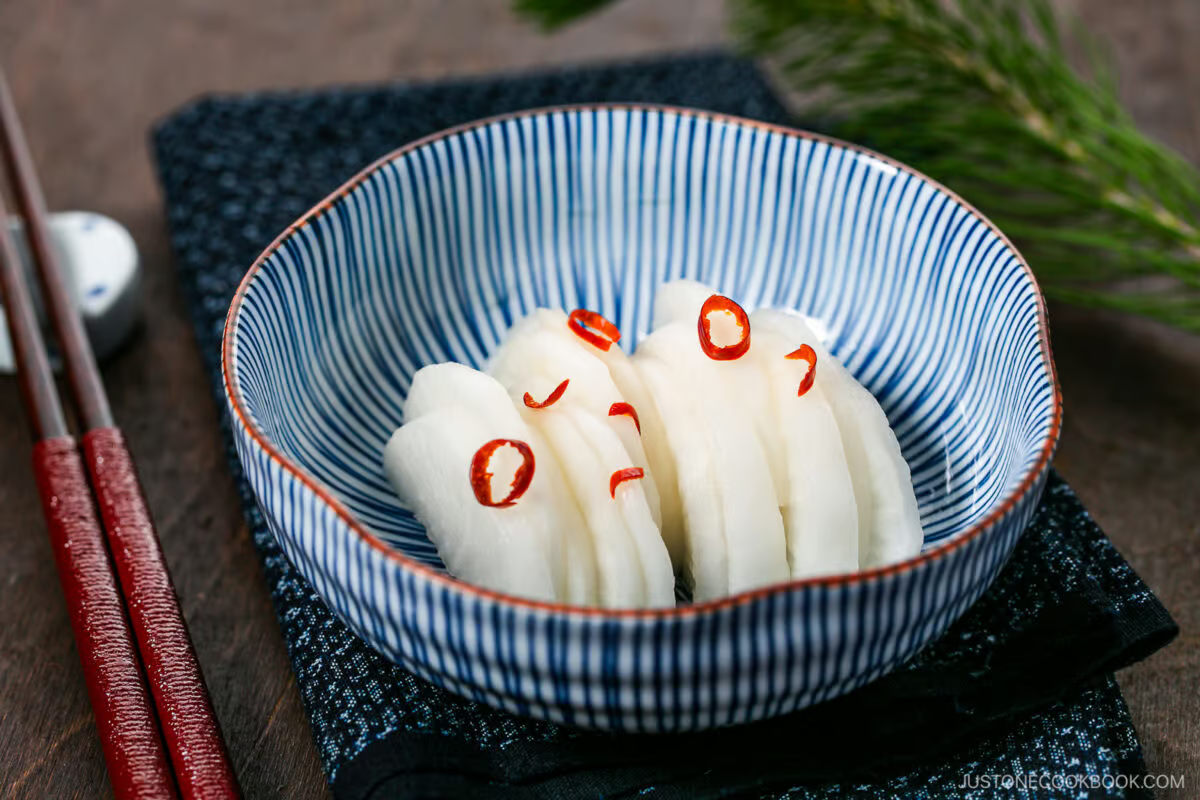
- Serve. Lift the daikon from the pickling liquid and serve.


Nami’s Recipe Tips
Keep these tips in mind for the best results every time.
- Pick the freshest daikon – Choose one that feels heavy with smooth skin. A whole daikon with its green top still attached signals freshness.
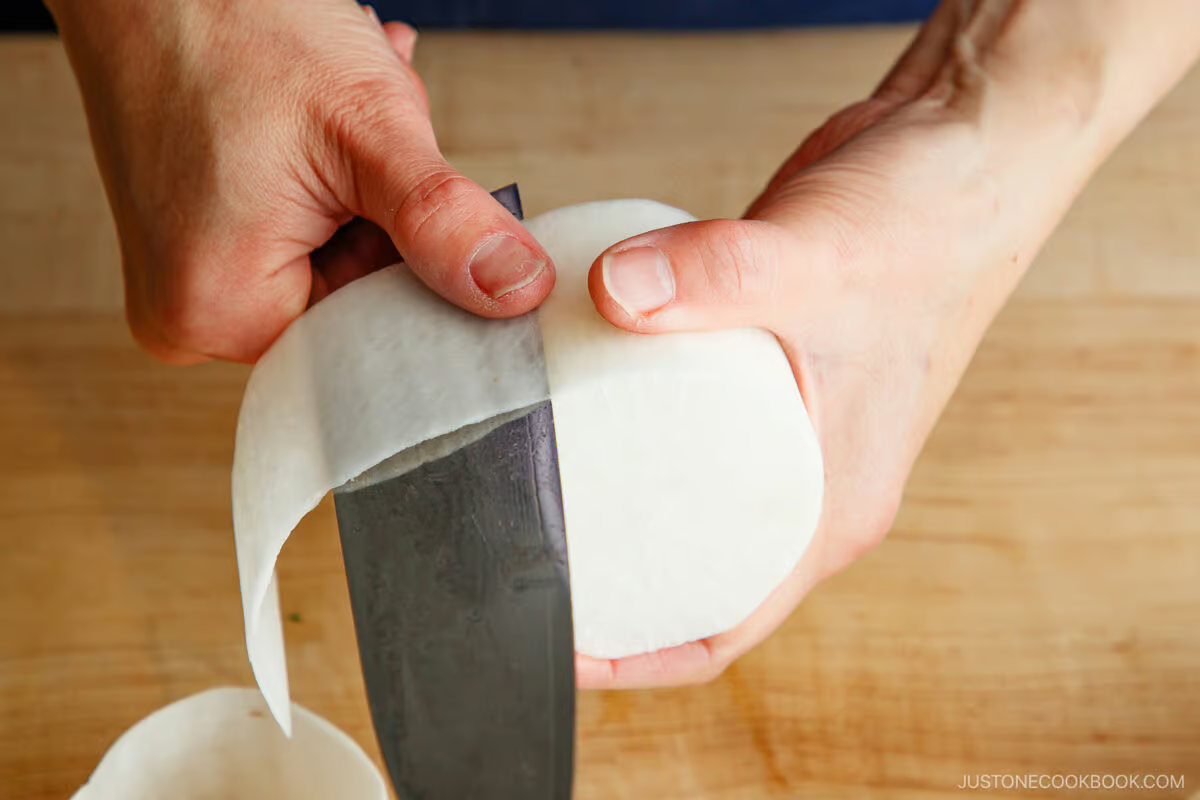
- Peel off a thicker layer of skin – Daikon’s pungent compound (isothiocyanate) concentrates near the skin, especially toward the bottom and in bitter daikon (the green top is milder). Peeling 2–3mm removes that sharpness and lets the natural sweetness come through.
- Larger cuts, longer pickle time – For a heartier bite, cut daikon into lengthwise halves or quarters instead of half-moons, and extend pickling to half a day or overnight so the brine has time to penetrate.
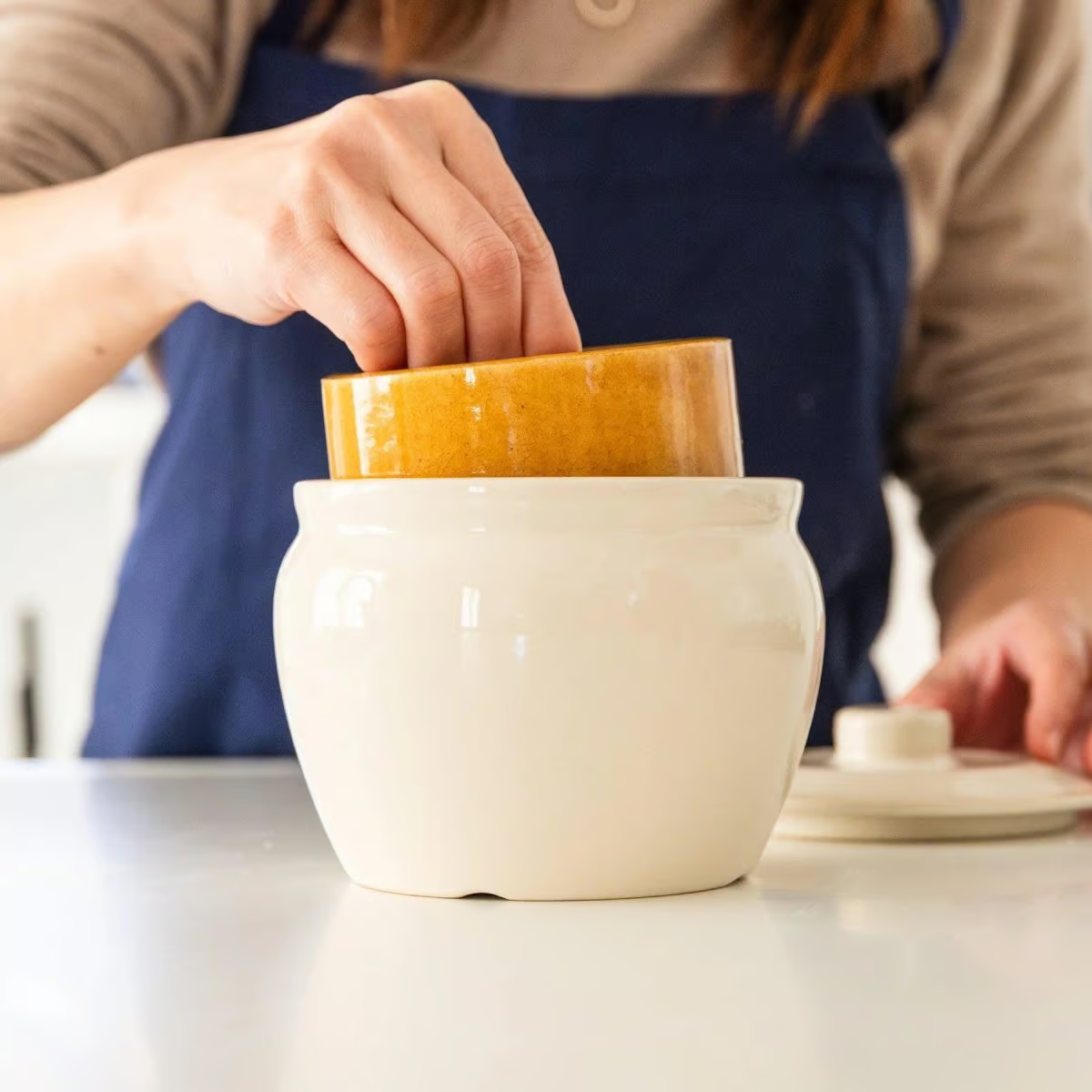
- Prefer not to use plastic? – Swap the bag for ceramic pickle jar with a weight. It’s traditional and keeps the daikon fully submerged in the brine.
- Stick with unseasoned rice vinegar – Its mild, gentle tang suits the sweet brine. I don’t recommend apple cider vinegar, white vinegar, or other types here.

- Measure salt and sugar precisely – Daikon releases a lot of water as it pickles, and the sugar-salt ratio balances that dilution. Use the full amounts listed rather than reducing them.
- Tame the heat – Shake the seeds out of the dried red chili pepper for gentle warmth instead of a sharper kick.
- Save the green tops – Chop the leaves for Miso Soup or Daikon Leaves Furikake so nothing goes to waste.


Make Ahead Tips
- Pickle the morning of – Make a batch a few hours before dinner, giving the daikon time to chill and turn crisp.
Storage Tips
To store: Transfer to an airtight jar and refrigerate for 4–5 days. It’s best consumed sooner, as the odor grows stronger over time. If too salty, pour off some liquid and reseal.
Variations
A few easy swaps to suit your taste or pantry.
- Add carrot. Toss in carrot slices for color and a sweeter bite, like in my Tsukemono – Amazuzuke recipe.
- Make it spicy. Add more dried chili pepper or red chili flakes for extra heat.
- Use citrus peel. Toss in a strip of lemon or yuzu peel for a citrusy punch.
- Add umami. Put a small piece of kombu (dried kelp) in the pickling liquid for savory depth.

What to Serve with Pickled Daikon
Pickled Daikon shines alongside rich, fatty, or savory foods. It also rounds out a traditional ichiju sansai (一汁三菜) meal. Here are some mains I love:
- Miso Cod – The tangy pickle cuts the richness of this sweet-savory grilled fish.
- Agedashi Tofu – These pickles refresh the palate between rich, savory bites.
- Instant Pot Asian Pulled Pork – Pile the Japanese daikon pickles onto a rich pork slider or rice bowl for a fresh complement.
- BBQ Short Ribs – The bright radish lightens the smoky, fatty meat.


FAQ
What does daikon taste like?
Daikon is much milder than small red radishes. Raw, it has a refreshing, crunchy texture and a light peppery taste. When you boil or pickle daikon, it turns tender and juicy.
Do I need to peel the daikon?
Yes, we usually peel it. Daikon’s pungent compound (isothiocyanate) concentrates near the skin, especially toward the bottom. Therefore, for Japanese cooking, we usually remove it. Peeling gives a cleaner crunch and helps the brine soak in evenly.
Can I make a double batch?
Yes. My Japanese pickled daikon recipe uses about half a large daikon. Doubling lets you finish the whole radish. Keep the brine ratio the same and use a larger bag or jar.
Are these pickles eaten on their own?
Not usually. In Japan, we enjoy pickles as a bright counterpoint between dishes or bites. We call this hashi yasume (箸休め), or “rest for your chopsticks.” I serve a few slices next to rice and a main dish, not as a salad.
I’d love to hear how yours turned out! 💛 Please leave a star rating and comment below to share your experience. Your feedback not only supports Just One Cookbook but also helps other home cooks discover recipes they can trust.
Pickled Daikon

Ingredients
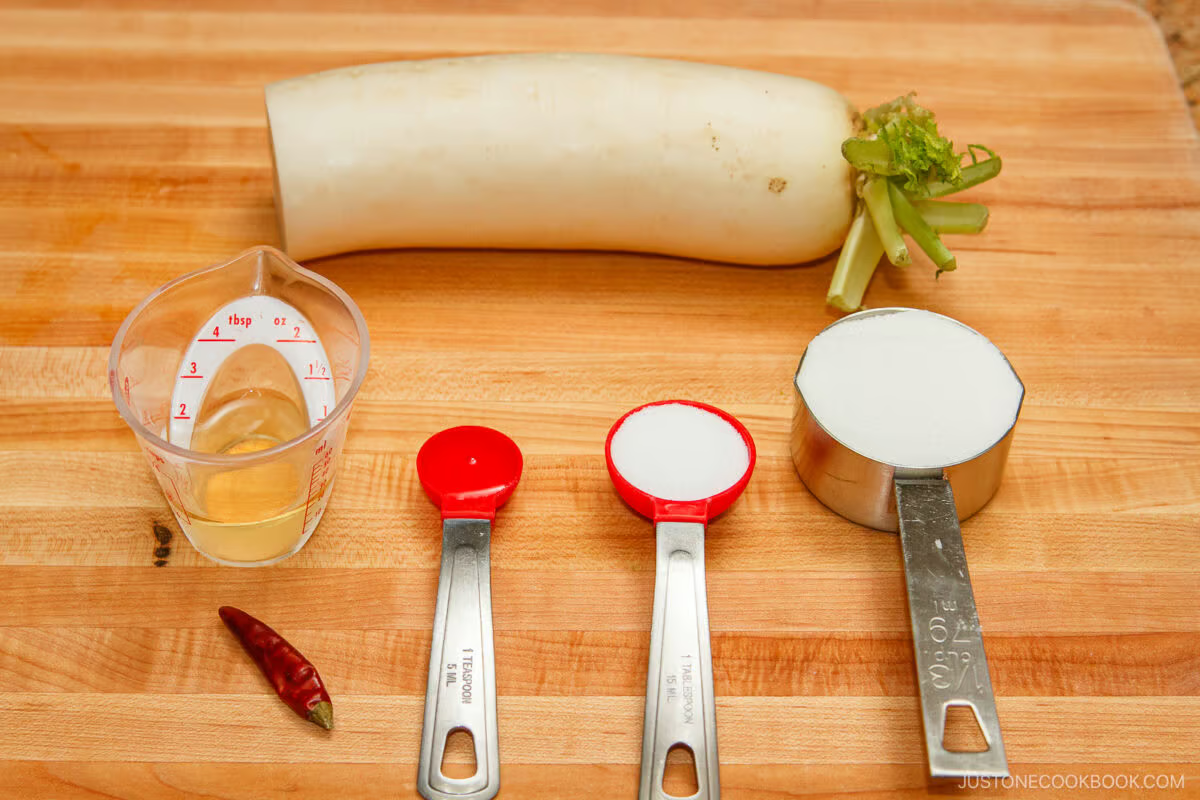
- 1 lb daikon radish (about ½ large daikon)
- 1 dried red chili pepper
- 2 Tbsp rice vinegar (unseasoned)
- ⅓ cup sugar (5 Tbsp)
- 1 Tbsp Diamond Crystal kosher salt
- 1 tsp sake (optional)
Instructions
Before You Start
- This recipe requires 2 hours of pickling time. If you prefer larger pieces—for a heartier bite or to cut into sticks later—you can leave the daikon in lengthwise halves or quarters instead of half-moons. Just extend the pickling time to half a day up to overnight, since thicker pieces take longer for the brine to penetrate.Gather all the ingredients.
To Prepare the Ingredients
- Peel off a thicker layer of skin (⅛ inch, 3 mm). Cut 1 lb daikon radish lengthwise in half. Slice it crosswise into half moons about ¼ inch (6 mm) thick. Cut 1 dried red chili pepper crosswise into small pieces. Nami's Tip: Daikon's pungent compound (isothiocyanate) concentrates near the skin—peeling a thicker layer reduces sharpness and brings out its natural sweetness.
To Pickle
- Put the daikon and chili pepper in a resealable bag or a ceramic pickle jar with weights. Add 2 Tbsp rice vinegar (unseasoned), ⅓ cup sugar, 1 Tbsp Diamond Crystal kosher salt, and 1 tsp sake (optional). Rub through the bag to distribute the seasonings. Press out the air and seal the bag. Let it rest for 2 hours in the refrigerator. Note: If cutting the daikon in half or quarters lengthwise instead of half-moons, extend the pickling time to half a day up to overnight.Nami's Tip: I highly recommend storing it airtight—pickled daikon can give off a strong smell in the fridge as it sits.
To Serve
- Remove from the pickling solution, drain briefly, and serve. Discard the solution.
To Store
- Transfer to an airtight jar and refrigerate for 4–5 days. It's best consumed sooner, as the odor grows stronger over time. If too salty, pour off some liquid and reseal.
Nutrition
Did you make this recipe?
Tag @justonecookbook on Instagram so we can see your delicious creation!
Editor’s Note: This post was originally published on January 22, 2013, and republished with more helpful information on July 24, 2026.
