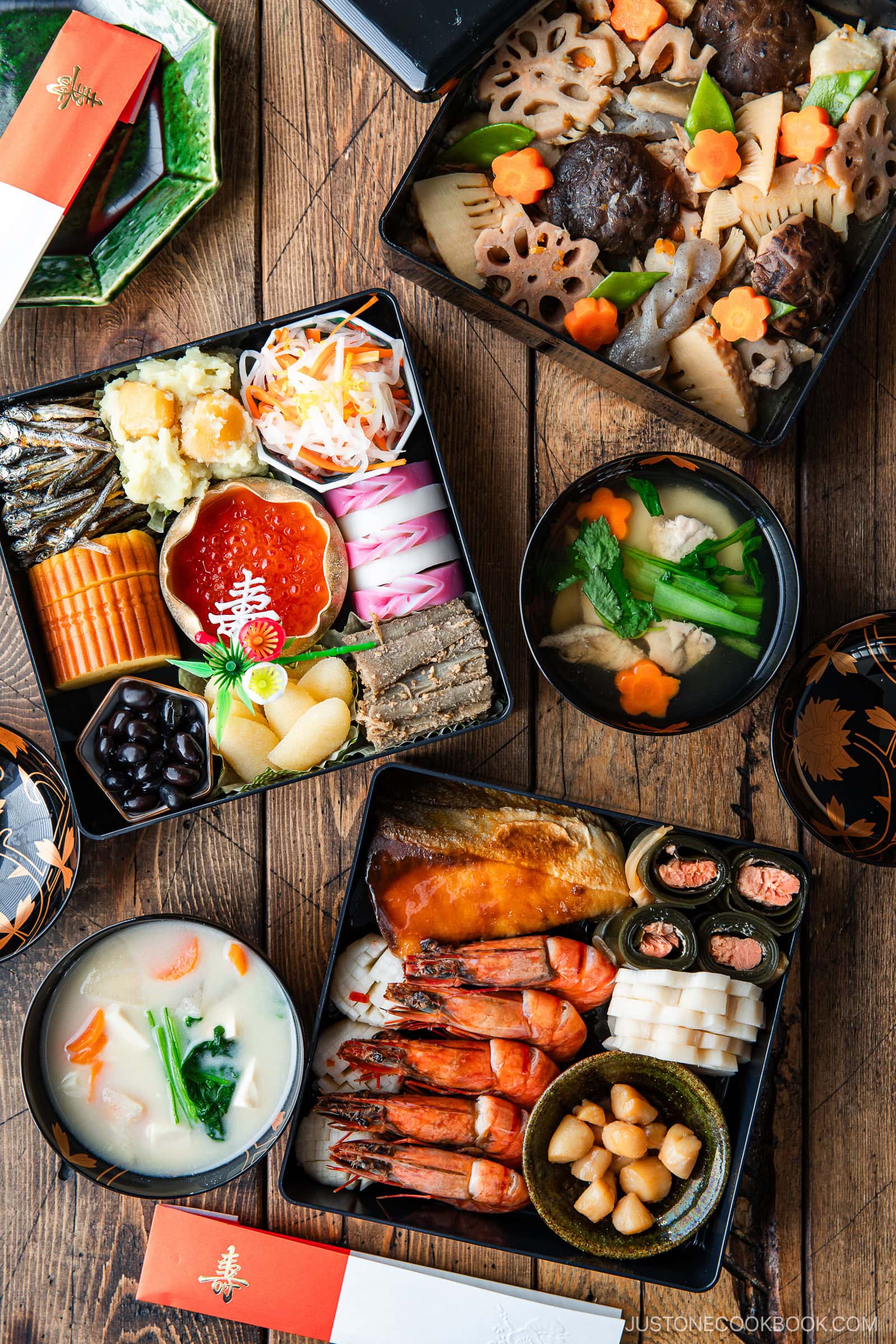
From kuromame (sweet black soybeans) to ozoni (mochi soup), I’ve gathered the most popular osechi ryori recipes to help you celebrate Japanese New Year. Each recipe includes a step-by-step guide and video so you can follow the instructions with confidence.
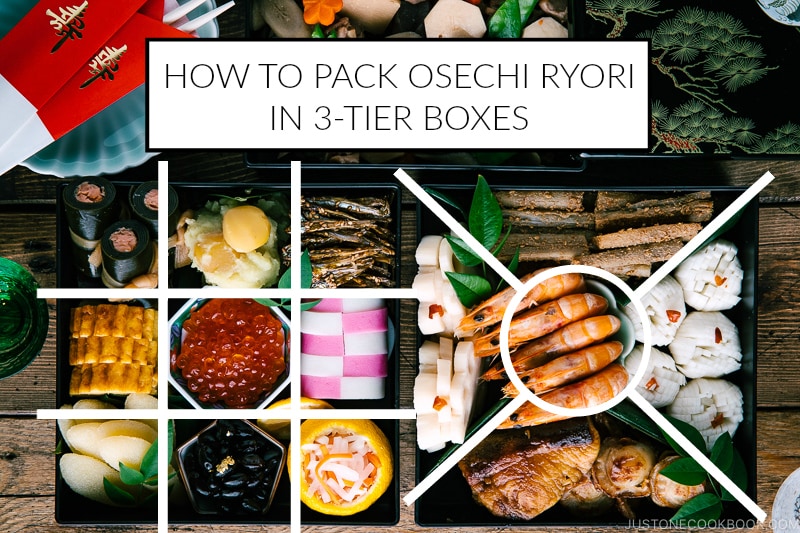
To celebrate the Japanese New Year (Oshogatsu), families enjoy a beautiful spread of osechi ryori (おせち料理) or osechi—traditional dishes packed in lacquered boxes. Each dish carries a symbolic meaning for good health, happiness, and prosperity in the year ahead.
In this post, I’ve gathered the most popular osechi dishes so you can discover new favorites, learn the traditions behind each one, and prepare your own festive New Year feast at home.
Nami’s Guide for Osechi Ryori
If you’re planning your New Year menu, these guides will help you every step of the way:
Ultimate Guide to Osechi Ryori– Learn what osechi is, the meaning behind each dish, and how to customize, plan, store, and reheat.
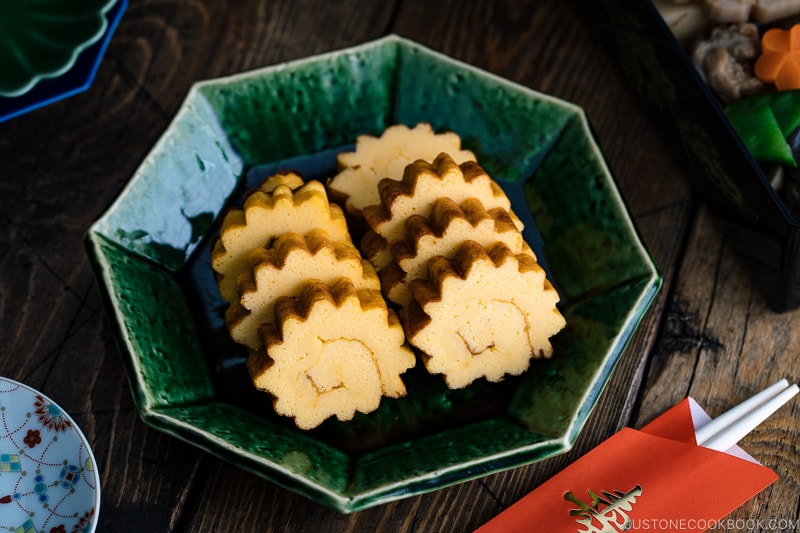
Oven-baked and shaped into a cylinder, Datemaki (Japanese Sweet Rolled Omelette) is a must-have dish for New Year’s Day. Similar to tamagoyaki, this sweet-savory omelette is tender and moist inside with a golden-brown exterior and cheerful spiral shape.It’s by far my favorite among the New Year foods!
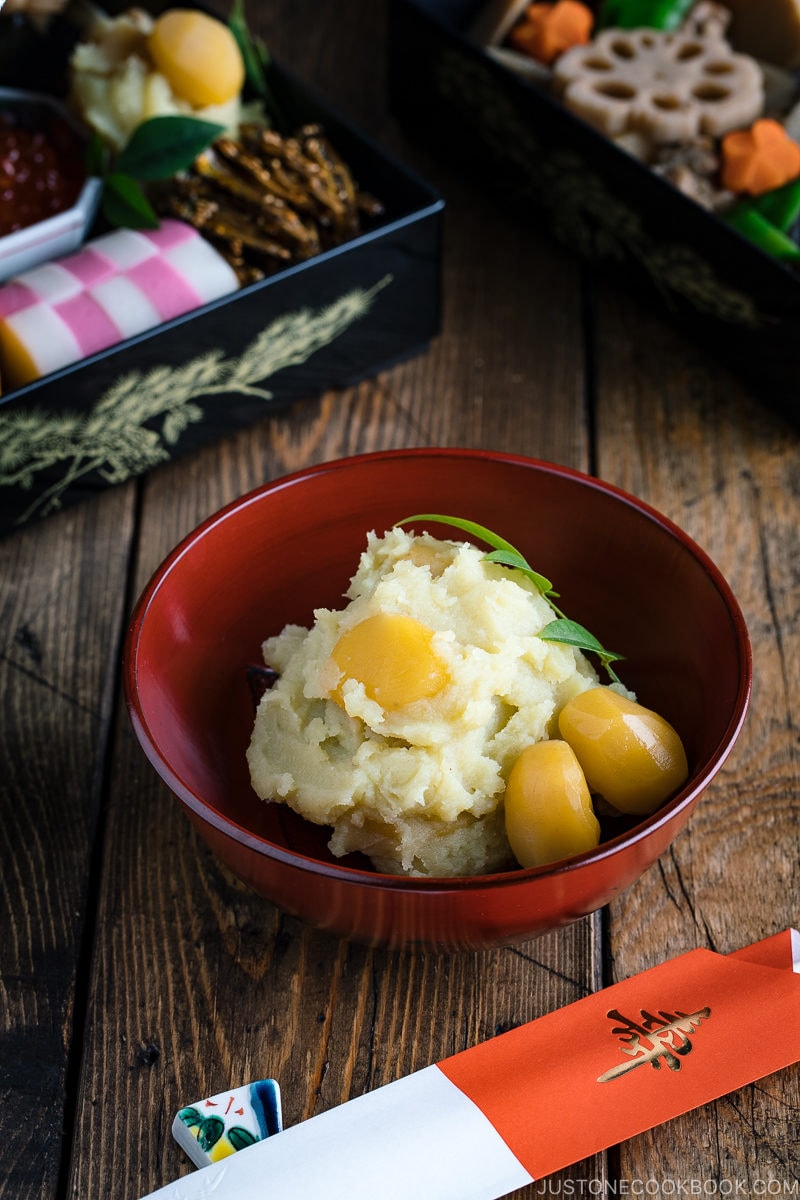
Kurikinton literally means “chestnut gold mash” and symbolizes economic fortune and wealth. This dish is meant to bring good luck and prosperity. If you make it, be sure to use Japanese sweet potatoes for their bright yellow color.
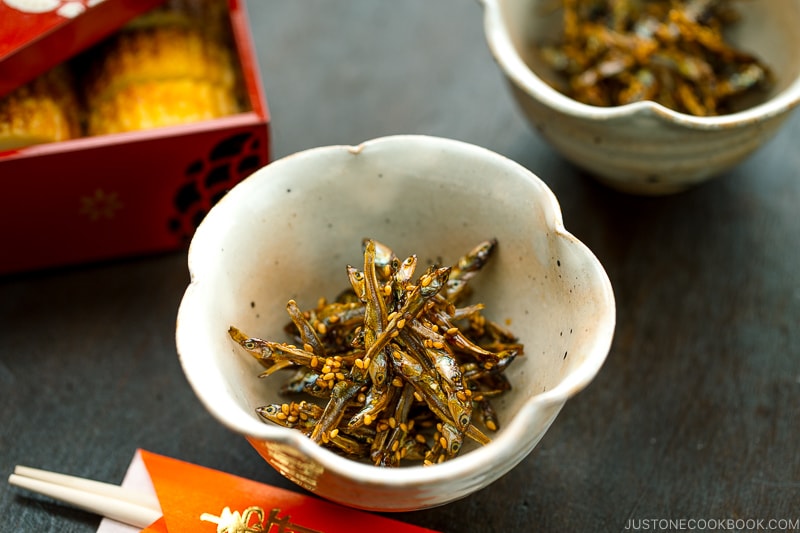
Tazukuri is made of roasted baby sardines coated in a sweet soy sauce glaze, and is a popular snack in osechi ryori. We eat it on New Year’s Day because it symbolizes a bountiful harvest. You can also enjoy these candied anchovies with a cold beer anytime of the year!
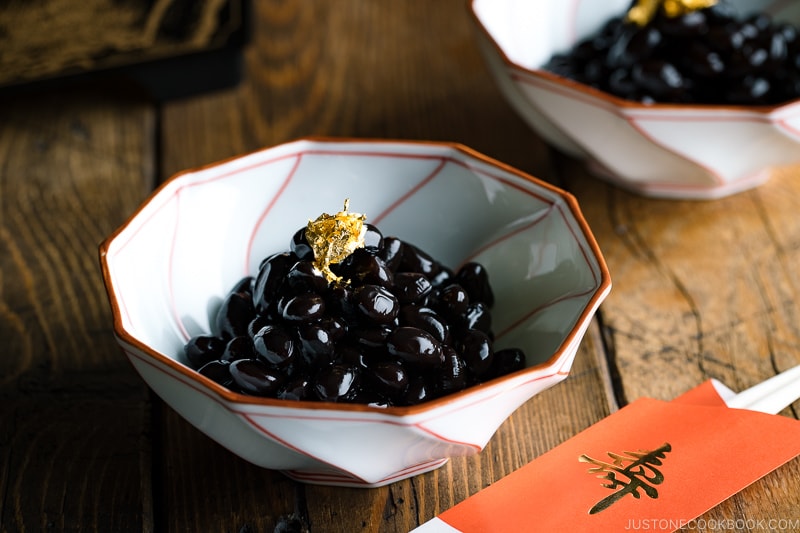
These shiny Sweet Black Soybeans (Kuromame) are an essential part of the New Year feast. Their glossy black color creates a beautiful contrast against the red lacquer jubako and the other colorful dishes. Eating these beans symbolizes good health for the coming year. Sweet with a hint of savory, they are deliciously addictive!
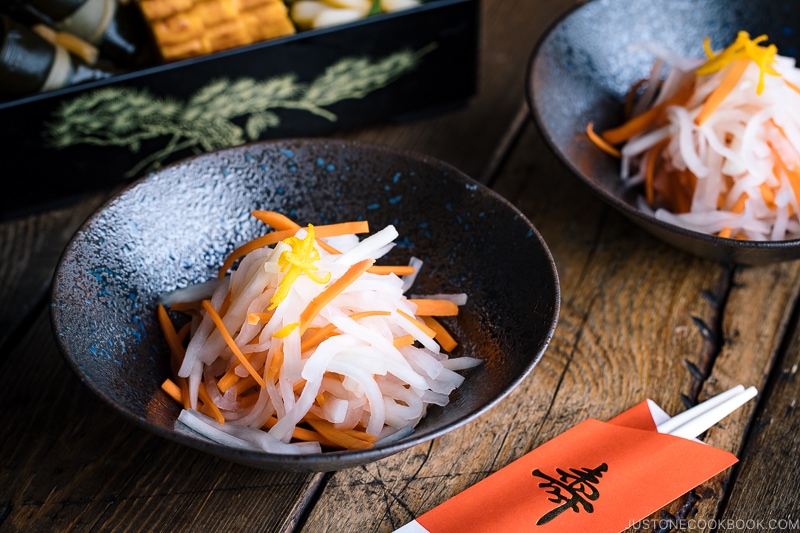
Namasu is a refreshing salad made of carrot and daikon radish lightly pickled in sweetened vinegar. Because red and white are considered celebratory colors in Japan, you’ll see these hues used in many traditional ceremonies. Crunchy, tangy, and bright in flavor, namasu is also enjoyed year-round as a light, refreshing dish.
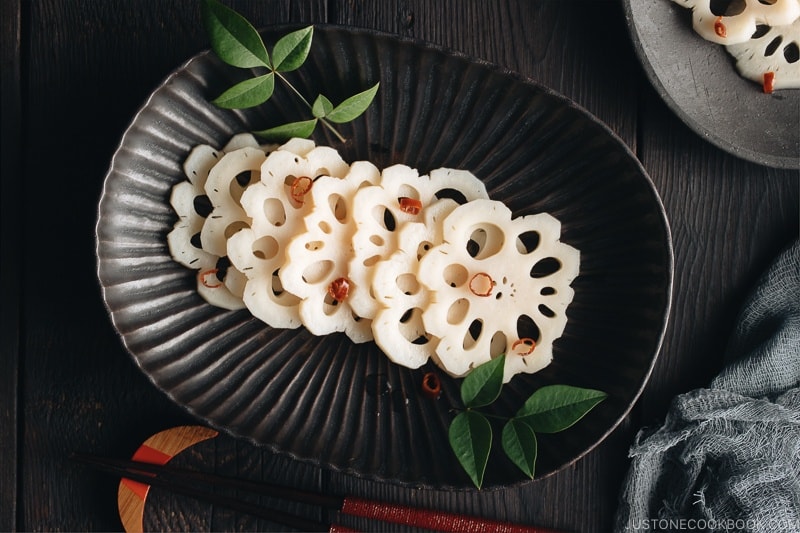
Marinated in sweetened vinegar, Pickled Lotus Root or Su Renkon is tender yet crunchy. Its tangy, refreshing flavor makes it a perfect palate cleanser between all the richly seasoned dishes.
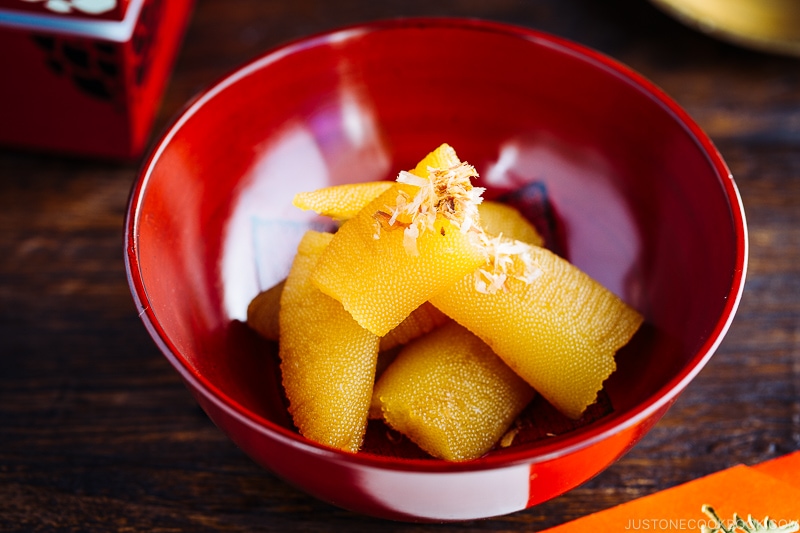
We enjoy this golden-colored Kazunoko (herring roe) as it symbolizes a prosperous family and many children. This prized delicacy has a unique crunchy texture and is one of the most popular dishes in osechi.
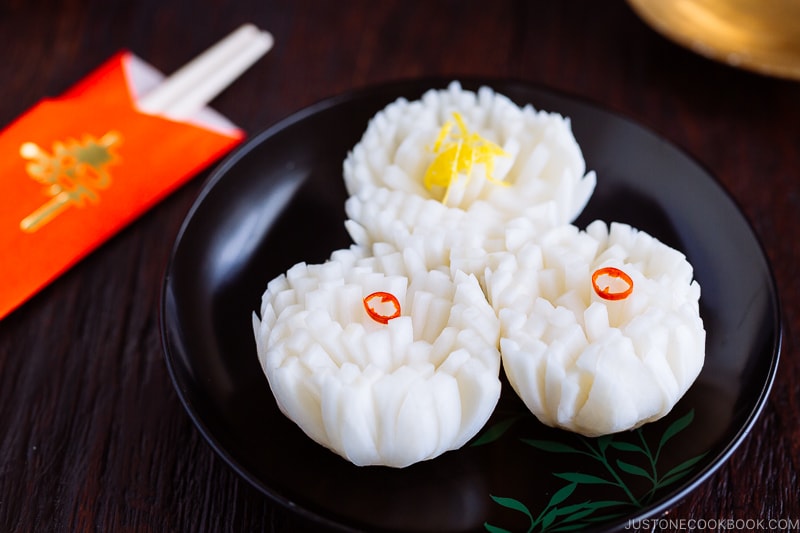
These beautiful Pickled Chrysanthemum Turnips (Kiku Kabu) are a striking addition to your osechi ryori spread. With just basic cutting skills, you can prepare these crunchy, sweet, and tangy pickles in advance.
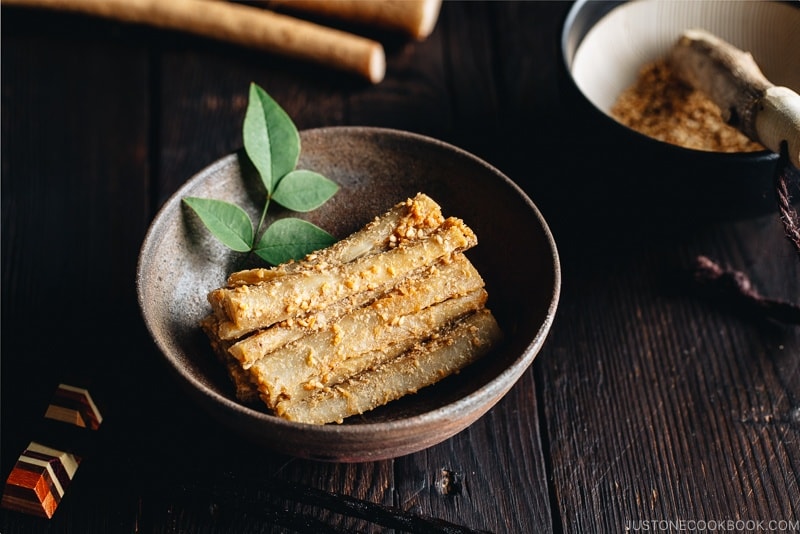
Dressed in a savory sesame sauce, Pounded Burdock Root (Tataki Gobo) is full of earthy and nutty flavor. Because burdock root grows deep into the ground, this dish symbolizes household and family stability for the coming year.
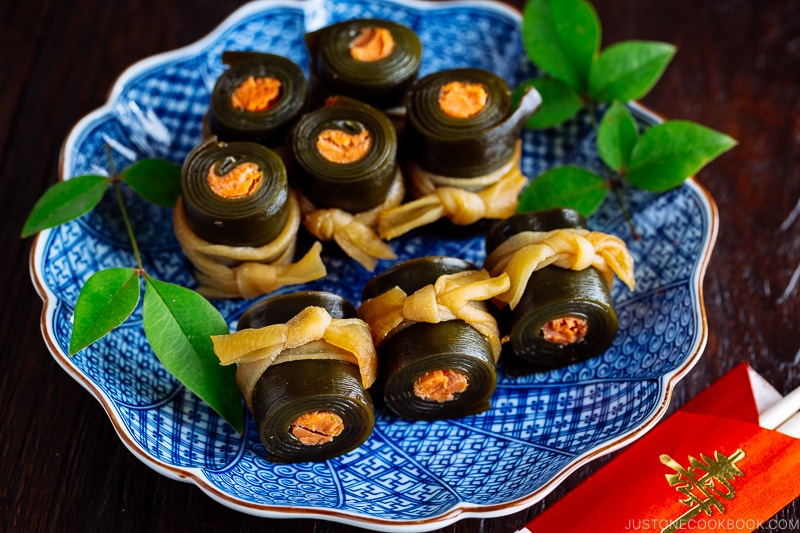
Salmon Kombu Roll features flavorful salmon rolled in kombu and tied with kanpyo (dried gourd strips). This dish symbolizes the secrets of perennial youth and long life. They’re so delicious, you may be tempted to enjoy more than one of these exquisite appetizers!
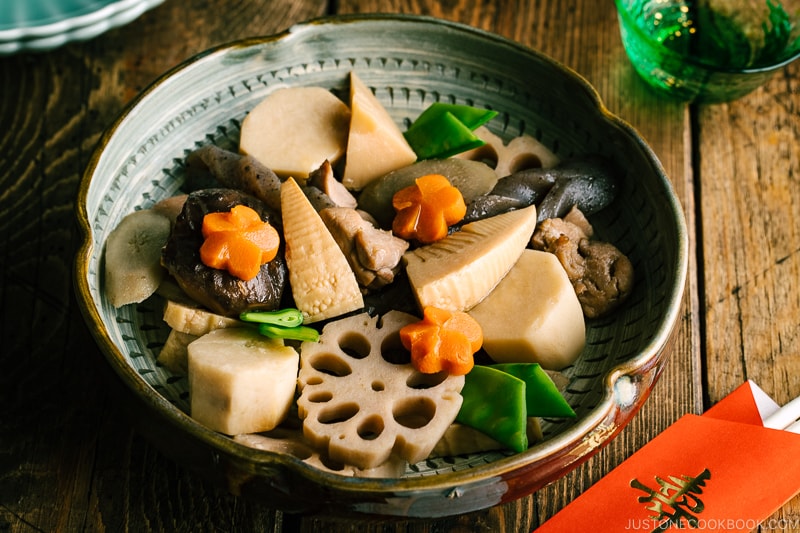
Chikuzenni is a classic Japanese dish often served on New Year’s Day, though my mom makes it regularly because it was my family’s favorite nimono (Japanese simmered dish). It’s also a popular side for bento, as it can be made in advance and tastes just as delicious at room temperature.
Simmered Shrimp (Ebi no Nimono) adds a bright vermilion color and savory flavor to your Japanese New Year feast. Symbolizing long life, the shrimp are always served with their heads and shells on for a beautiful and festive presentation.
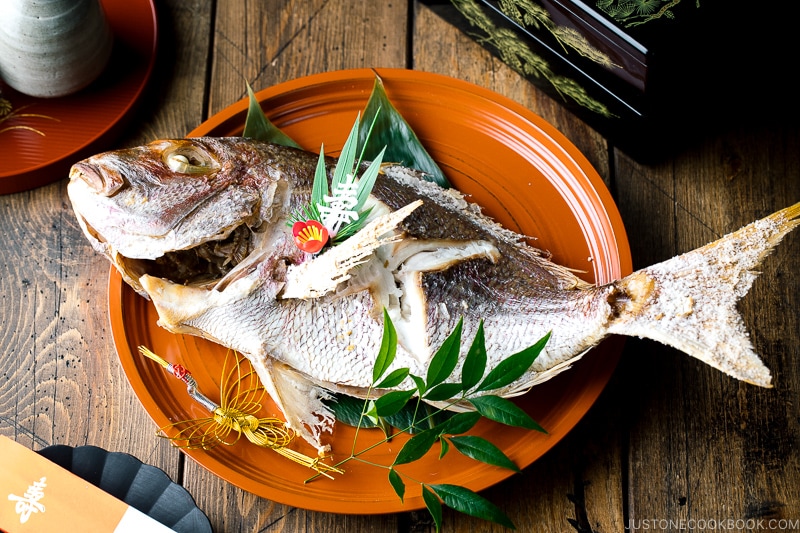
Sea bream (or tai) has long been served in Japan during celebrations as a symbol of good luck and happiness. Its shiny red color and whole shape make it perfect for festive occasions. I like to present my New Year’s table with a whole Japanese baked sea bream, paired alongside multi-layered osechi boxes for a truly celebratory spread.
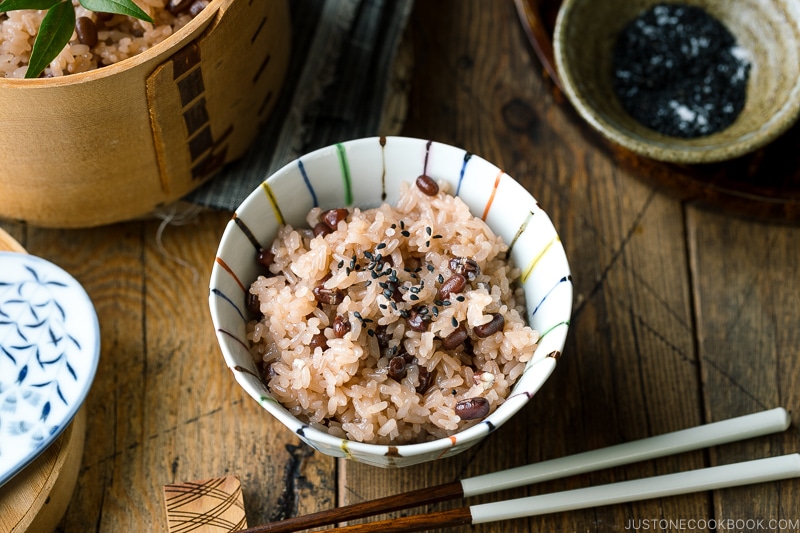
In Japan, we often say “Let’s have sekihan!” when there’s something to celebrate. Sekihan literally means “red rice,” named for the beautiful rosy hue it gets from cooking with azuki beans. The vibrant color symbolizes happiness and prosperity, which is why this dish is traditionally served for New Year’s and other special occasions. Tip: You can prep it ahead and store it in the refrigerator for up to 2 days or freeze it for up to a month.
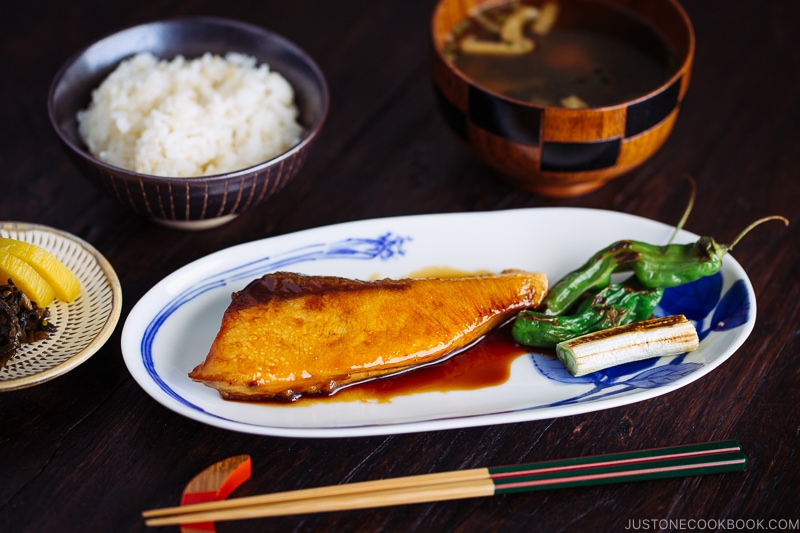
Yellowtail Teriyaki (Buri no Teriyaki) is a classic Japanese grilled fish glazed with homemade teriyaki sauce. Simple, elegant, and full of flavor, it makes a perfect main dish for New Year’s Day.
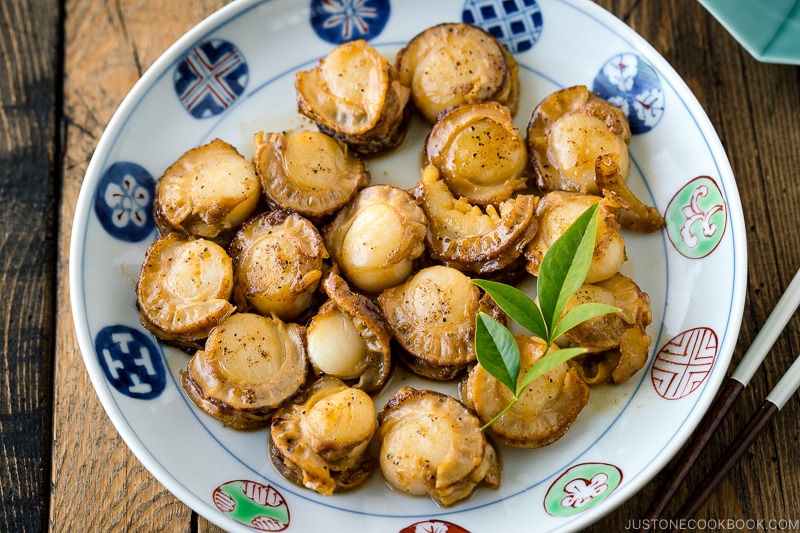
In this recipe, juicy scallops are pan-fried to perfection and seasoned simply with soy sauce and butter. Each bite is tender, flavorful, and utterly addictive! This crowd-pleasing appetizer comes together quickly and is perfect for any Japanese-inspired party.
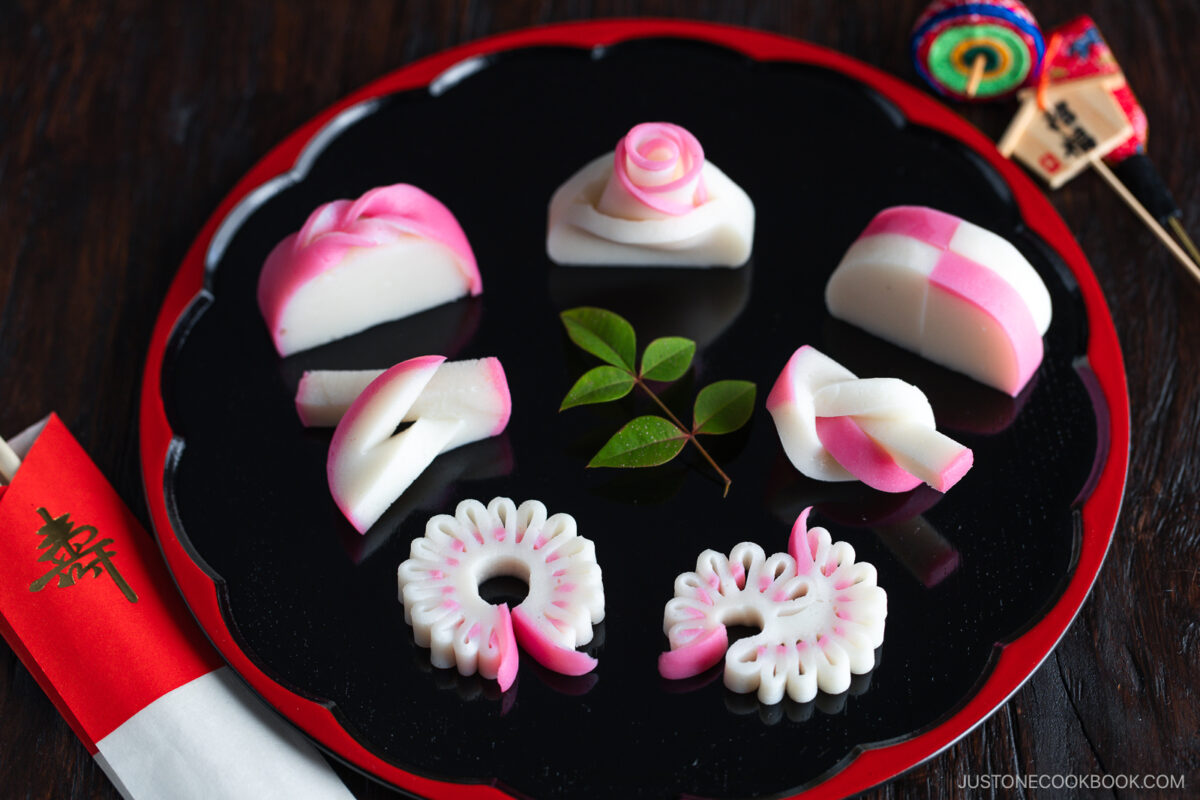
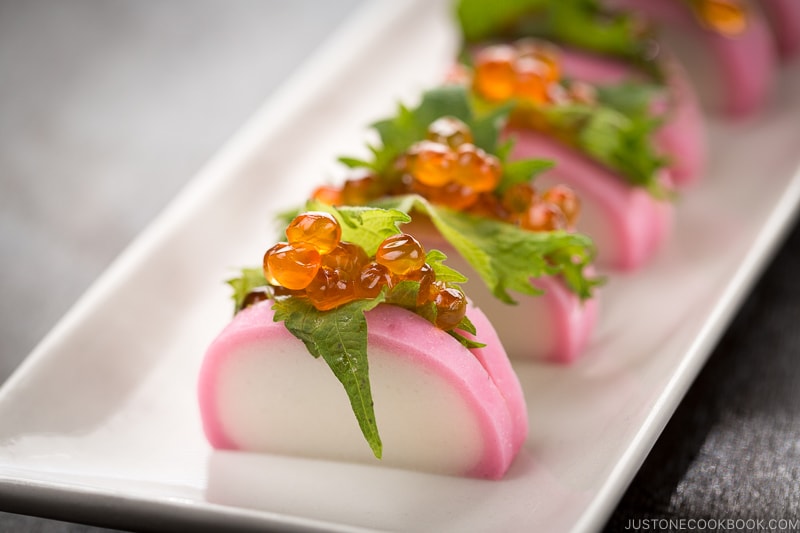
Impress your guests with this stunning yet easy Kamaboko Fish Cake with Salmon Roe! These beautiful appetizers are perfect for your New Year spread, or as elegant hors d’oeuvres at any party. The recipe is surprisingly simple: make small slits in the kamaboko (fish cake), tuck in shiso leaves, and top with golden salmon roe.
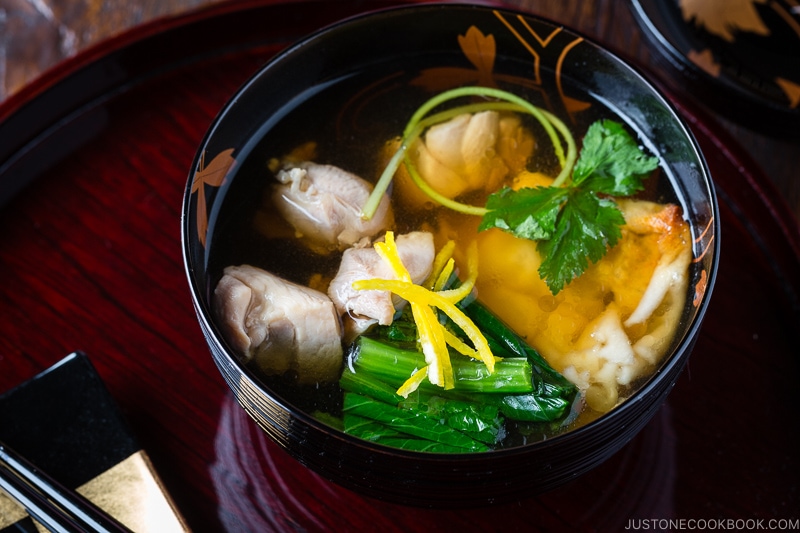
Ozoni (Japanese New Year Mochi Soup) is one of the most important dishes we enjoy on New Year’s Day. This clear, dashi-based soup often includes toasted mochi, chicken, and seasonal vegetables, and is especially popular in the Kanto region (Eastern Japan).
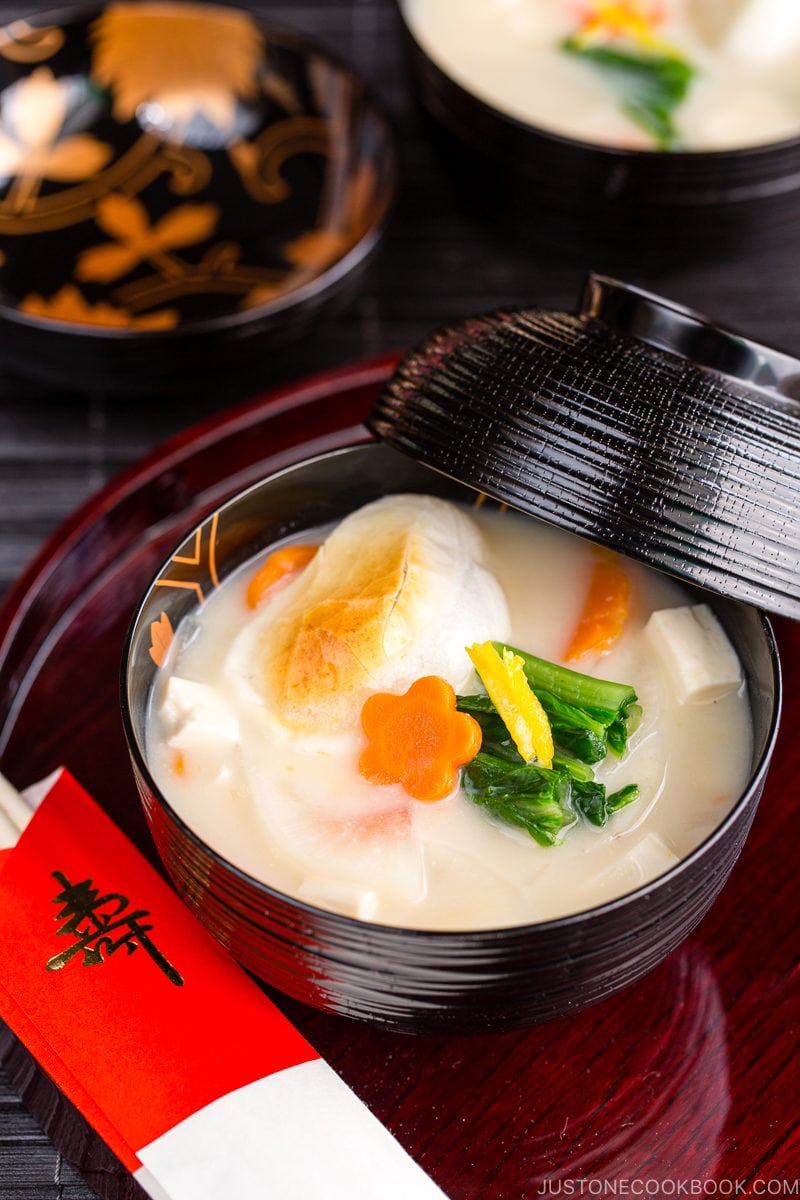
This Kansai-style Ozoni is a miso-based soup enjoyed on the morning of New Year’s Day. The soup includes mochi (rice cake), and its preparation varies by region and household. My recipe is adapted from my mom’s version, with the addition of leafy green vegetables and a touch of yuzu peel for extra flavor.
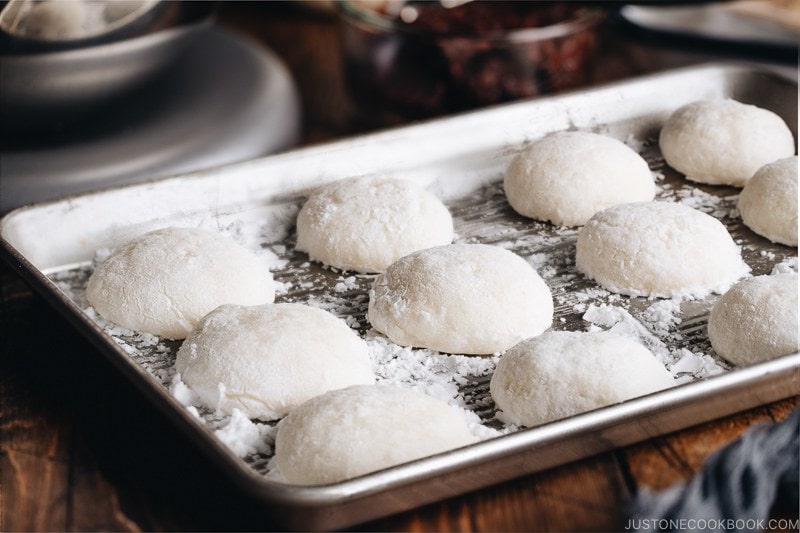
Make fresh Homemade Mochi (Japanese rice cakes) using a stand mixer and an electric rice cooker! Stuff the mochi with your favorite dessert filling, dip it in a savory or sweet coating, or enjoy it in red bean soup or Japanese New Year soup (ozoni).
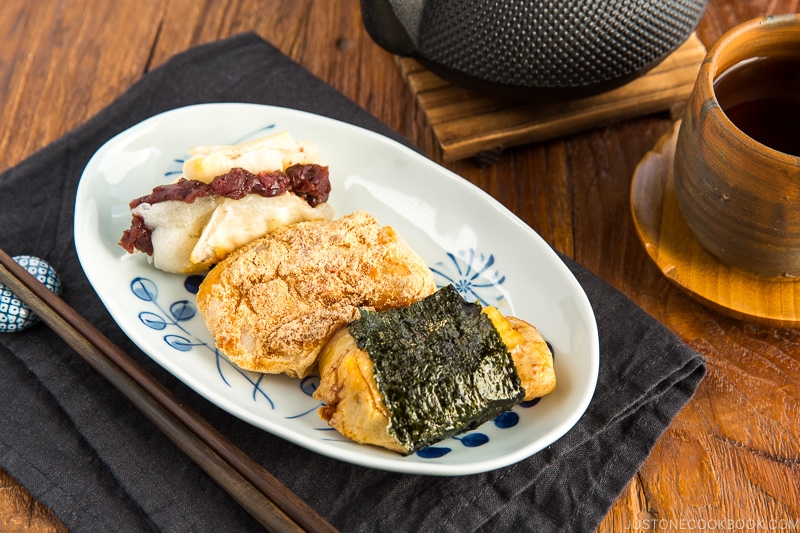
We enjoy various types of mochi rice cakes in Japan, especially for Japanese New Year. In this recipe, you'll learn how to prepare at home the three most popular flavors of mochi—kinako (roasted soybean flour), isobeyaki (soy sauce with nori), and anko (sweet red bean paste).
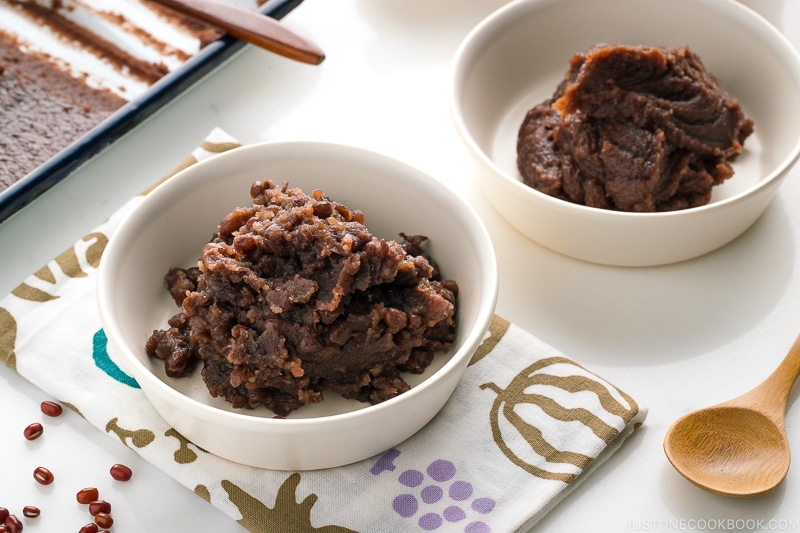
Red bean paste (Anko) is a sweet and versatile filling used in many Japanese desserts. It’s easy to make at home with just four simple ingredients, and once prepared, you can use it to make mochi, dorayaki, taiyaki, and more.
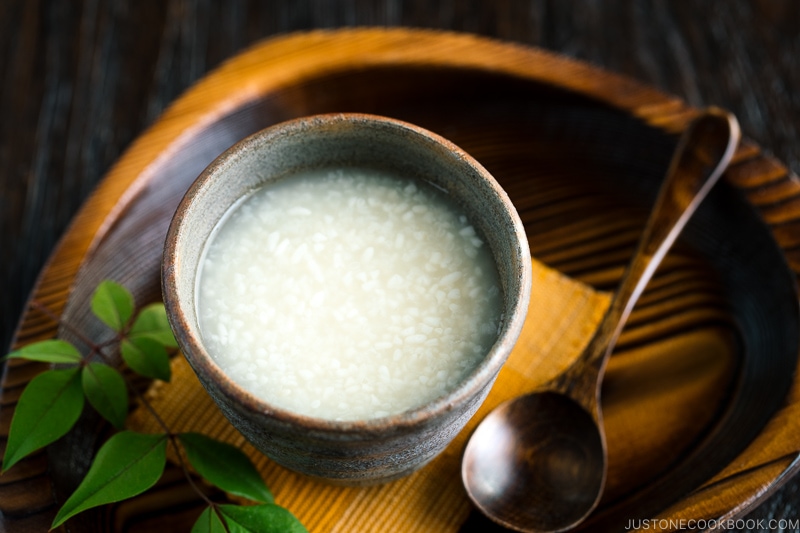
Creamy with a natural mild sweetness, Amazake or sweet sake is a lovely drink enjoyed during Japanese New Year and Hinamatsuri (Girl‘s Day). I‘ll show you how to make this traditional beverage two ways: Alcohol-free with rice koji or low-alcohol with sake lees.