

This post may contain affiliate links. Please read my disclosure policy.
Tonjiru at a Glance
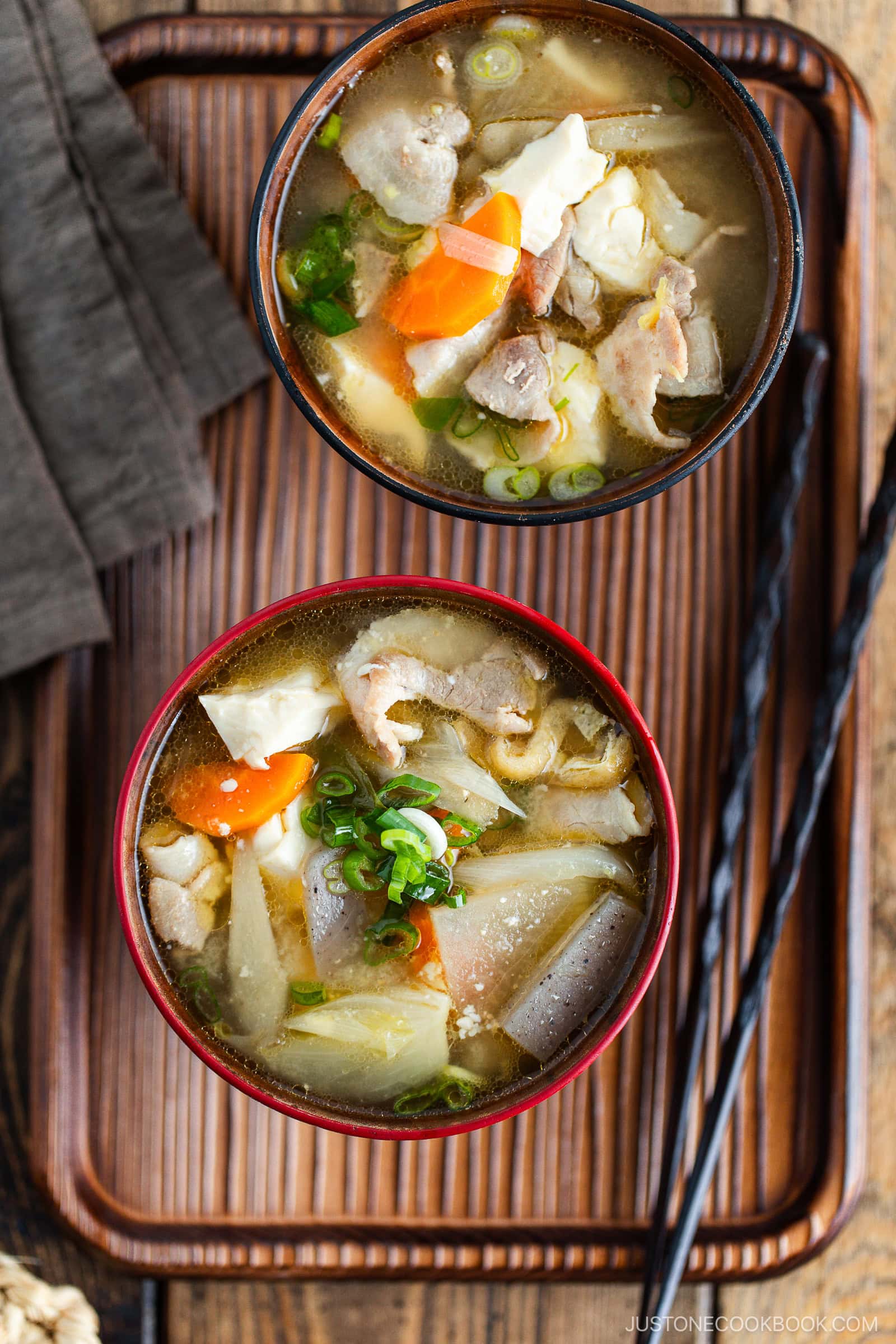
Tonjiru (豚汁), also called butajiru, is a hearty Japanese pork and vegetable miso soup. My version features pork belly and a variety of root vegetables in a dashi-based broth, with tender tofu and a fragrant ginger finish.
Why You’ll Love It
- Layers of savory flavor – Pork belly, dashi, and miso work together to give this vegetable-packed soup a rich, deeply satisfying broth.
- A satisfying simple meal – With pork, tofu, and hearty vegetables in every bowl, you only need steamed rice to round out dinner.
- Even better tomorrow – The vegetables absorb more flavor as the soup rests, making tonjiru a rewarding dish to prepare ahead.
My Recipe Story
If you ask me to name my favorite miso soup, I’ll answer without hesitation: tonjiru. My mom always filled hers with a variety of ingredients, making each bowl hearty and satisfying. Her latest addition is kabocha squash, and I love the sweetness it brings to the savory miso broth. It’s one of the comfort foods I crave most when I’m traveling. To me, nothing is more soothing than a simple meal of Onigiri rice balls and a steaming bowl of tonjiru.
If you’ve watched the Japanese drama Shinya Shokudo (深夜食堂), also known as Midnight Diner, you may remember Master preparing a big pot of this soup in the opening sequence. That scene captures exactly what tonjiru means to me: the warmth and comfort of home.
For more dishes from the show, explore my Season 1 and Season 2 recipe collections. Let’s begin with a steaming bowl of tonjiru!

Key Ingredients
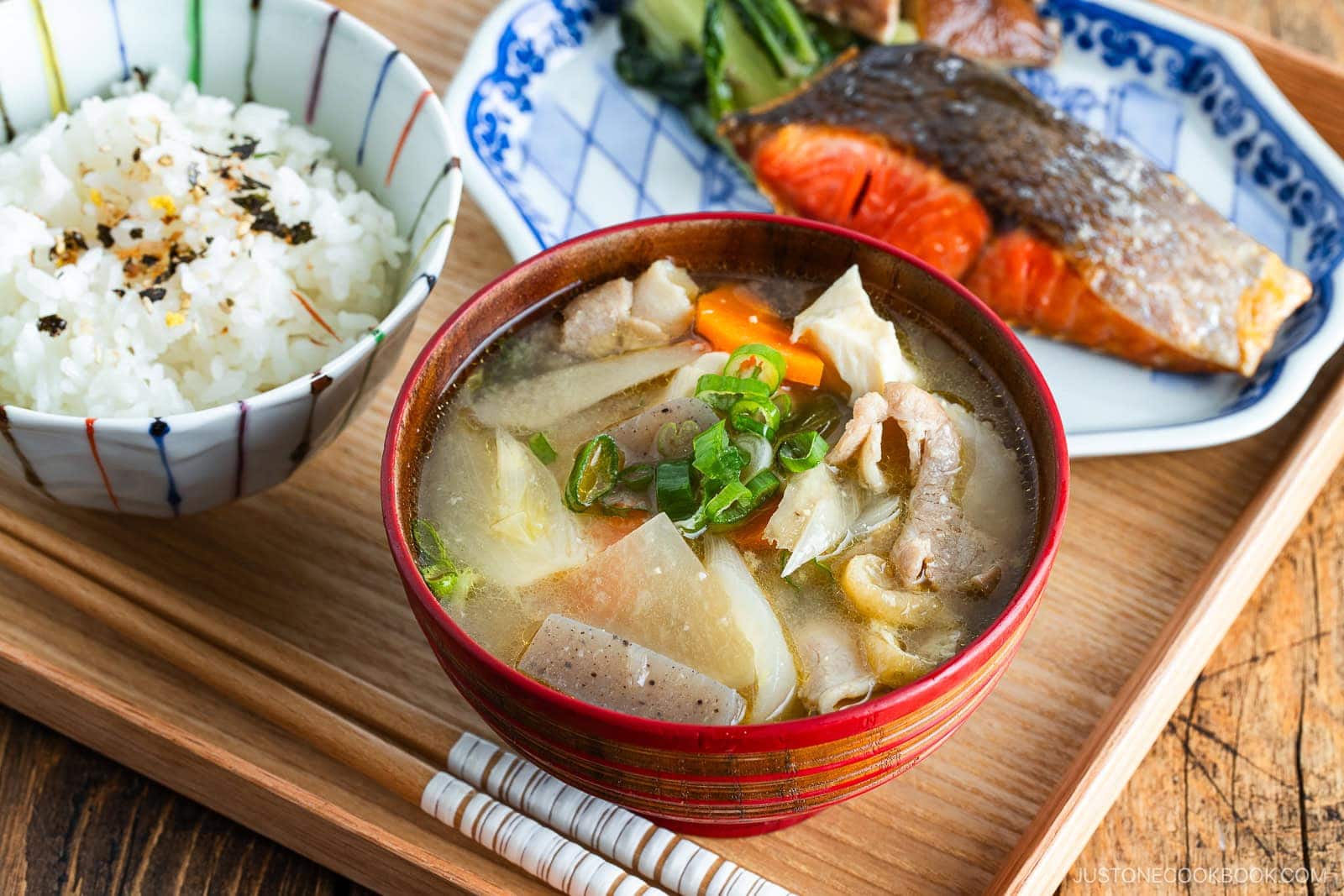
You’ll need pork belly, root vegetables, konnyaku (konjac), tofu, and aburaage (deep-fried tofu pouch), plus a savory broth made with dashi, miso, toasted sesame oil, and ginger. Green onion and optional shichimi togarashi finish the soup.
- Thinly sliced pork belly – Its rich flavor gives tonjiru a satisfying depth. I sometimes combine it with leaner pork loin. Look for uncured, thinly sliced pork belly at Japanese or Korean grocery stores, or slice thinly at home.
- Root vegetables – Gobo (burdock root), Japanese taro (satoimo), daikon, and carrot give the soup earthy flavor and a variety of textures.
- Dashi (Japanese soup stock) – Some home cooks use water because the pork and vegetables provide plenty of flavor, but I prefer dashi for extra umami and depth. Use Homemade Dashi, a dashi packet, or dashi powder. You can also use Vegan Dashi.
- Miso – White, red, or awase miso works well, depending on your preference. Each type and brand varies in flavor and saltiness, so adjust the amount to taste. See my miso guide for help choosing.
Find the printable recipe with measurements below.
Jump to RecipeHow to Make Tonjiru
- Prepare the ingredients. Cut the pork belly, vegetables, konnyaku, and aburaage into bite-sized pieces.
- Stir-fry. Heat sesame oil in a large pot and stir-fry the pork belly, vegetables, konnyaku, and aburaage.
- Add the dashi and simmer. Pour in enough dashi to cover the ingredients. Cover and simmer until the root vegetables are tender and a skewer pierces them easily. Turn off the heat.
- Add the miso, ginger, and tofu. Dissolve the miso completely, then stir in the grated ginger. Tear the tofu into pieces and add it to the soup. Reheat over medium-low heat until just barely simmering; do not boil.
- Serve. Ladle into soup bowls and garnish with green onion.

Nami’s Recipe Tips
Keep these tips in mind for the best results every time.
- Cut the vegetables evenly – Keep pieces of each vegetable similar in thickness so they cook evenly. If you prefer larger chunks, allow more simmering time.
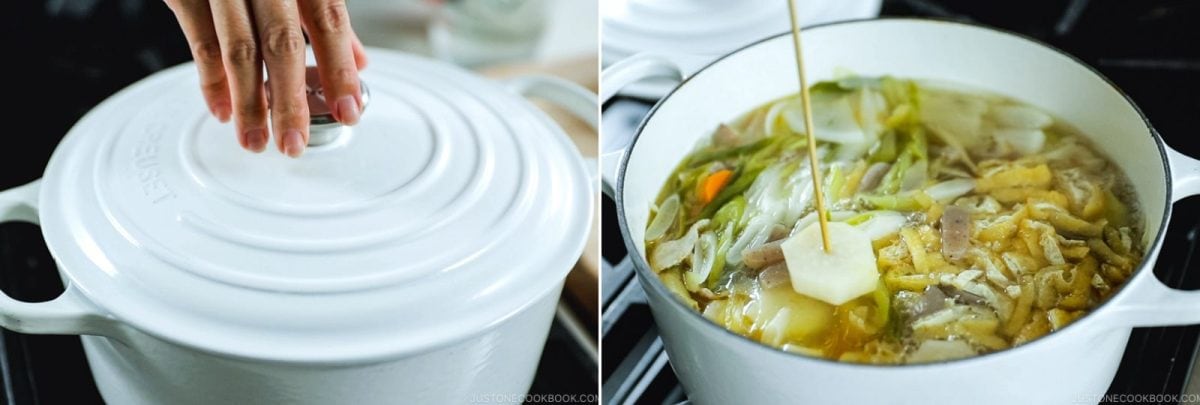
- Check the thickest root vegetables – Test a thick piece of daikon or carrot with a skewer before adding miso. It should pierce easily.
- Add miso off the heat – Dissolve it completely, then reheat gently if needed. Avoid a full boil, which diminishes miso’s delicate aroma.
Make Ahead Tips
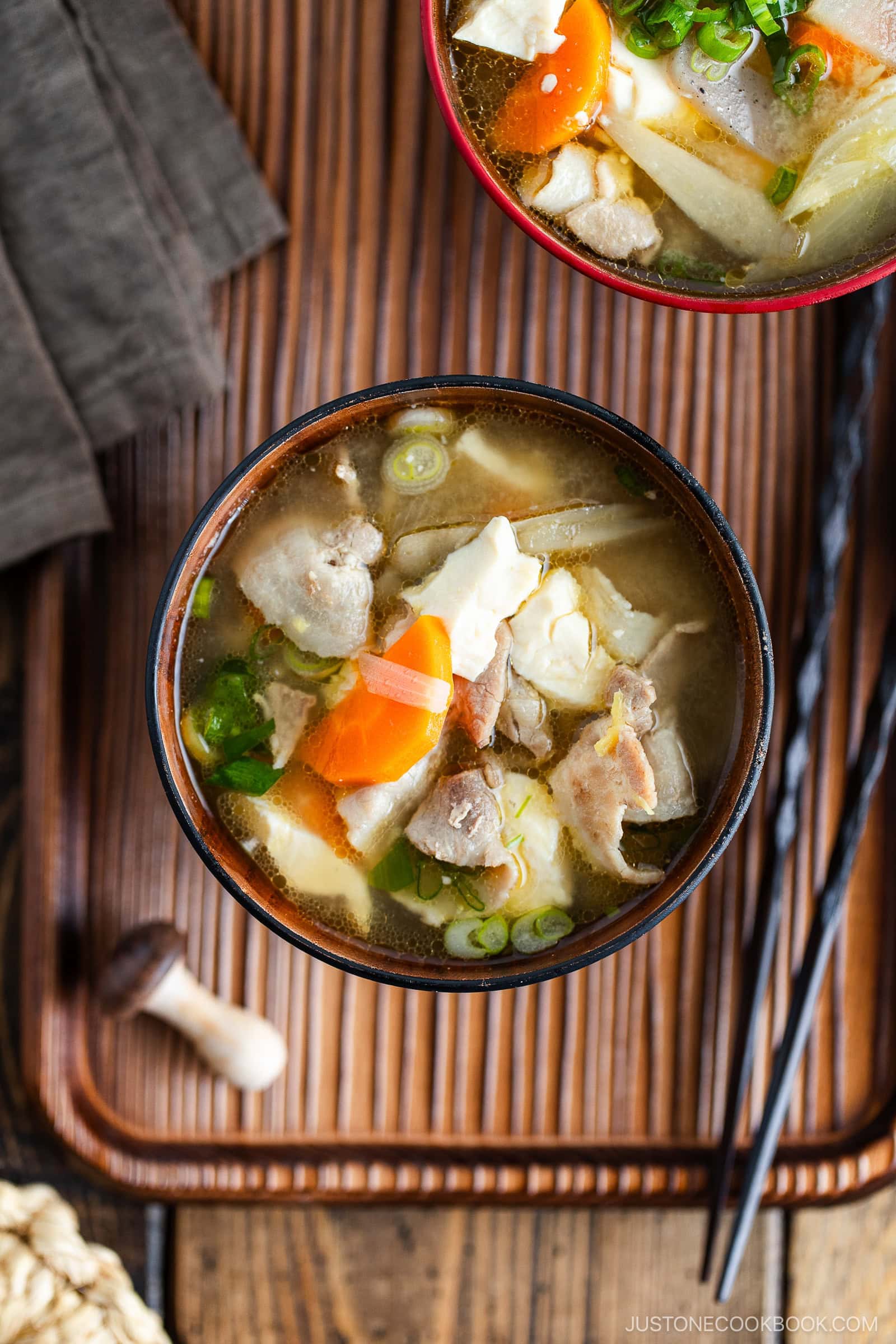
Tonjiru tastes even better the next day as the flavors develop. Cook the vegetables just until tender so they hold their shape when reheated. For the freshest miso aroma, prepare the soup through the simmering step, refrigerate promptly, and add the miso when reheating for serving.
Storage and Reheating Tips
To store: Divide the tonjiru into shallow, airtight containers and refrigerate within 2 hours of cooking. Enjoy within 3–4 days.
To freeze: Store in freezer-safe containers for up to 1 month for the best flavor. If your soup contains potatoes or konnyaku, remove them before freezing, as their texture can change. Thaw overnight in the refrigerator.
To reheat: Warm only the amount you’ll eat in a saucepan over medium-low heat, stirring occasionally, until heated through. Avoid prolonged boiling to preserve the miso’s aroma. Add a splash of water or dashi as needed to adjust the consistency.
Variations
Every household makes tonjiru a little differently, so feel free to use your favorite vegetables and miso. Here are a few delicious ways to change it up:
- Try different vegetables. Add napa cabbage, Asian garlic chives (nira), potatoes, sweet potatoes, or kabocha squash for a variety of flavors and textures.
- Add mushrooms. Shiitake, shimeji, or maitake mushrooms bring even more umami to the broth.
- Swap the pork cut. Use thinly sliced pork belly for a richer soup or pork loin for a leaner option.
- Make it vegetarian or vegan. Skip the pork and add tofu, extra mushrooms, or more vegetables. Be sure to use Vegan Dashi made with kombu or dried shiitake mushrooms, and a miso paste without added bonito or other fish ingredients.
- Try a different miso. Blend your favorite miso varieties to customize the soup’s flavor. See the FAQ below for help choosing.
- Add a little heat. Sprinkle shichimi togarashi over individual bowls for a spicy finish.
- Make it in the Instant Pot. No time to keep a close watch on the pot? Try my Instant Pot Tonjiru recipe for a convenient pressure cooker version of this comforting soup.
What to Serve with Tonjiru
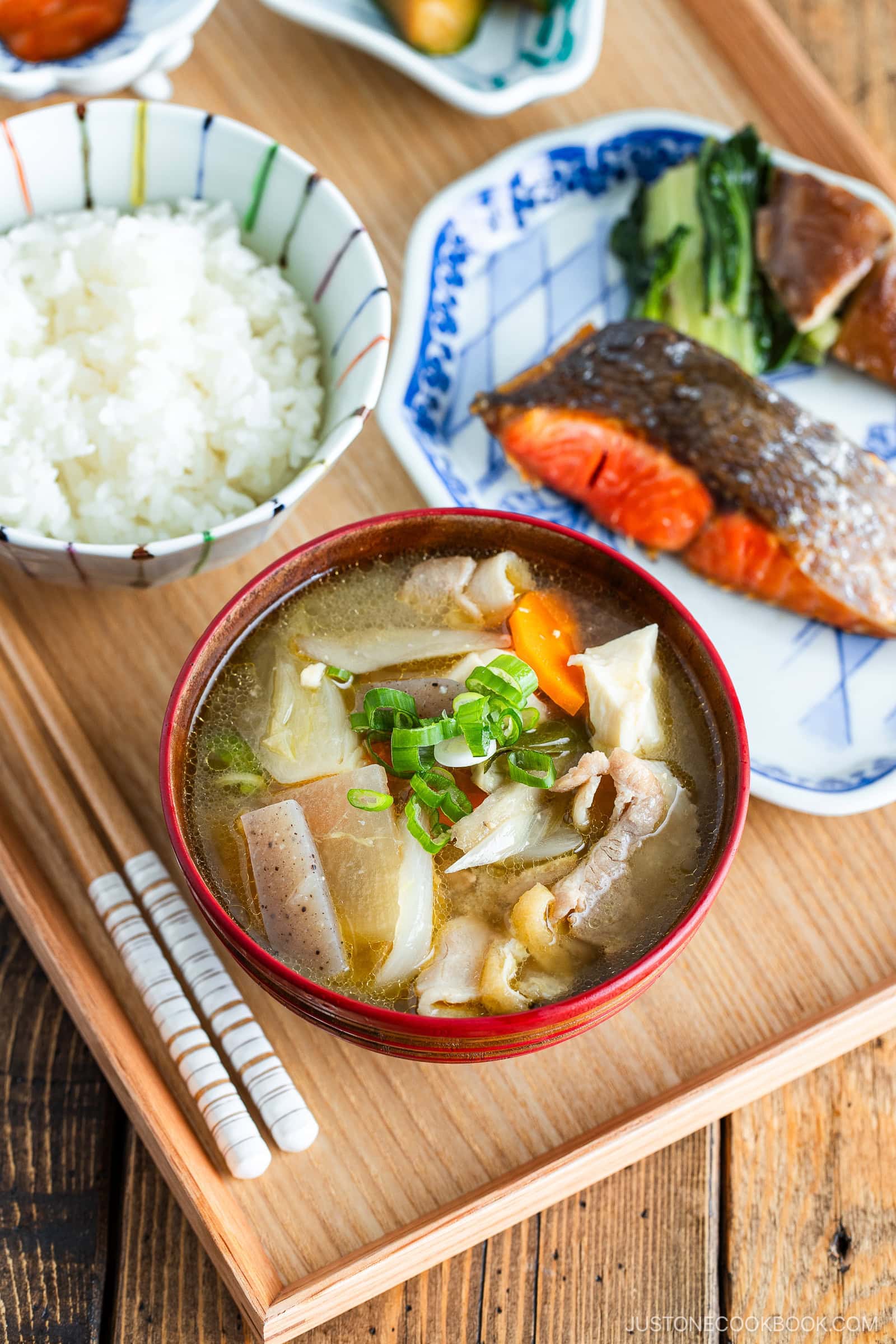
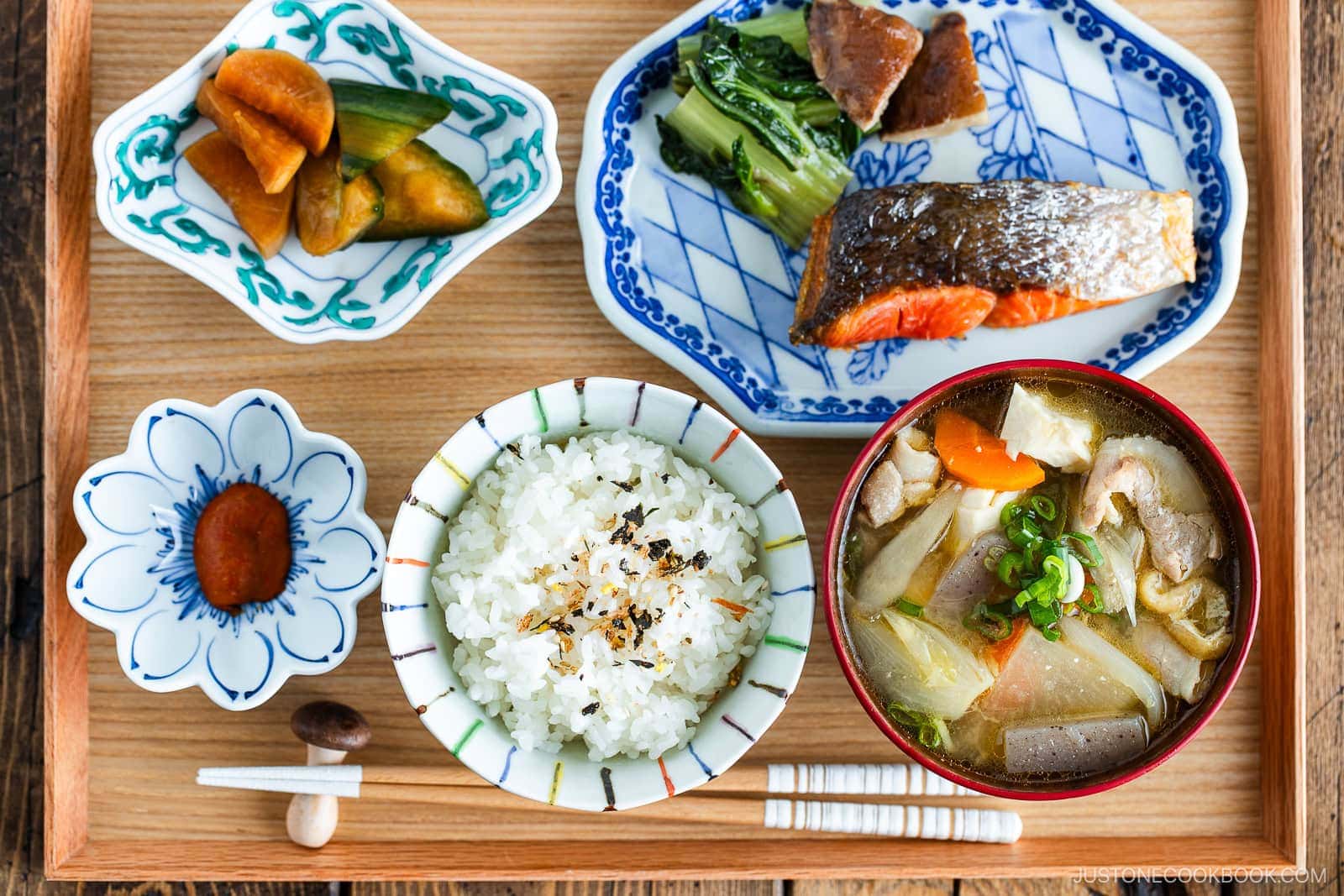
Tonjiru pairs beautifully with steamed rice and a few simple sides for a comforting Japanese meal. Here are some of my favorite dishes to serve with this pork and vegetable miso soup:
- Japanese Salted Salmon – Simply seasoned salmon makes a satisfying main dish alongside a hearty bowl of tonjiru.
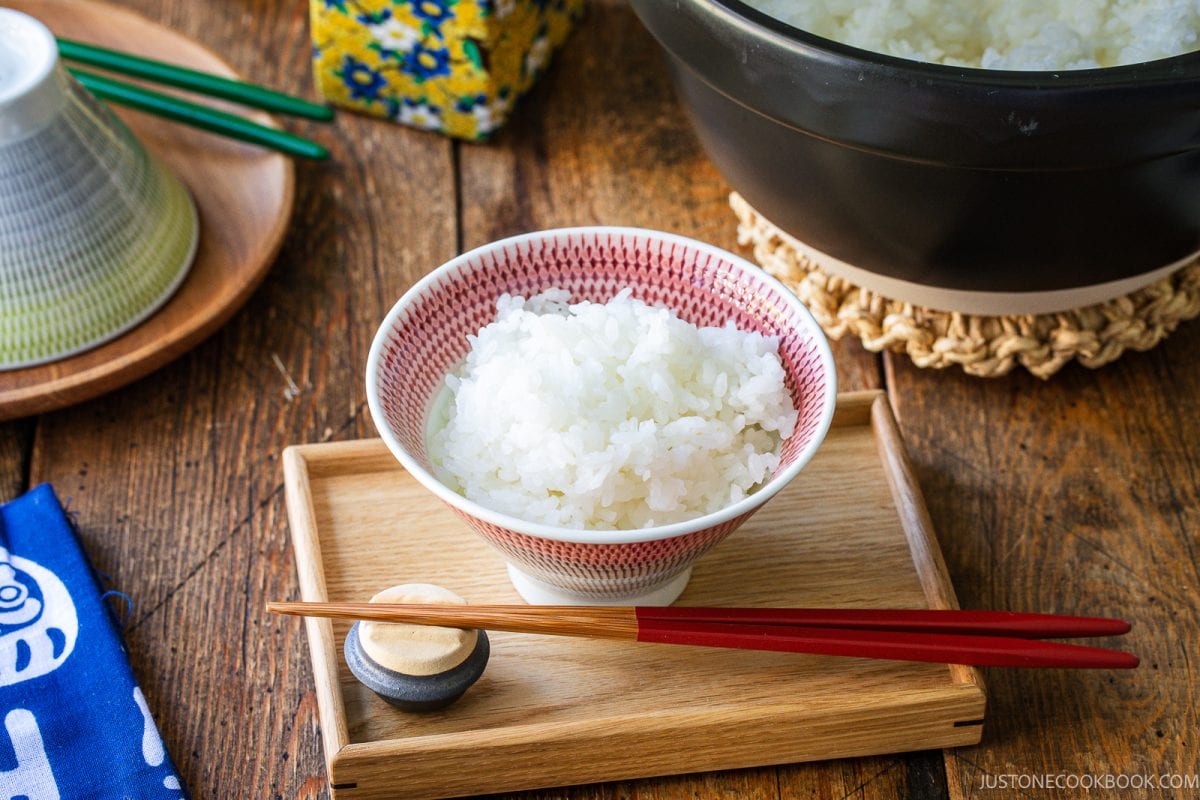
- Donabe white rice – Fluffy steamed rice is perfect for enjoying with the soup’s savory miso broth.
- apanese Asazuke Pickles – These crisp, lightly pickled vegetables add a refreshing balance to the rich soup.
- Tomato Salad with Sesame Ponzu – Juicy tomatoes and a tangy dressing offer a bright contrast to the hearty soup.



FAQ
Can I make tonjiru without dashi?
Yes. Pork and vegetables give the soup plenty of flavor on their own, but I prefer adding dashi for extra umami and depth.
What type of miso is best for tonjiru?
White miso gives the soup a milder, sweeter flavor, while red miso creates a more robust taste. You can also use awase miso, a blend of varieties. I recommend avoiding very sweet Saikyo miso and intensely flavored Hatcho miso for this recipe. Adjust the amount to suit your miso’s saltiness.
Why is tonjiru also called butajiru?
Tonjiru and butajiru are two readings of 豚汁, meaning “pork soup.” Ton and buta both mean pork, while jiru means soup. Both names refer to the same dish.
I’d love to hear how yours turned out! 💛 Please leave a star rating and comment below to share your experience. Your feedback not only supports Just One Cookbook but also helps other home cooks discover recipes they can trust.
Tonjiru (Pork and Vegetable Miso Soup)
Ingredients
For the Ingredients
- 10 oz thinly sliced pork belly (or combine with leaner pork loin; for vegetarian/vegan, replace with tofu, mushrooms, or extra vegetables)
- ½ gobo (burdock root) (3.5 oz, 100 g)
- 3 taro (satoimo) (8 oz, 230 g)
- 1 yellow onion (6 oz, 170 g)
- 2½ inches daikon radish (8.8 oz, 250 g)
- 4 inches carrot (4.2 oz, 120 g)
- ½ block konnyaku (konjac) (4.6 oz, 130 g)
- ¼ tsp Diamond Crystal kosher salt (use half the amount or the same weight for table salt) (for rubbing the konnyaku)
- 1 Tokyo negi (long green onion)
- 1 piece aburaage (deep-fried tofu pouch)
- 1 Tbsp toasted sesame oil (for stir-frying)
- 7 oz medium-firm tofu (momen dofu) (½ of a 14-oz. package; or use silken tofu)
For the Soup Broth
- 6 cups dashi (Japanese soup stock) (use Homemade Kombu and Bonito Dashi, a dashi packet or powder; for a vegetarian/vegan version, use Vegan Dashi)
- 6 Tbsp miso (see Notes below)
- 1 inch fresh ginger (grate and measure 1 tsp, including the juice)
For the Garnish
- 1 green onion/scallion
- shichimi togarashi (Japanese seven spice) (optional, for a spicy kick)
Instructions
Before You Start
- Place 10 oz thinly sliced pork belly in the freezer for 15 minutes to firm it up for easier slicing. Gather all the ingredients.

To Prepare the Ingredients
- Thinly Sliced Pork Belly: Remove the pork belly from the freezer and cut into 1-inch (2.5-cm) pieces.

- Gobo: Lightly scrape the skin from ½ gobo (burdock root) with the back of a knife or the dull back of a peeler. Avoid using the sharp blade, which removes too much of the flavorful layer just beneath the skin.

- Make a cross-shaped cut 1 inch (2.5 cm) deep into one end of the gobo. Rotate and shave it like sharpening a pencil with a knife. Soak the shavings in water to prevent discoloration.

- Drain and rinse the gobo under running water.

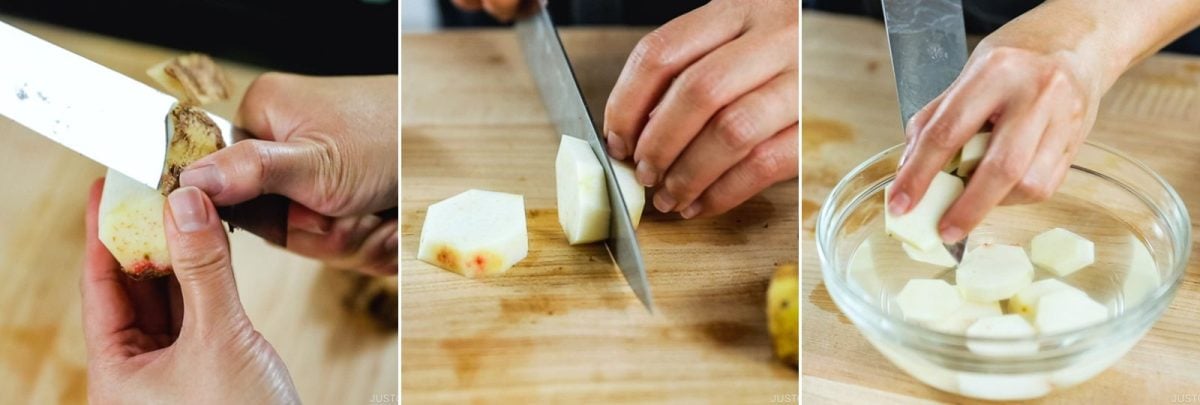
- Taro: Trim both ends of 3 taro (satoimo) and peel with a knife or vegetable peeler. Cut the taro into ⅓-inch (8-mm) slices. Soak in water to remove their sliminess.
- Onion: Halve 1 yellow onion lengthwise, then cut into ¼-inch (6-mm) slices.

- Daikon: Peel 2½ inches daikon radish and quarter lengthwise. Cut crosswise into ⅛-inch (3-mm) slices. For a narrow daikon, skip quartering and slice the halves into half-moons.
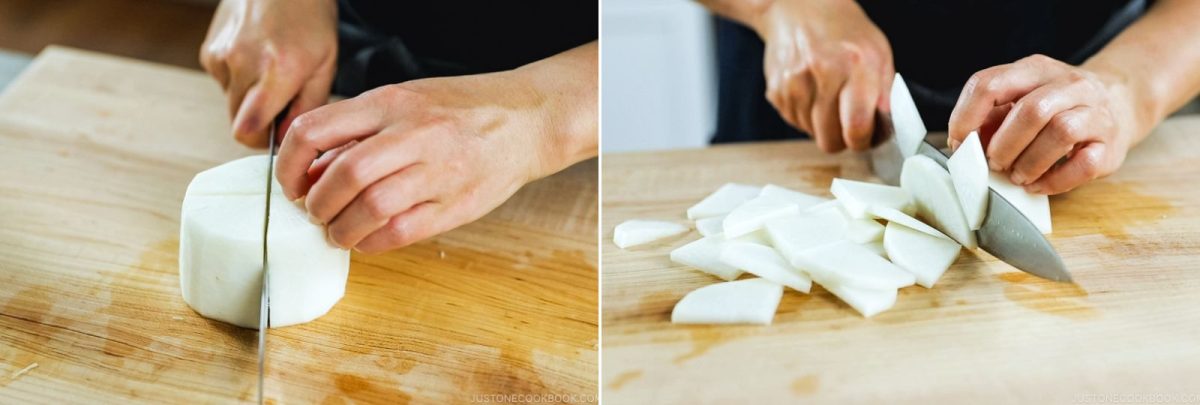
- Carrot: Peel 4 inches carrot and halve lengthwise, then thinly slice crosswise.

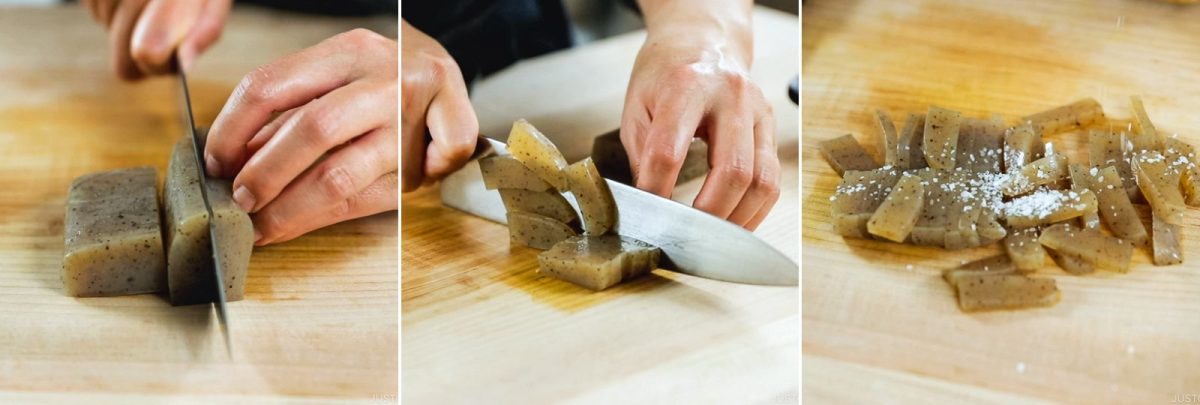
- Konnyaku: Bring a small saucepan of water to a boil. Cut ½ block konnyaku (konjac) into small, thin rectangles. Sprinkle ¼ tsp Diamond Crystal kosher salt (use half the amount or the same weight for table salt) over the konnyaku and rub it well with your hands. Let stand for 5 minutes.Nami's Tip: The salt draws out moisture and helps remove the konnyaku’s odor.
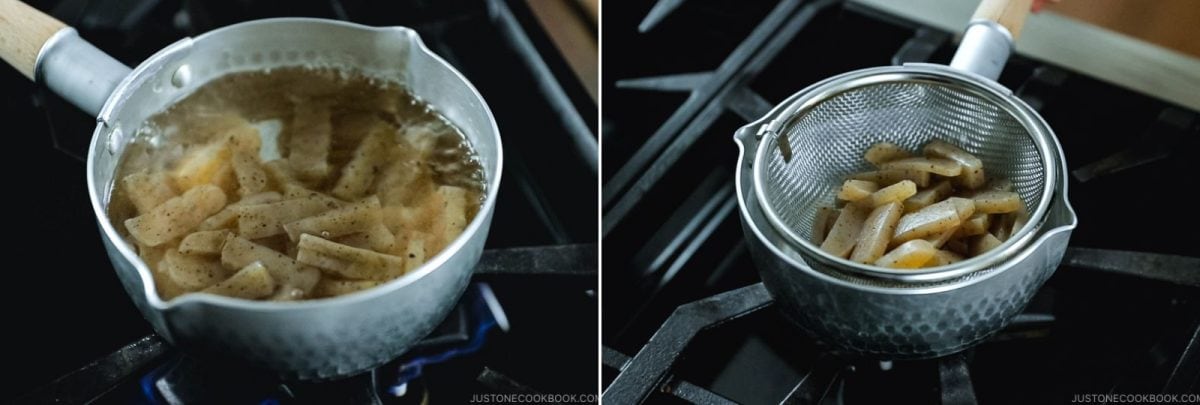
- Boil the konnyaku for 2–3 minutes, then drain and set aside.Nami’s Tip: Boiling helps remove any remaining odor.
- Tokyo Negi: Slice 1 Tokyo negi (long green onion) diagonally.

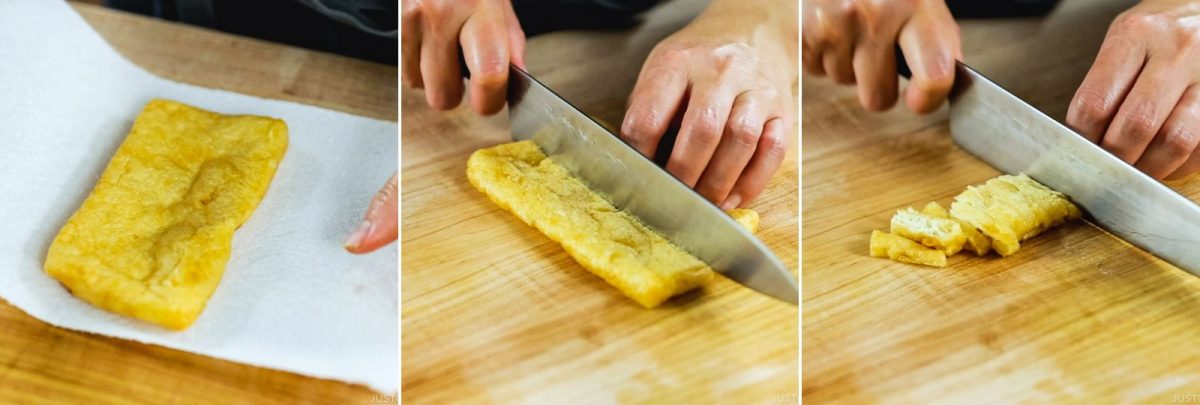
- Aburaage: Blot excess oil from 1 piece aburaage (deep-fried tofu pouch) with a paper towel. Halve the aburaage lengthwise, then thinly slice crosswise.
- Ginger: Peel and grate 1 inch fresh ginger using a ceramic grater, then measure 1 tsp grated ginger including the juice.

- Green onion: Thinly slice 1 green onion/scallion into rounds for garnish and set aside.

To Cook the Tonjiru
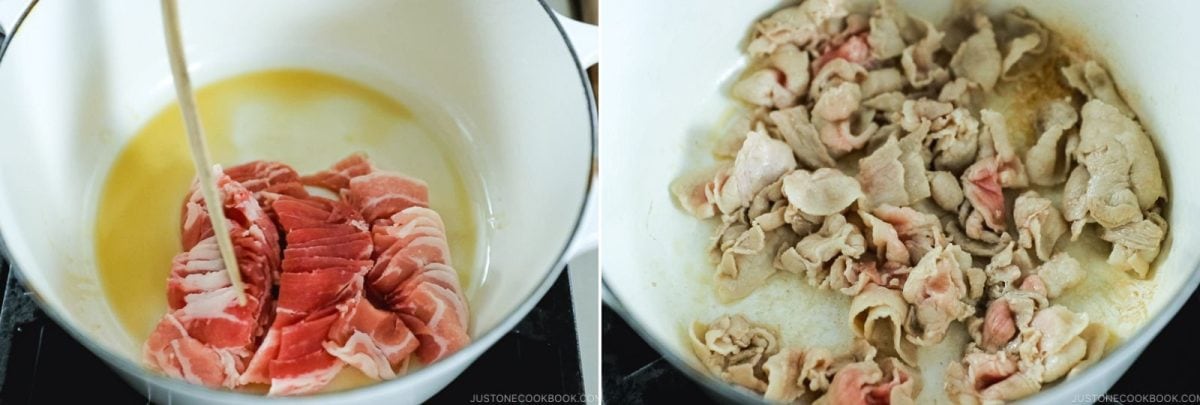
- Set a 4.5 QT heavy-bottomed pot over medium heat. Once hot, add 1 Tbsp toasted sesame oil and the pork belly. Stir-fry until the pork is no longer pink. Nami's Tip: You can add some or all of the grated ginger here for a milder flavor and to help reduce any pork odor. Reserve some for the end if you’d also like a fresh ginger kick.
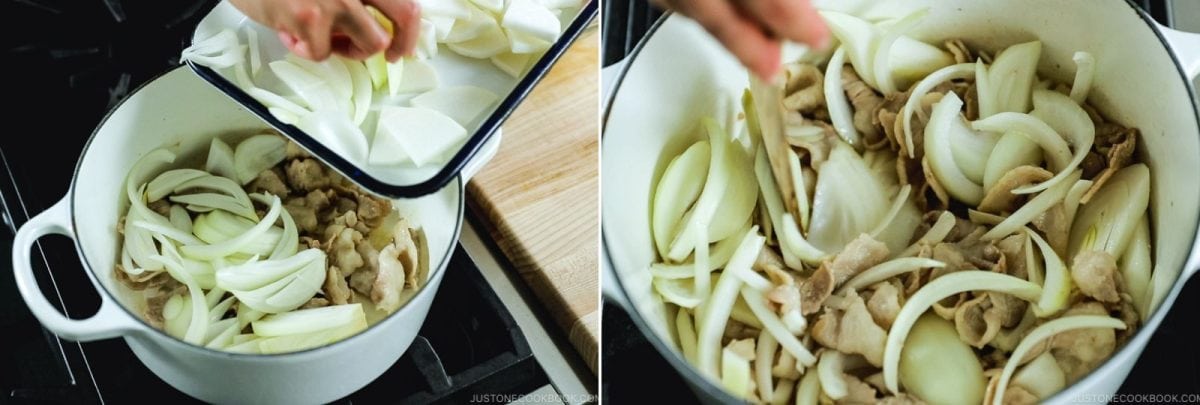
- Add the onion and stir-fry, stirring frequently.
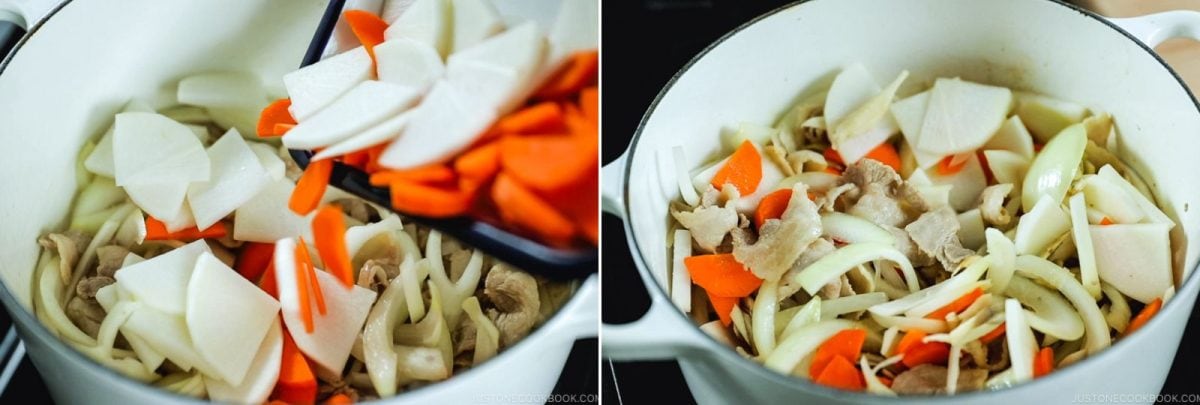
- Add the daikon and carrot slices and stir until coated with oil.
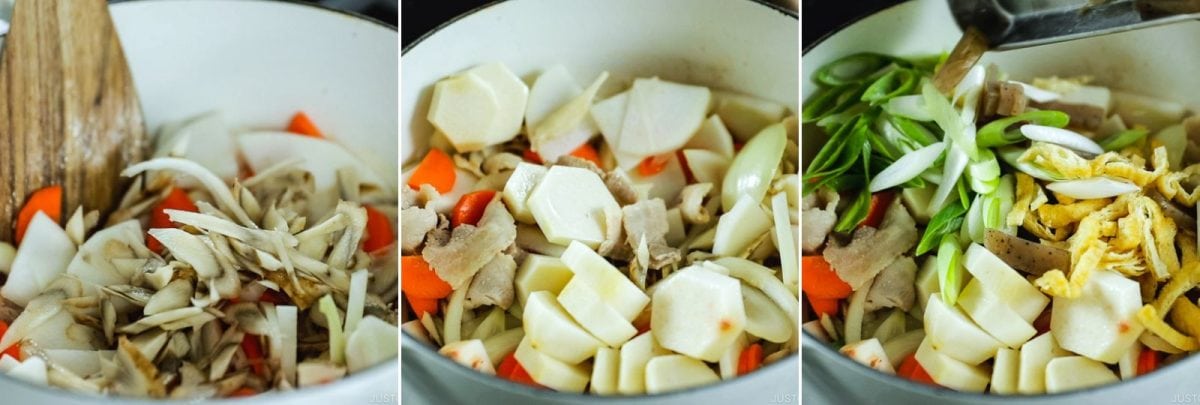
- Add the gobo, taro, konnyaku, aburaage, and negi.
- Pour in 6 cups dashi (Japanese soup stock), adding more dashi or water if needed to just cover the ingredients. Stir, cover, and bring to a boil.
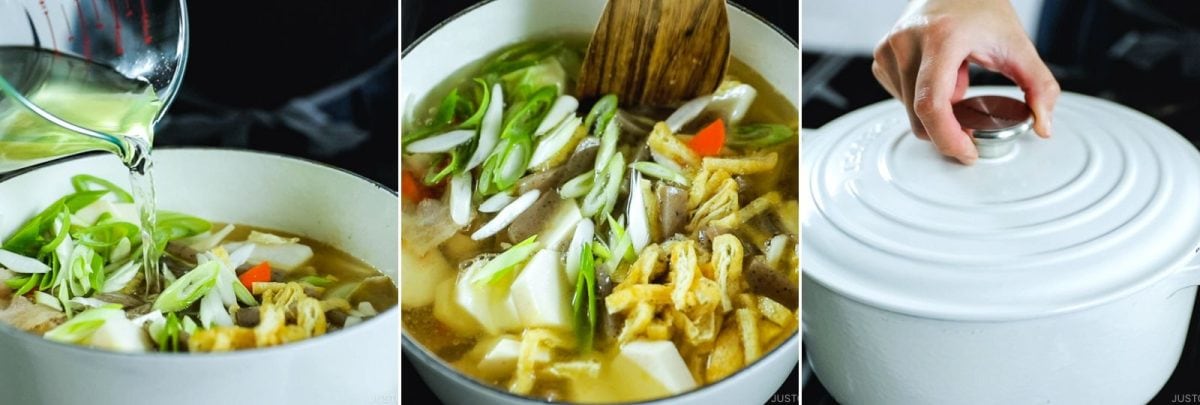
- Once boiling, skim off the scum and fat from the soup.

- Reduce the heat to maintain a gentle simmer. Cover and cook for 10–15 minutes, or until a skewer easily pierces a thick piece of daikon or carrot. Turn off the heat.If making ahead for tomorrow, stop here. Cool the soup promptly, stirring occasionally, then cover and refrigerate within 2 hours of cooking. In summer, use an ice-water bath to help it cool faster.
To Finish the Soup
- Add miso just before serving for the best flavor and aroma. If you made the soup ahead, bring it to a simmer, then turn off the heat.Dissolve slightly less than 6 Tbsp miso into the soup using a miso strainer, or mix it with broth in a ladle first. Taste and add more miso as needed, or dilute with dashi or water if too salty.Stir in the grated ginger or any remaining ginger if you added some earlier. Adding it at the end preserves its fresh aroma and peppery bite.Nami’s Tip: The miso amount is a guideline; saltiness varies by type and brand. Keep the broth slightly stronger than you prefer, as the tofu will dilute it a little.
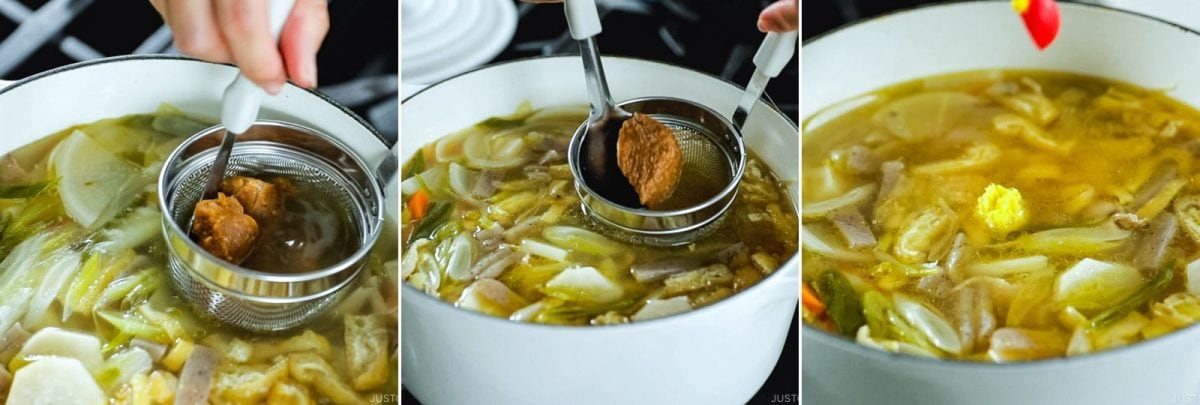
- Tear 7 oz medium-firm tofu (momen dofu) into small pieces and add to the soup, or cut into cubes if you prefer.Nami's Tip: Tearing the tofu creates more surface area to absorb the flavorful broth. Add tofu after dissolving the miso so it stays intact while you stir.

- When ready to serve, gently reheat the tonjiru over medium-low heat until just simmering. Do not let it boil, as this diminishes the miso’s delicate aroma.

To Serve
- Ladle the tonjiru into miso soup bowls, garnish with green onion, and serve immediately. Add shichimi togarashi (Japanese seven spice) at the table for an optional spicy kick.

To Store
- To store: Cool promptly and refrigerate within 2 hours of cooking. Enjoy within 3–4 days.To freeze: Remove potatoes and konnyaku before freezing for up to 1 month. Thaw overnight in the refrigerator.To reheat: Warm over medium-low heat, stirring occasionally, until heated through. Do not boil.
Nutrition
The nutrition facts shown are generated by an online calculator and are estimates only. Please consult a professional nutritionist for specific dietary needs.
Did you make this recipe?
Tag @justonecookbook on Instagram so we can see your delicious creation!
Editor’s Note: The post was originally published in 2011. The post has been republished with new images and content on July 8, 2020.