

Learn all about yuzu! Discover yellow vs. green yuzu, flavor profiles, where to buy, substitute options, and essential Japanese recipes.

This post may contain affiliate links. Please read my disclosure policy.
Yuzu (柚子) is a small yellow or green Japanese citrus prized for its intensely aromatic zest and floral, tart-sweet juice.
Cooks across East Asia have used this unique fruit for centuries because it maintains its vibrant sourness even at high heat.
Whether harvested early as a sharp green citrus or fully ripened into a fragrant yellow fruit, it brings an irreplaceable brightness to savory sauces, desserts, and soothing teas.
What Is Yuzu?
Yuzu (Citrus junos) is a small, slightly flattened Japanese citrus fruit about 2 to 4 inches in diameter. A natural hybrid of the satsuma mandarin and ichang papeda, its bumpy peel is packed with fragrant essential oils. Inside, it has very little juice, thick membranes, and many seeds.
Farmers harvest yuzu at two distinct stages—unripe green and fully mature yellow. In Japanese cooking, color and aroma are essential, and this precious fruit is often the secret ingredient that elevates both sweet and savory dishes.


Green Yuzu: The Vibrant, Unripened

While yellow yuzu is prized for its juice, the unripe green fruit (ao-yuzu, 青柚子) is all about its intense, distinct aroma.
In fact, farmers harvest green yuzu early in the season when the rind is thickest. At this stage, the peel is packed with potent essential oils that give off a sharper, peppery fragrance.
In Japanese cuisine, this zest is the star ingredient for creating the spicy condiment Yuzu Kosho. Additionally, you can finely grate it to brighten up sashimi, grilled dishes, and cocktails.
What Does It Taste Like?
Yuzu offers a vibrant, complex flavor—somewhere between a lemon, lime, and tart grapefruit. It also carries a sweet, floral aroma reminiscent of orange blossom.
Furthermore, its juice is sharper and more aromatic than standard lemons or limes, bringing a bright, refreshing acidity to any dish.
The flavor and aroma vary depending on when the fruit is harvested:
- Yellow Yuzu (Ripe): Tastes intensely citrusy, floral, and tart with a delicate, bittersweet undertone. Its juice is floral and sour, while the yellow zest provides a sweet, fragrant citrus scent.
- Green Yuzu (Unripe): Features a much sharper, punchier, and herbal flavor profile. The green rind is packed with pungent essential oils that give off a peppery, pine-like aroma, while its small amount of juice is piercingly sour.
How To Use Yuzu in Cooking and Baking
The Japanese add this distinct citrus fruit to flavor savory dishes, sweet desserts, and beverages. The fruit contains many seeds, thick membranes, and very little edible flesh. Therefore, cooks typically use only aromatic zest and juice.
How you use yuzu often depends on whether you have mature yellow fruit or unripened green one:
- Using Green Yuzu:
- Chili paste – Grate the green zest to make yuzu kosho, the iconic fermented citrus-chili paste.
- Garnish for savory dishes – Grate the fragrant green peel over sashimi, grilled fish, yakitori, or hot noodle soups for a sharp, peppery pop of flavor. Serve a dab of yuzu kosho with grilled fish, grilled beef, pan-grilled yellowtail, hamburger steak, and gyoza.
- Using Yellow Yuzu:
- Sauces & Dressings – Squeeze the fresh juice to make ponzu, a citrusy vinaigrette and miso dressing.
- Soups – Garnish clear soup, udon noodle soup, or ozoni (Japanese mochi soup) with julienned yellow zest, or stir in yuzu kosho into miso soup for a spicy kick.
- Garnish for savory dishes – Garnish chawamushi with julienned zest for fragrance.
- Marmalade – Simmer the yellow peel and juice into marmalade.
- Pickles – Add the zest to crunchy Japanese asazuke to take these everyday pickles to the next level.
- Drinks – Make a Japanese cocktail or soothing hot yuzu tea.
- Baked Goods & Desserts – Add zest and juice to pound cake, chiffon cake, sorbet and ice cream.
Yuzu Recipes
- Yuzu Marmalade
- Yuzu Tea
- Yuzu Sorbet
- Yuzu Ice Cream
- Yuzu Ponzu
- Japanese Yuzu Cocktail (Chuhai)
- Green Beans with Yuzu Vineigrette


How To Choose The Best Fruit
Yuzu is very precious and expensive outside of Japan. It can also be tricky to find in the United States.
Look for fresh fruit during late fall and winter at Japanese grocery stores, Asian markets, or local farmers’ markets.

When selecting fresh fruit, keep these tips in mind depending on which type you are buying:
- General Selection: Choose fruits that feel heavy for their size with an intense, fresh citrus aroma. The bumpy peel often shows minor scarring or dark spots from tree thorns. However, this is completely normal and won’t affect the flavor.
- Yellow Yuzu (Ripe): Look for bright golden-yellow skin. When gently pressed, a ripe yellow yuzu feels slightly spongy. In contrast, lemons and limes remain firm and plump.
- Green Yuzu (Unripe): Look for deep green skin with no yellowing. Unripe green yuzu will feel extremely firm to the touch and contains very little juice, as it is harvested primarily for its potent, aromatic skin.
Where To Buy
You can purchase the fresh citrus during winter at Japanese grocery stores, some specialty stores, and farmer’s markets. Some online stores sell it, too.
Additionally, you can find many of the products listed above at Japanese, Korean, and Asian grocery and specialty food stores.
You can even grow it in your garden! I have been growing my yuzu tree in California for a few years.
How To Prepare and Cut Yuzu
- Wash the fruit: Gently scrub the outer peel using a tawashi (a Japanese vegetable scrubbing brush) or a clean sponge under cool running water to remove any dirt. Pat dry.
- Cut crosswise: Place the fruit on a cutting board and slice it in half horizontally (crosswise) across the equator rather than top-to-bottom.
- Remove seeds: The fruit is filled with many large seeds. Use the tip of a knife, a small spoon, or a bamboo skewer to pop out and discard all visible seeds from the halves.
- Juice the fruit: Gently squeeze the juice through a fine-mesh strainer into a bowl or small jar to catch any remaining seeds or pulp.
- Save the peel for zest: Don’t throw away the squeezed halves! Slice or scrape off the aromatic outer peel to collect the zest. Wrap and store the yuzu zest in the freezer so you can easily grate or julienne it later.

How To Store Fresh Yuzu
- Fresh whole fruit:
- In the fridge: Keep whole fruit in a paper bag in the refrigerator, where they will stay fresh for about 2 weeks.
- In the freezer: You can freeze whole citrus fruits directly in a freezer-safe bag for up to 3 months. (Note: Frozen whole green yuzu is best thawed just enough to grate the zest, as unripened fruit yields minimal juice).
- Yuzu juice: Pour freshly squeezed yuzu juice into a clean glass jar and refrigerate for up to 1 week, or freeze it in ice cube trays for up to 6 months to pop out whenever a recipe calls for a splash of citrus.
- Yuzu zest:
- Julienned zest: Slice the peel into quarters, scrape off the bitter white pith, and thinly julienne the zest. Freeze in a small freezer bag for up to 1 month for optimal aroma (or up to 6 months for cooking). Use directly from frozen without thawing.
- Peel sheets: Thickly peel large sections of zest, wrap tightly in plastic wrap, and store in a resealable freezer bag to grate later as needed.
Packaged & Pantry Products
If the fresh fruit is out of season or difficult to find, these shelf-stable products are a wonderful way to bring its vibrant, floral citrus flavor directly into your kitchen.
- 100% Yuzu Juice / Extract
- Flavor Profile: Pure, undiluted yuzu juice with a sharp, fragrant acidity.
- How to Use: Drizzle over grilled fish, chicken, or sashimi as a refreshing finisher, or use it as a 1:1 substitute for fresh yuzu juice in dressings, ponzu, and cocktails.
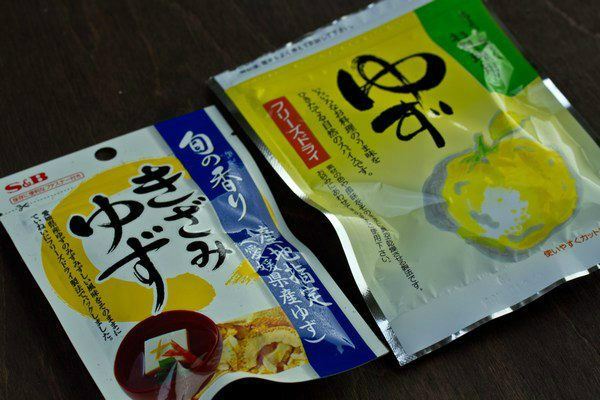
- Freeze-Dried Yuzu Zest
- Flavor Profile: Concentrated yuzu aroma with zero moisture, offering a long shelf life.
- How to Use: Sprinkle a pinch over clear soup, hot tofu (yudofu), noodle bowls, or grilled meats just before serving to release an instant burst of citrus fragrance.

- Yuzu kosho (Citrus Chili Paste)
- Flavor Profile: A savory, fiery, and aromatic fermented paste made from yuzu peel, chili peppers (green or red), and salt.
- How to Use: A versatile staple condiment in Japanese cooking! Serve a dab with yakitori, grilled beef, sashimi, gyoza, or hot pot (Nabe). You can also stir a small spoonful into miso soup or ramen broth for a spicy citrus kick.
- Yuzu Tea / Marmalade (Yuja Cha)
- Flavor Profile: Sweet, citrusy, and slightly bitter preserve made from yuzu peel, juice, and honey or sugar.
- How to Use: Stir a couple of spoonfuls into hot or iced water to make soothing yuzu tea (Yujacha). It also works wonderfully spread on toast, dolloped onto yogurt, or used as a glaze for roasted poultry.


How to Substitute
Because this fresh citrus is rare and hard to find outside of Asian markets, you can approximate its unique flavor using a blend of common citrus fruits or shelf-stable alternatives:
For Yuzu Juice:
- Best Fresh Substitute: Mix equal parts lemon juice and lime juice, plus a splash of grapefruit or orange juice for a subtle floral sweetness.
- Meyer Lemon: A single Meyer lemon works well as a 1:1 substitute because it is naturally sweeter and more floral than a regular eureka lemon.
- Bottled 100% Yuzu Juice: Available year-round online and in Asian grocery stores, bottled juice provides authentic flavor when fresh fruit isn’t available.
For Yuzu Zest:
- Meyer Lemon + Lime Zest: Combine grated Meyer lemon zest with a touch of lime zest to replicate yuzu’s bright, aromatic oil profile.
- Freeze-Dried Yuzu Zest: A great pantry staple to keep on hand for a quick burst of authentic citrus fragrance in soups, noodles, and garnishes.
Health Benefits
Rich in Vitamin C & Antioxidants: Yuzu packs significantly more vitamin C than regular lemons and contains powerful antioxidants (carotenoids, flavonoids, and limonoids) that help boost immunity and fight inflammation.
Supports Heart Health: Flavonoids found in yuzu peel and juice help improve blood circulation and support cardiovascular wellness.
Aromatherapy & Stress Relief: The essential oils in the peel (limonene and yuzunone) help reduce stress, lower fatigue, and boost mood. Because of this, soaking in a yuzu-infused bath (Yuzuyu, 柚子湯) on the Winter Solstice is a cherished Japanese tradition!
Wish to learn more about Japanese cooking? Sign up for our free newsletter to receive cooking tips & recipe updates! And stay in touch with me on Facebook, Pinterest, YouTube, and Instagram.
Editor’s Note: This post was originally published on August 20, 2013, and updated with more helpful information on August 7, 2026.