

Get my complete 5-day Osechi Ryori cooking timeline to plan a delicious and stress-free Japanese New Year feast. I’ll show you what to prepare each day so you can stay organized and enjoy the holiday with ease. You’ll also find a handy prep guide with tips for planning and shopping in the weeks leading up to Japanese New Year.
Quick Overview
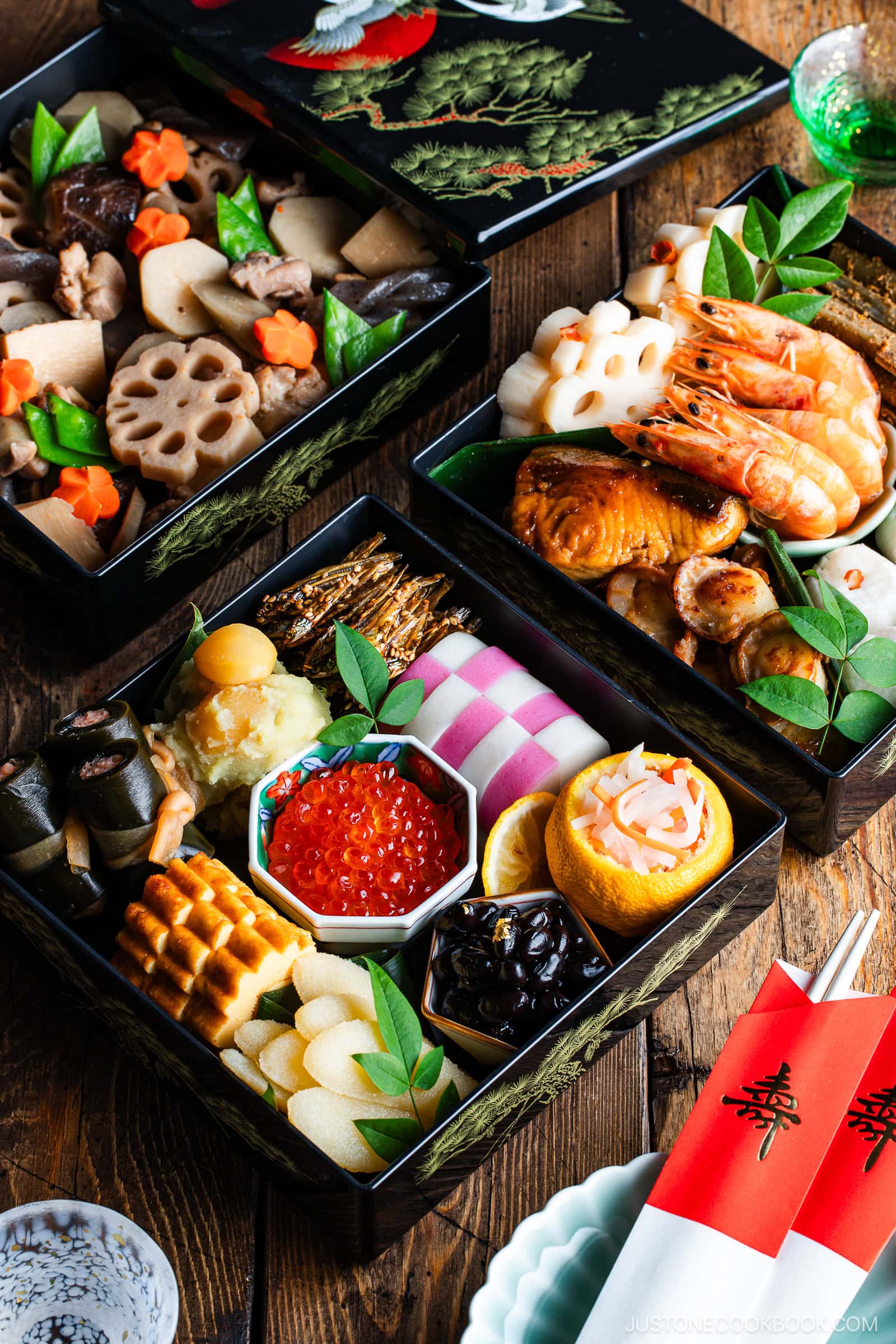
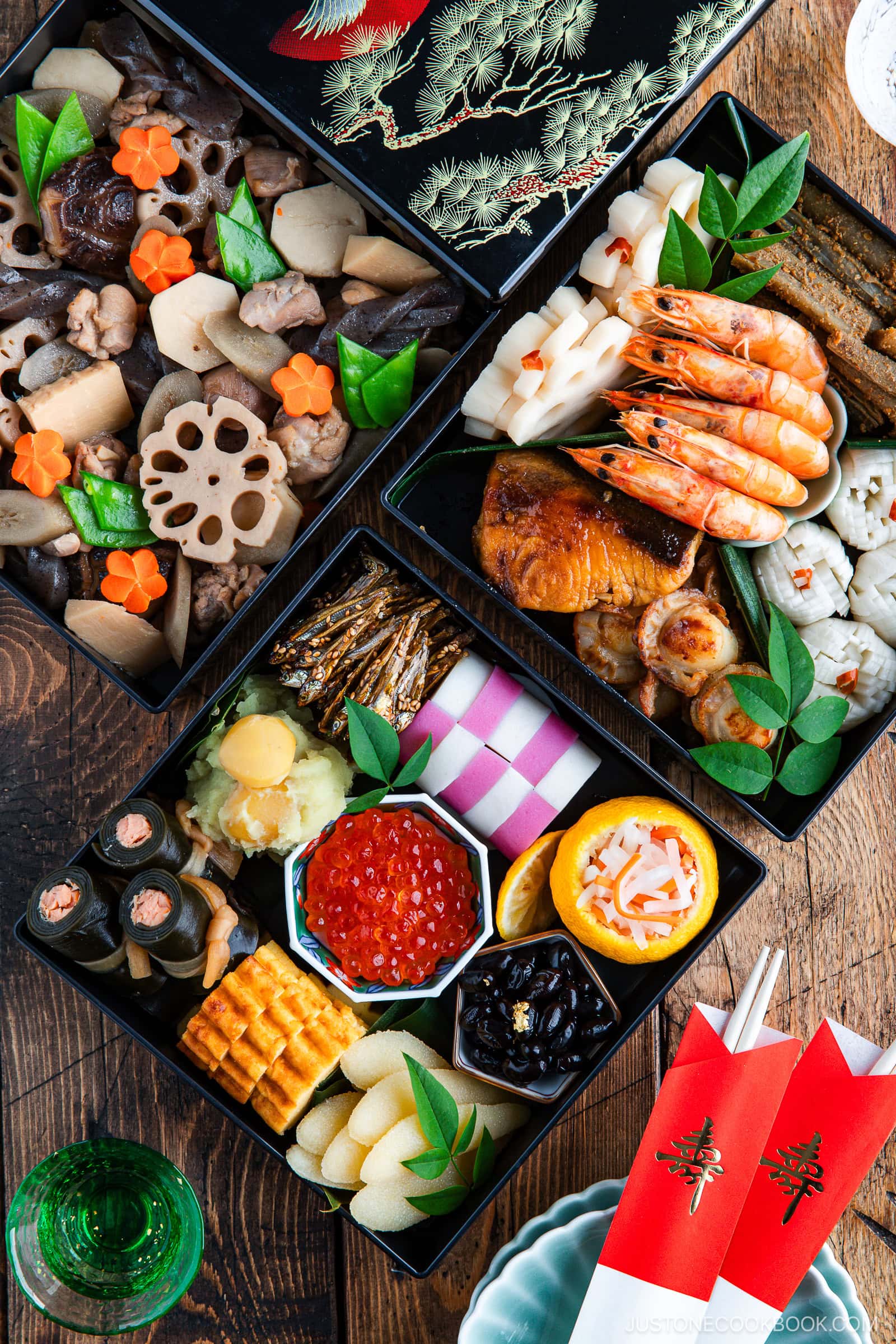
The Japanese start the New Year celebration with osechi ryori (おせち料理), a special feast enjoyed on New Year’s Day. These traditional dishes symbolize good fortune and longevity and are beautifully packed in a lacquered, 3-tiered jubako box.
It takes a lot of time and effort to prepare an osechi spread, and Japanese home cooks spend the last several days of the year prepping and cooking. To make your own experience smoother, I’m here to share my 5-day osechi cooking timeline and tips.
Having a plan helps me feel more organized and less overwhelmed! In this post, I’ll share:
- my osechi menu and recipes – pick and choose what you make vs. buy to suit your schedule and lifestyle.
- a 4-week schedule of tasks for shopping, cleaning, and planning ahead during the month of December.
- my 5-day cooking timeline leading to the big day!
- my best tips to manage the cooking workload and reduce stress so you can you enjoy this beautiful tradition.
A 4-Week Prep Guide
There’s a lot that you can prepare in the weeks leading up to New Year’s Day. Follow this planning guide starting 4 weeks before Japanese New Year (JNY) to stay organized. It outlines a schedule of tasks for shopping, cleaning, and getting everything ready ahead of time.
Dec. 1 (4 Weeks Before JNY)
Make a rough plan
- Decide what to make, buy, or skip: Cook the dishes your family loves, buy the labor-intensive ones, and skip anything no one eats.
- Review and update your recipes from the previous year.
- Be realistic and cook a manageable number of dishes. Start small, and add 1–2 new dishes each year to gradually build your menu. Above all, enjoy the process.
My Osechi Menu
If you’re new to osechi, consider the beginner-friendly recipes marked with an asterisk (*)—they use simple techniques, so they’re a great place to start.
- Ikura (Salmon Roe) いくら
- Decorative Fish Cakes (Kamaboko) 市松かまぼこ
- Sweet Rolled Omelette (Datemaki) 伊達巻
- Salmon Kombu Roll (Kobumaki) 鮭の昆布巻き
- * Candied Chestnut and Sweet Potatoes (Kuri Kinton) 栗きんとん
- Candied Sardines (Tazukuri) 田作り
- * Daikon & Carrot Salad (Namasu or Kohaku Namasu) 紅白なます
- * Sweet Black Soybeans (Kuromame) 黒豆
- Herring Roe (Kazunoko) 数の子
- Simmered Shrimp (Ebi no Umani) えびのうま煮
- * Yellowtail Teriyaki (Buri no Teriyaki) ぶりの照り焼き
- Butter Soy Sauce Scallops (Hotate no Butter Shoyu Yaki) 帆立のバター醤油焼き
- Pickled Chrysanthemum Turnip (Kikka Kabu) 菊花かぶ
- Pickled Lotus Root (Su Renkon) 酢れんこん
- Pounded Burdock Root with Sesame Sauce (Tataki Gobo) たたきごぼう
- * Simmered Chicken and Vegetables (Chikuzenni) 筑前煮 or Instant Pot Nishime 煮しめ
- * Ozoni – Japanese New Year mochi soup: Kansai-style or Kanto-style (an accompaniment to osechi; optional)
Dec. 11th (3 Weeks Before)
Check your inventory
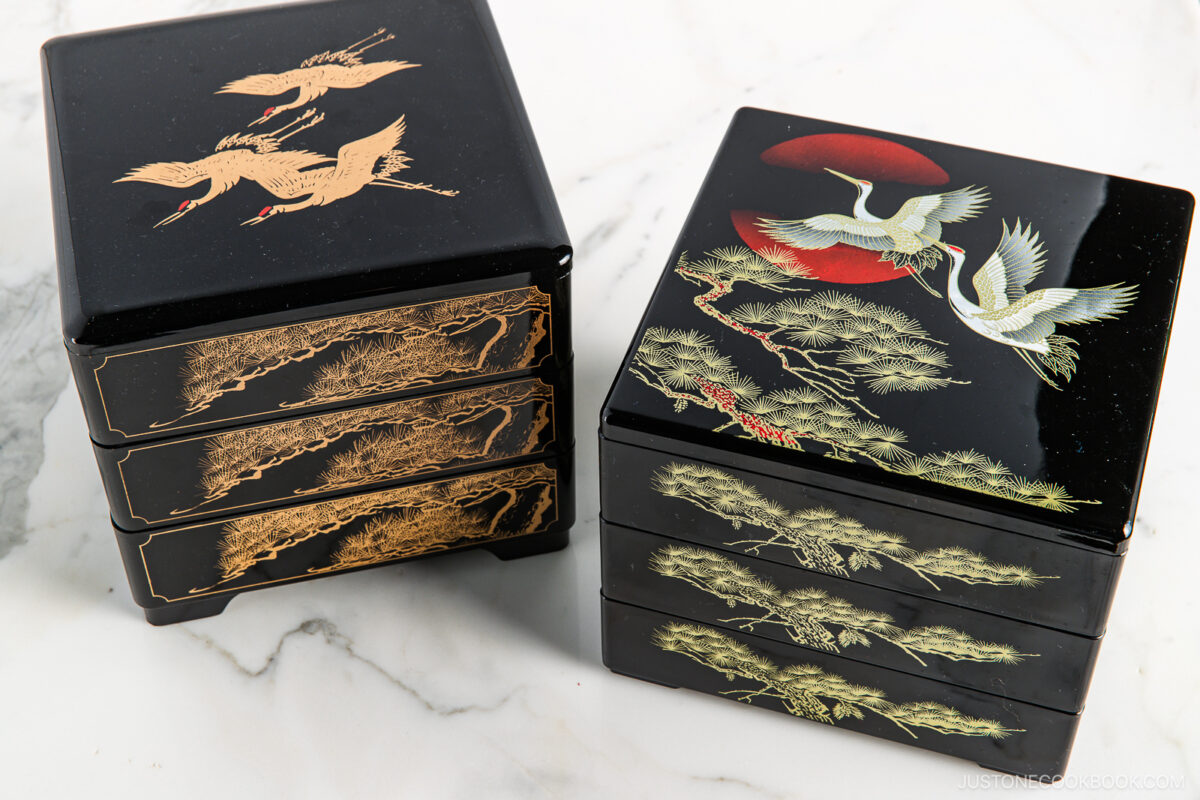
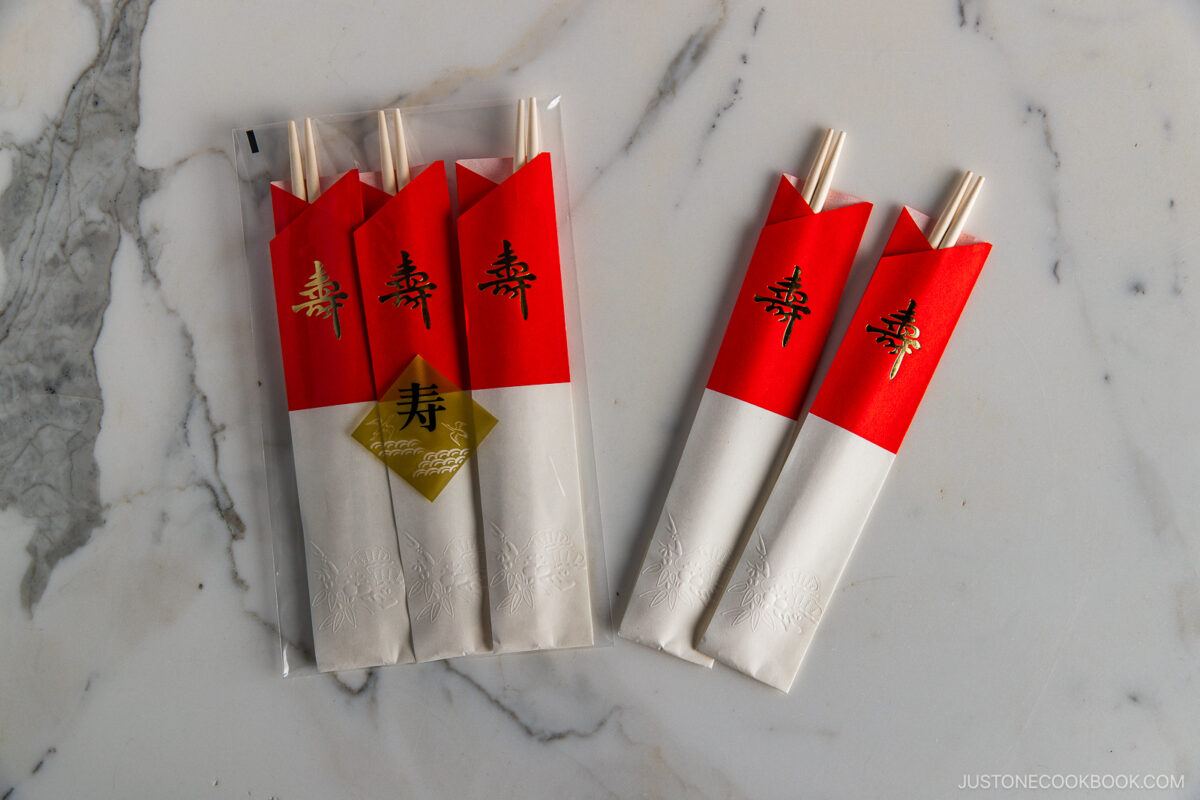
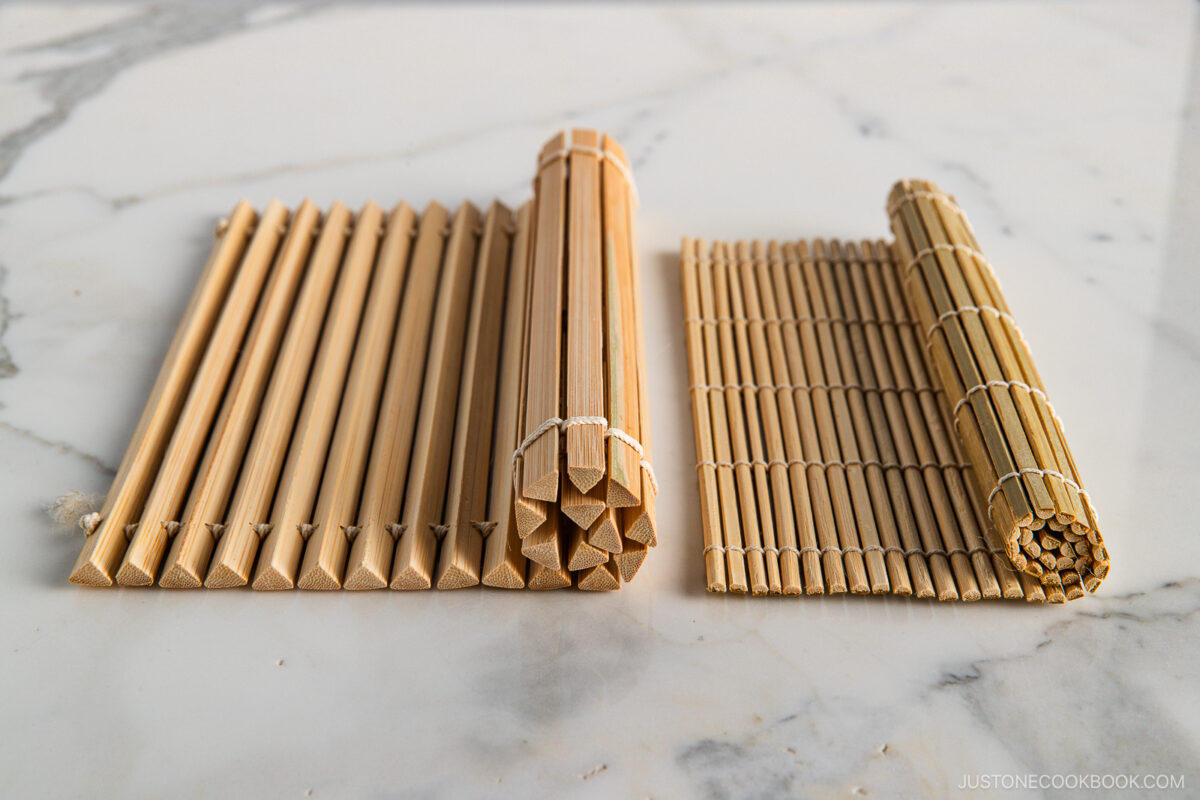
- Check kitchen equipment: Gather osechi boxes (jubako), serving dishes, cutlery, pots and pans, storage containers—tools you’ll need for cooking and serving.
- Organize the pantry and check ingredients: See what dry goods, condiments, and garnish leaves you have and make a list of what to buy.
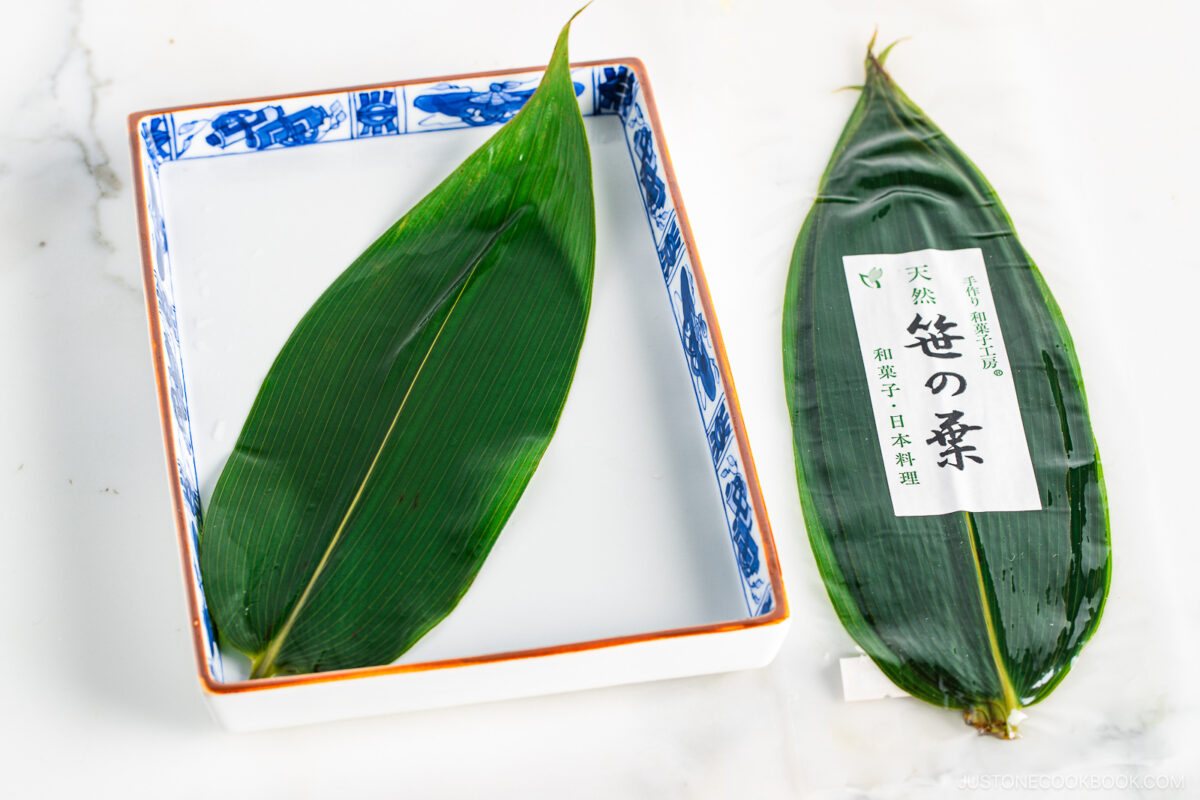
- Purchase osechi box dividers: Bamboo leaves and mini containers are helpful; read my How to Pack Osechi Ryori post to learn why.
- Order any missing items early, as holiday shipping can be slow.
Dec. 18th (2 Weeks Before)
Finalize your menu
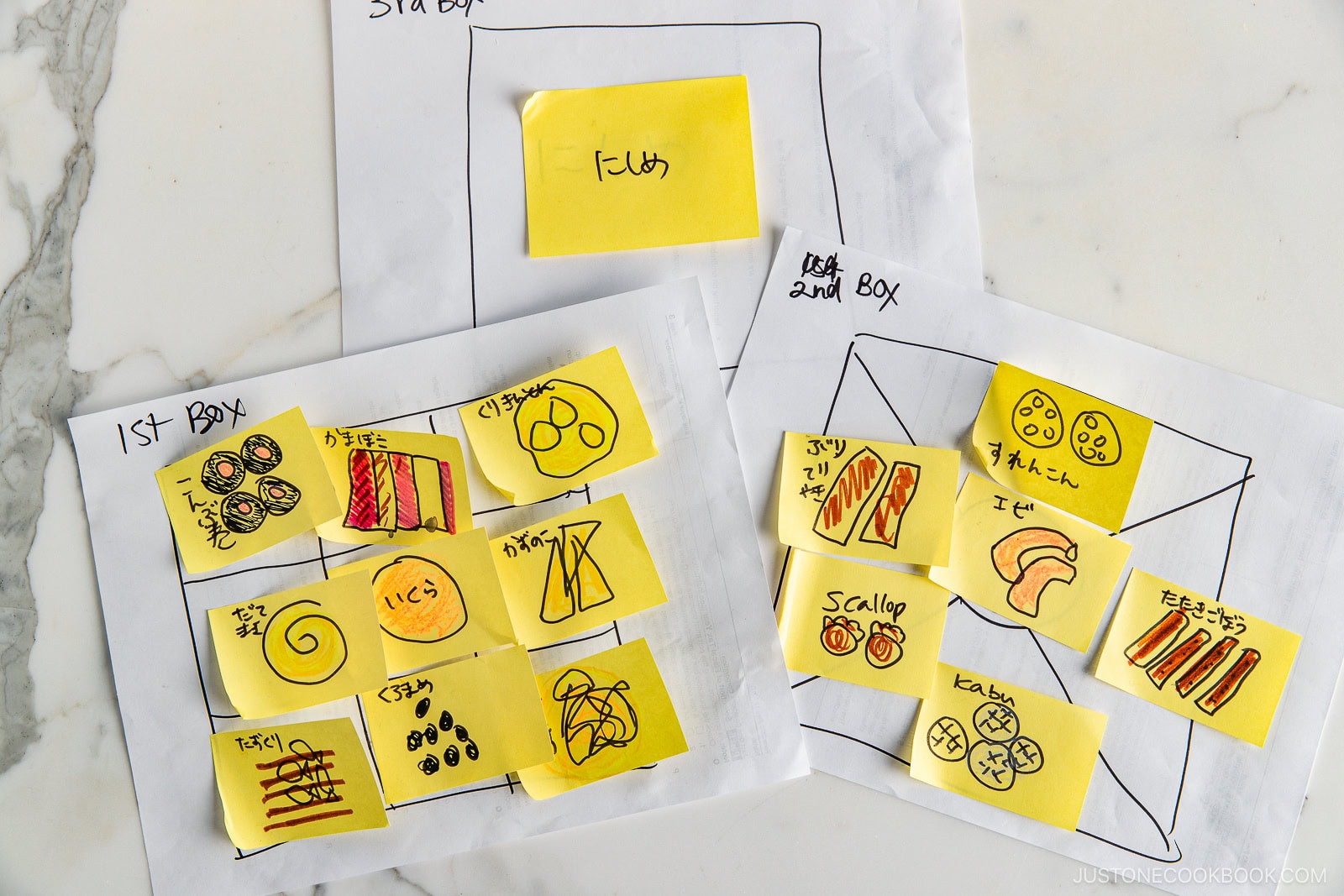
- Plan your layout: Use sticky notes to mark what dish goes where in the jubako. This simplifies food packing on New Year’s Day.
- Print or bookmark the recipes: Read through the steps and note the ingredients and equipment you will need.
Shopping trip #1
Don’t wait till the last minute, as they may sell out!
- Purchase condiments:
- soy sauce, sake, mirin, rice vinegar, sugar, salt
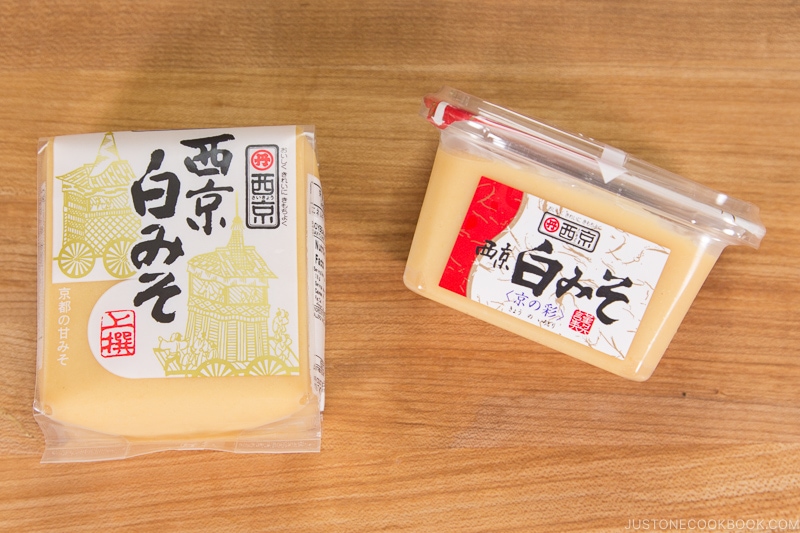
- saikyo miso (for Kansai-style ozoni)
- Purchase dry ingredients:
- katsuobushi and kombu, or dashi packets, for dashi (Japanese soup stock)
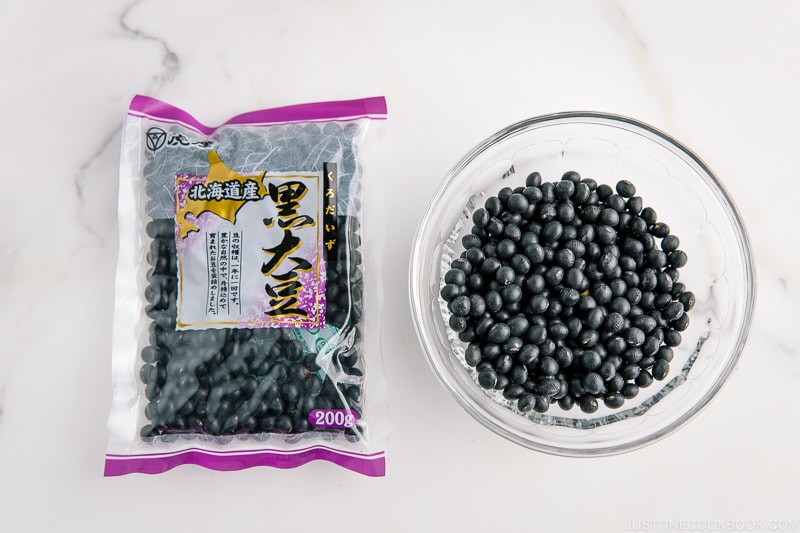
- black soybeans (kuromame) for sweet black bean/soybeans
- Hidaka kombu and dried gourd strips (kanpyo) for salmon kombu rolls
- dried shiitake mushrooms for simmered chicken & vegetables
- dried sardines/anchovies (niboshi) for candied sardines
- white sesame seeds for pounded burdock root
- dried red chili peppers for pickled chrysanthemum turnip and pickled lotus root
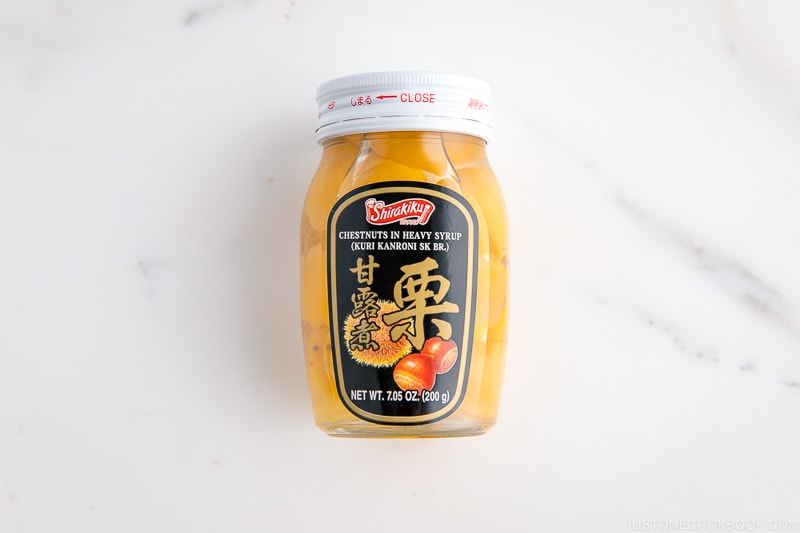
- chestnuts in heavy syrup (kuri kanroni) for candied chestnuts & sweet potatoes
- Buy ingredients for accompaniment dishes (optional):
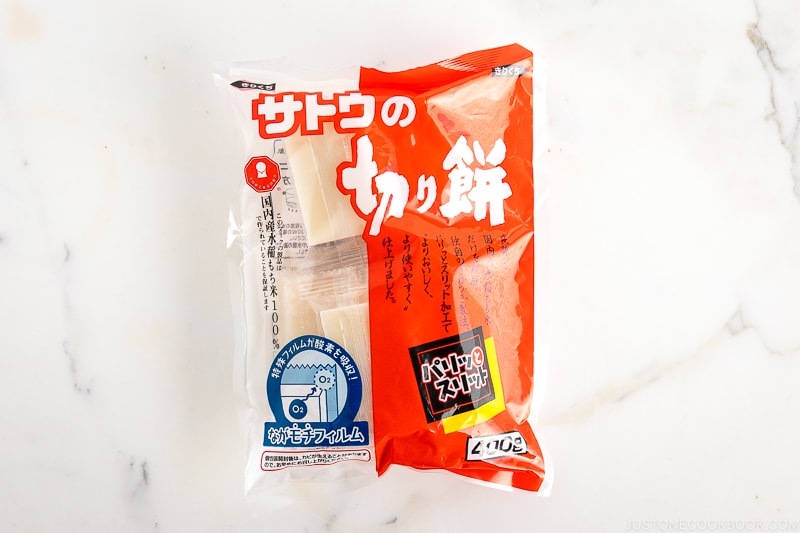
- mochi (rice cake) for ozoni and zenzai
- soybean flour (kinako) if you’re making Japanese rice cake; see How to Enjoy Mochi in three popular flavors
- soba noodles to make toshikoshi soba for New Year’s Eve
- azuki beans for sweet red bean paste (anko) if you’re making Zenzai (sweet red bean soup with mochi)
Dec. 27th (5 Days Before)
Clean the house
- Clean the house: Clean the entry, living room, and bathrooms.
- Make room in the fridge for groceries, prepared dishes, and packed boxes.
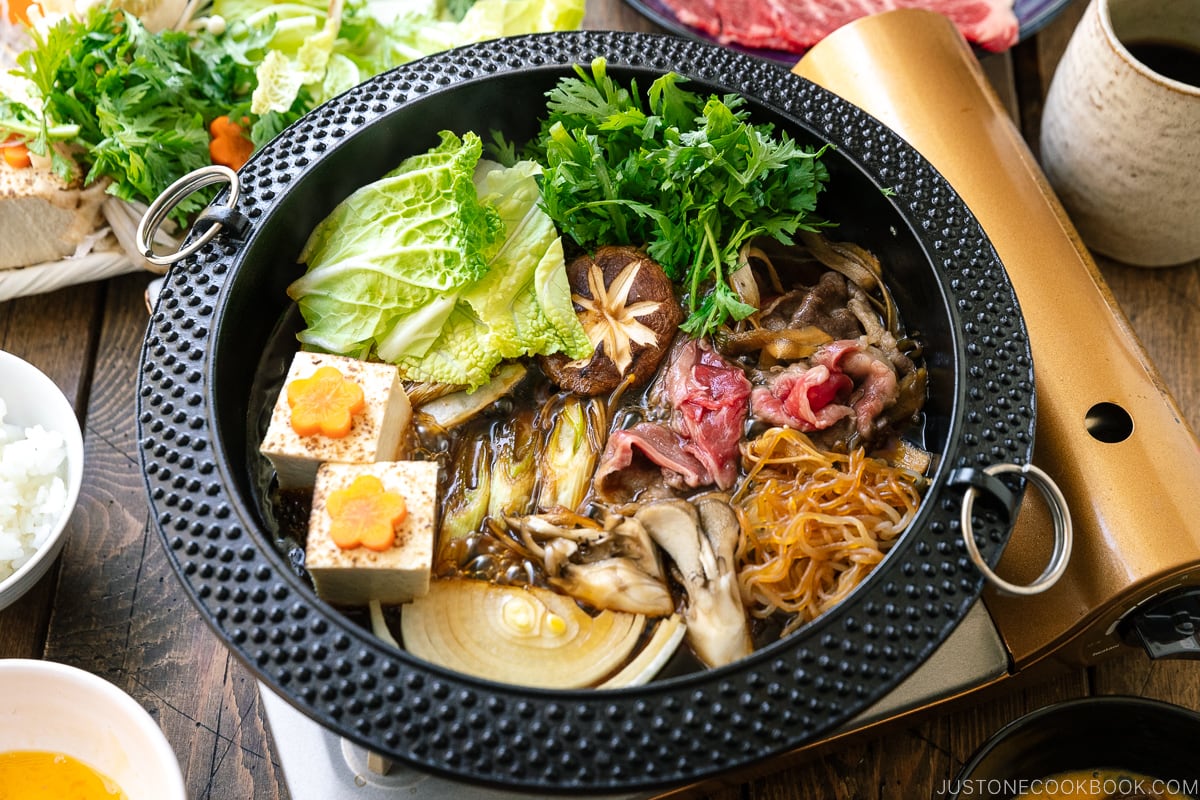
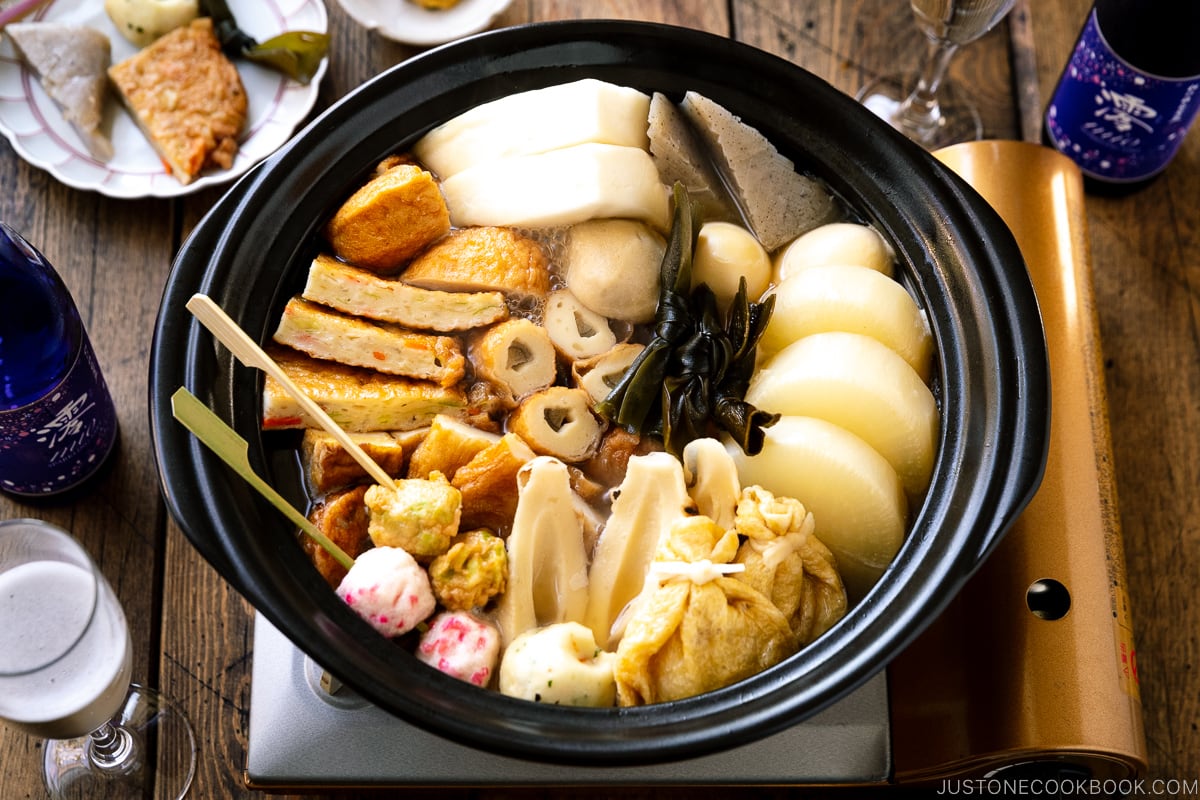
- Plan out your meals through December 31st: I make easy hot pots (Sukiyaki, Shabu Shabu, and Oden) for dinner and udon noodles for lunch.
Shopping trip #2
- Stock up on regular groceries:
- eggs (set aside some for sweet rolled omelette)
- milk, bread, salad, and fruit for the week.
- Buy alcoholic and non-alcoholic beverages
- Buy root vegetables for osechi: These items last longer, so purchase them early:
- Japanese sweet potato (Satsumaimo) for candied chestnuts & sweet potatoes
- carrots for daikon and carrot salad and simmered chicken & vegetables
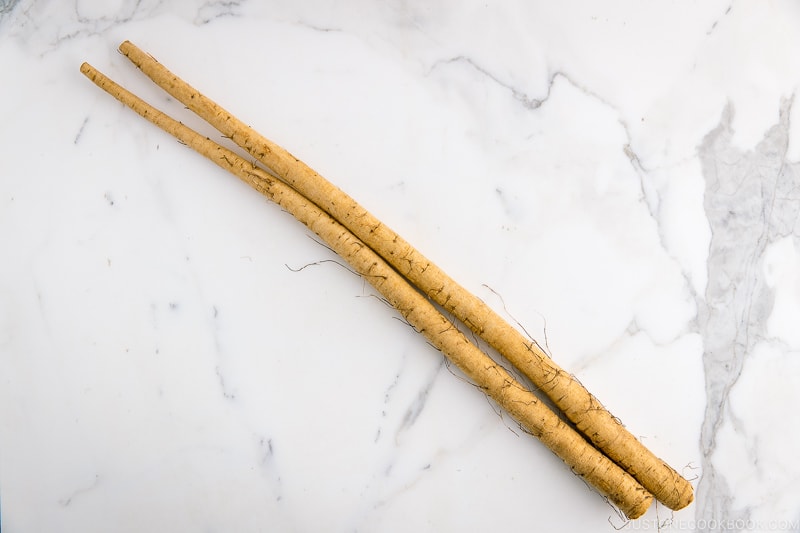
- gobo (burdock root) for pounded burdock root and simmered chicken & vegetables
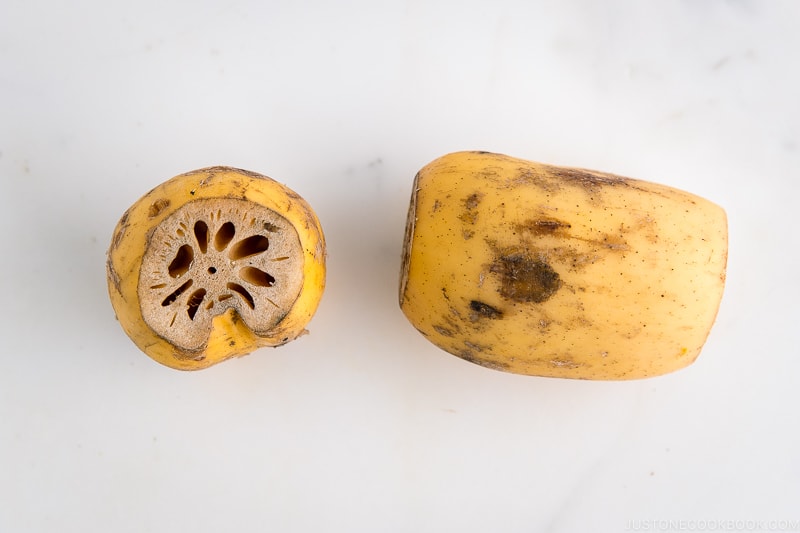
- lotus root (renkon) for pickled lotus root
- satoimo (Japanese taro) for simmered chicken & vegetables
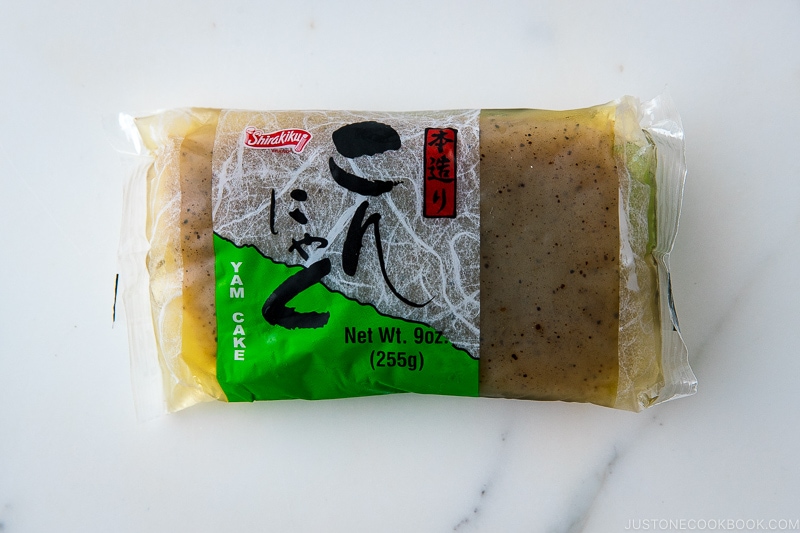
- konnyaku (konjac) for simmered chicken & vegetables
- daikon (Japanese radish) for daikon & carrot salad
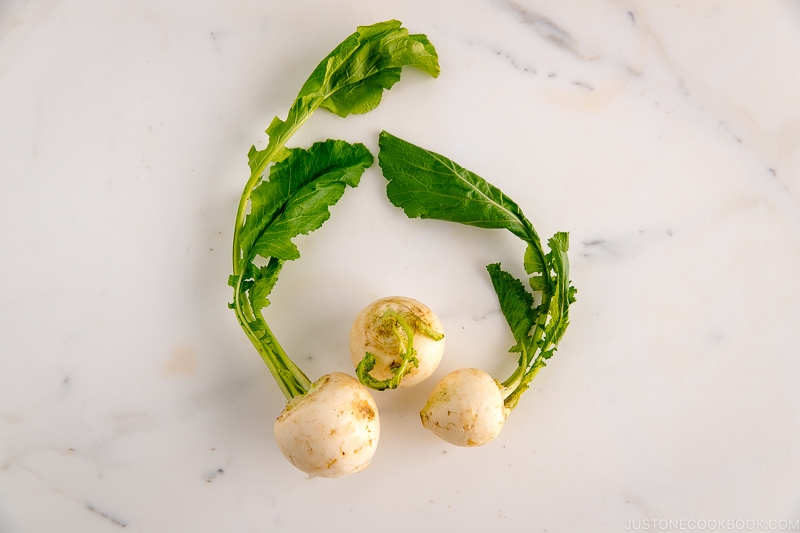
- Japanese turnips (kabu) for pickled chrysanthemum turnip.
- Tip: Cut off the leaves of daikon and turnips to prevent them from drying out.
5-Day Osechi Cooking Timeline
Here is your 5-day osechi cooking countdown starting 4 days before the Japanese New Year (JNY) and ending on the big day!
In Japan, most families pack the osechi into the jubako on the 31st and keep it in the refrigerator overnight. On New Year’s Day, you simply bring it to room temperature and enjoy—no cooking needed.
However, with my 5-Day Osechi Cooking Plan, you’ll have about 3 hours of cooking and packing to do on January 1. I personally like to grill or reheat a few dishes on New Year’s Day, then let them cool before packing for the best flavor. Please feel free to adjust the steps to suit your own routine.
Dec. 28th (4 Days Before JNY)
Cooking day 1 + continue cleaning
- Start cooking!
- Make Candied Sardines: Start with this recipe, as it’s one of the longest lasting among all osechi dishes.
- Make Herring Roe: De-salt, peel, and marinate.
- Clean the house (continued): Clean the dining room and kitchen.
Dec. 29th (3 Days Before)
Shopping trip #3 (final)
- Buy fresh ingredients (final shopping trip #3): Do not buy these fresh proteins and vegetables prior to December 29th.
- black tiger shrimp for simmered shrimp
- yellowtail (hamachi/buri 鰤) for yellowtail teriyaki
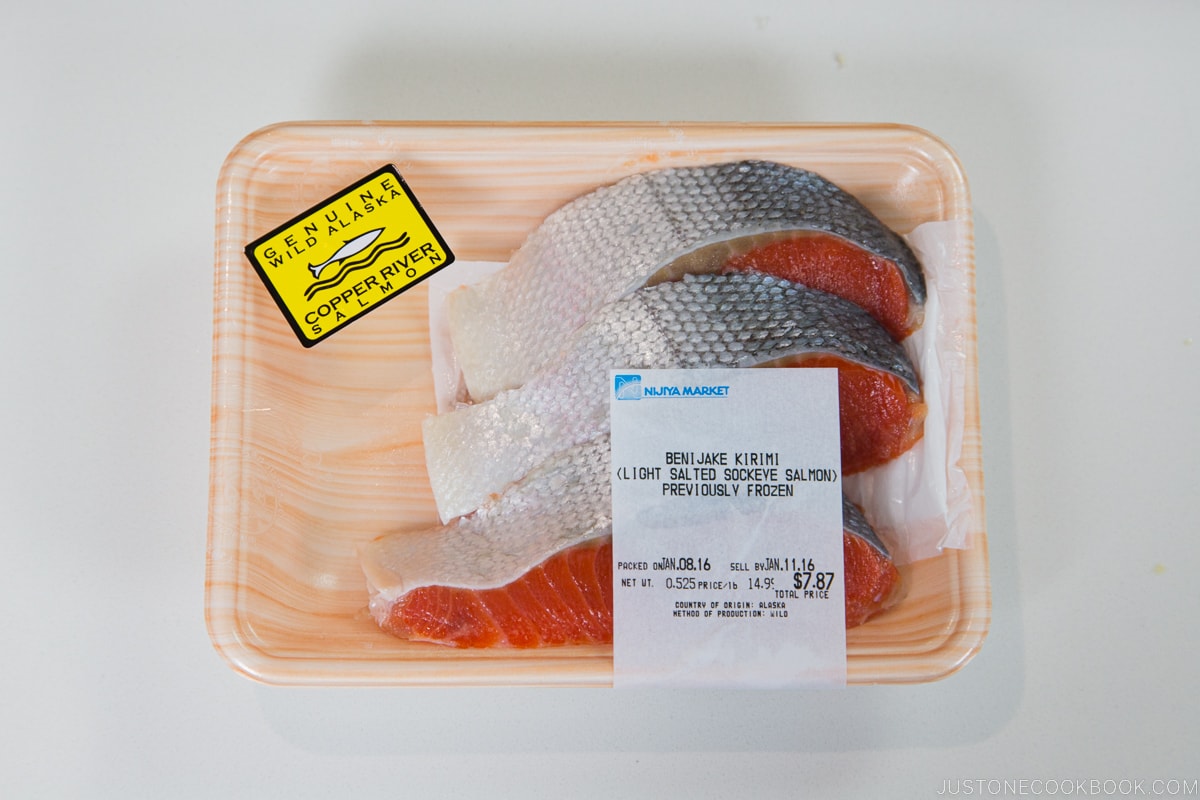
- salted salmon for salmon kombu rolls (or make Salted Salmon the previous week)
- ikura (salmon roe)
- chicken for ozoni and simmered chicken & vegetables
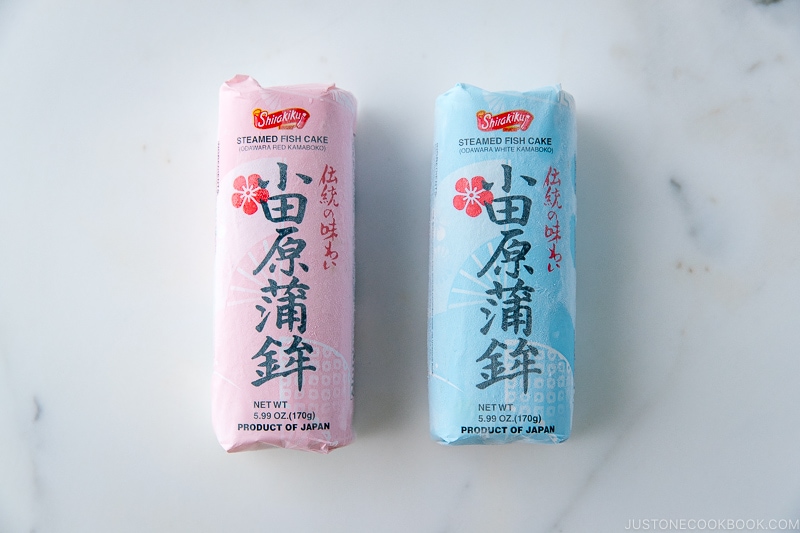
- kamaboko fish cakes (pink and white)
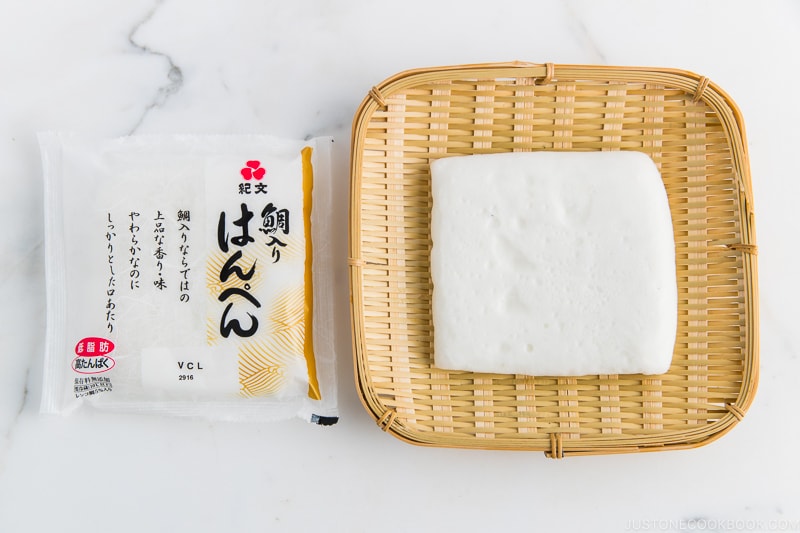
- hanpen fish cake for sweet rolled omelette
- snow peas for simmered chicken & vegetables
- mitsuba (Japanese wild parsley) for ozoni
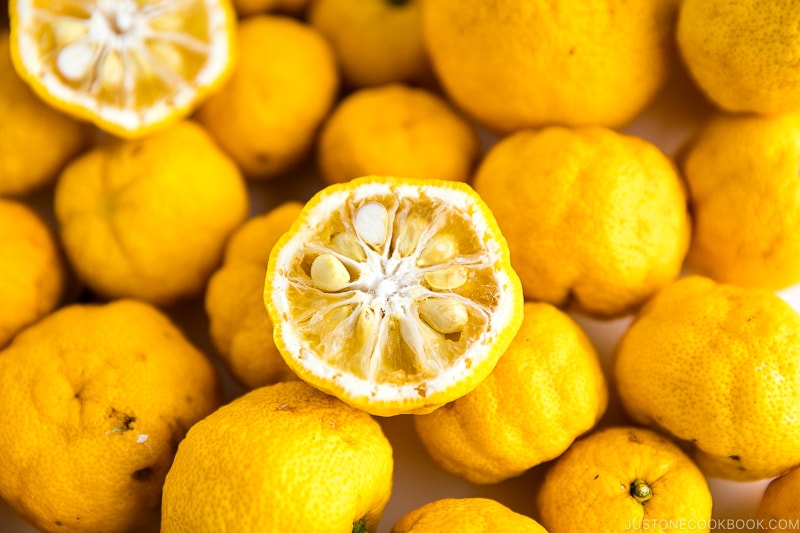
- yuzu for daikon & carrot salad and ozoni
Cooking day 2
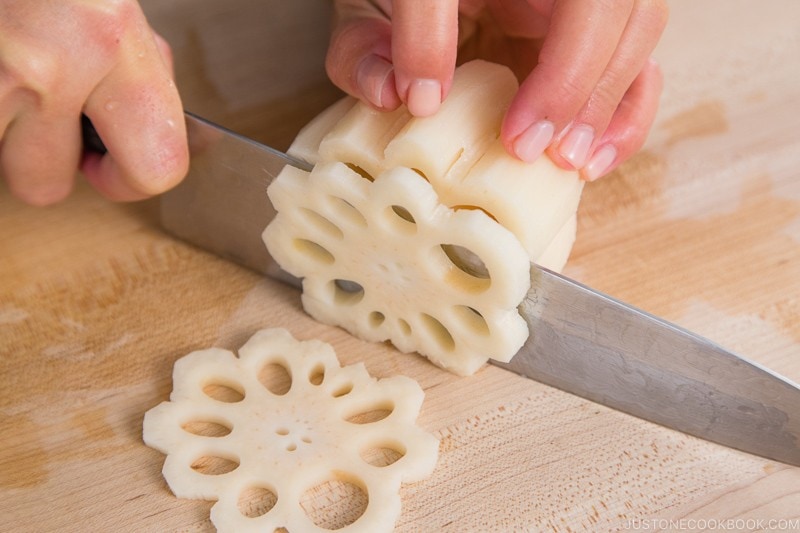
- Work on decorative cuts: Prepare flower-shaped carrots and lotus root and store in the fridge; it’s not necessary but adds a special touch to your dishes.
- Make vinegared dishes: Dishes in vinegar last a long time, so cook them next!
- Pickled Lotus Root
- Pickled Chrysanthemum Turnip
- Pounded Burdock Root with Sesame Sauce, if you have time; or make on December 30th
- Daikon & Carrot Salad, if you have time; or make on December 30th
- Store all dishes: Pack in airtight containers and store in the refrigerator.
- Rehydrate ingredients:
- Soak dried shiitake mushrooms before bed for chikuzenni.
- Soak black soybeans up to 8 hours; soak at midnight and start cooking at 8 am on December 30th.

Dec. 30th (2 Days Before)
Cooking day 3
- Prepare good dashi to use for simmered dishes and ozoni; see how to make dashi
- Make more vinegared dishes:
- Cook simmered dishes:
- Sweet Black Soybeans (takes 4 hours to cook!)
- Simmered Chicken and Vegetables or Instant Pot Nishime
- Make Sweet Rolled Omelette
- Cook Candied Chestnut and Sweet Potatoes
- Store all dishes: Pack in airtight containers and keep in the refrigerator.
Dec. 31st (1 Day Before)
Cooking day 4
- Cook more simmered dishes:
- Simmered Shrimp (Ebi no Umani)
- Make grilled dishes (or make the next morning):
- Prep ozoni:
- Kanto-style (Tokyo area), or
- Kansai-style (Kyoto area)—add Saikyo miso before serving
- Cut the kamaboko: Cut the decorative fish cake and sweet omelette.
- Store all dishes: Pack in airtight containers and keep in the refrigerator.
- Make Toshikoshi Soba: Don’t forget to eat soba noodles today on New Year’s Eve!
Before going to bed…
- Set the table: Set up plates, chopsticks, glasses, sake cups, etc.
- Chill your drinks: Make sure there’s enough ice in the freezer.
January 1st (Oshogatsu)
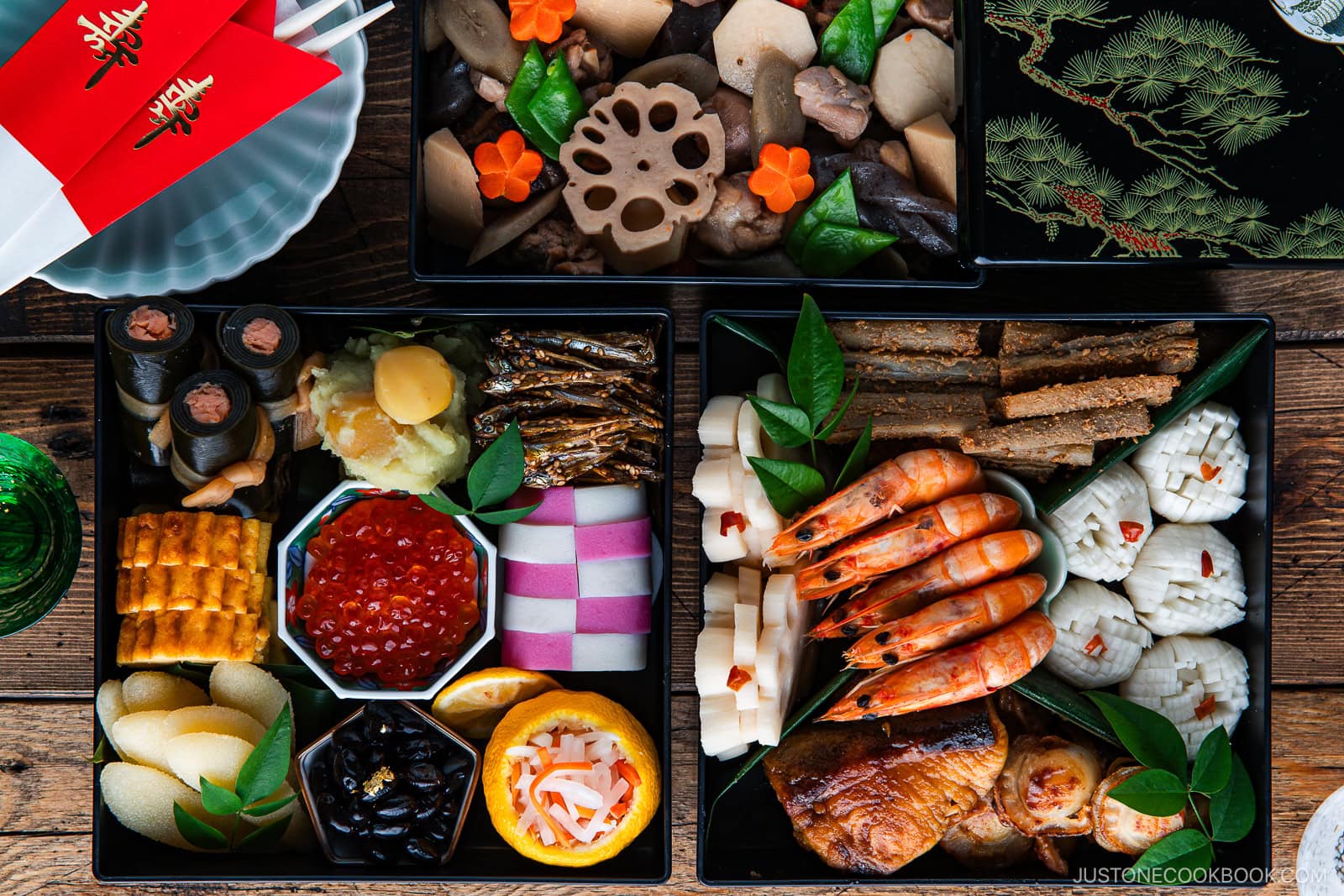
Cooking day 5 (2.5–3 hours)
- Grill: If you didn’t make it yesterday, cook Yellowtail Teriyaki and Butter Soy Sauce Scallops and cool to room temp (hot food can damage lacquerware and create condensation, which lead to spoilage).
- Bring food to room temp: If you do not want to eat cold food, take out the dishes from the refrigerator about 30 minutes prior to packing. By the time you enjoy the dishes, they should be room temp.
- Pack in osechi boxes: See my step-by-step guide on How to Pack Osechi Ryori in jubako.
- Prepare the mochi: Toast mochi and season.
- Finish the ozoni: Reheat and then add miso (for Kansai-style) and mochi.
- Prepare the drinks: Heat up sake and prepare other beverages.
- Clean up the kitchen: If you have time or a helpful guest, clear the sink and run the dishwasher.
Your Essential 5-Part Guides to Japanese New Year
- Ultimate Guide to Osechi Ryori (Japanese New Year’s Food)
- Traditional Osechi Ryori Recipes for Your Japanese New Year Feast
- Osechi Cooking Timeline
- How to Pack Osechi Ryori in 3-Tier Boxes
- What is Japanese New Year – Oshogatsu?
Now you have a detailed cooking timeline and the best tips for osechi cooking! Friendly reminder: Don’t be shy to enlist help from your family members, friends, and kids.
I’m wishing you all the best as you prepare the most meaningful meal of the year.
If you have any questions at all, please leave a message in the comments below. We’re here to help you!
Editor’s Note: This post was originally published on December 17, 2019, and was republished with more helpful information on December 8, 2025.